
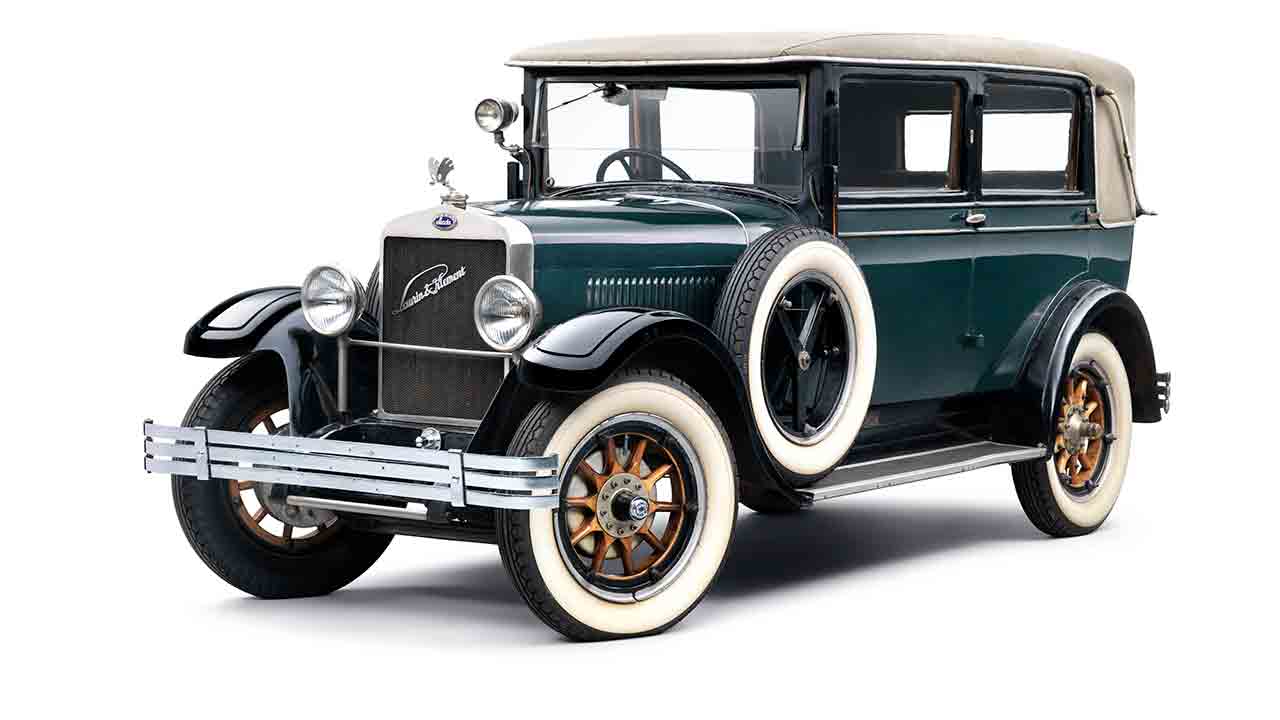
Exactly one hundred years ago, in September 1925, the car manufacturer Laurin & Klement (L&K) from Mladá Boleslav merged with the industrial group Škoda from Plzeň.
+ Russia seeks to repurchase S-400 systems sold to Turkey amid shortages
The merger marked a turning point in the history of the Czechoslovak automotive industry, triggering a period of rapid growth and modernization that shaped the future of Škoda Auto.
The strategic partnership secured significant investments in development, manufacturing, and distribution, introduced assembly line production, brought cutting-edge technologies, and strengthened the brand’s position in both the domestic and international markets.
“The philosophy of innovation, precision, and passion for mobility from Laurin & Klement remains part of Škoda Auto’s DNA,” the company highlighted while celebrating the centenary.
From hardship to consolidation
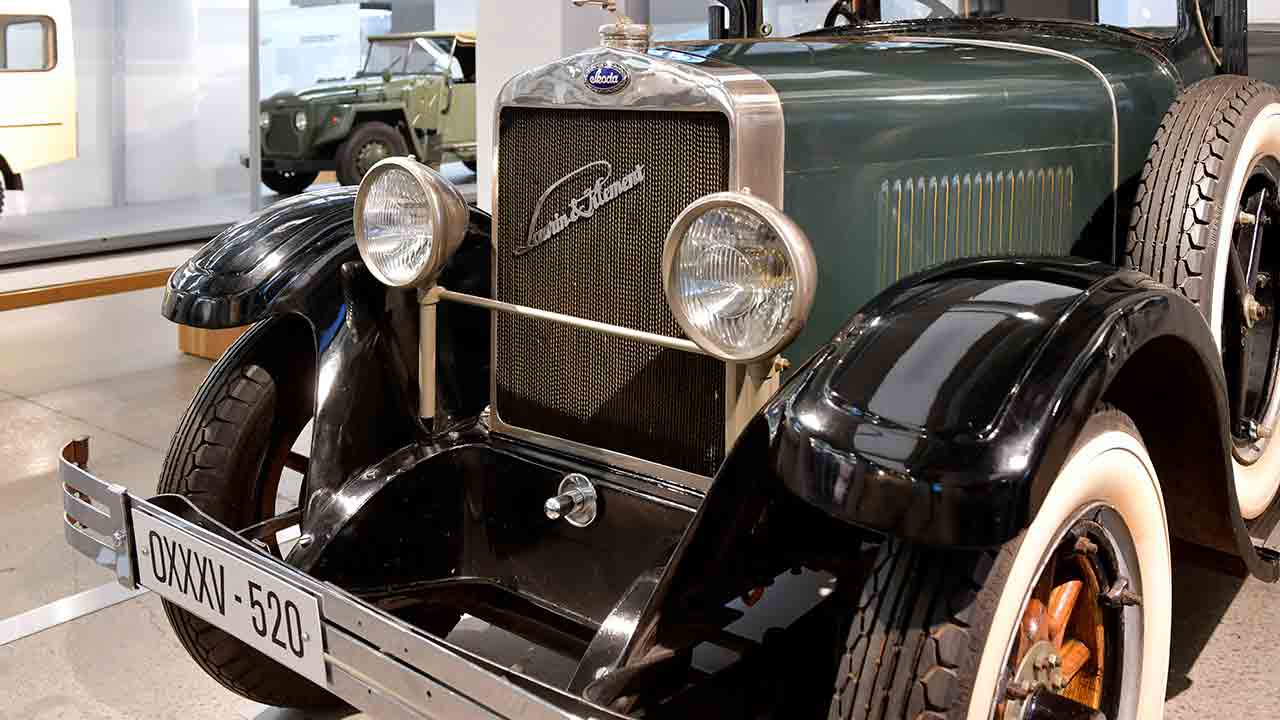
Founded in 1895 by Václav Laurin and Václav Klement, L&K faced major challenges after the First World War, compounded by a devastating fire in 1924 that struck its factory in Mladá Boleslav. The search for a strategic partner culminated in the merger with Škoda Plzeň, at the time an industrial giant with more than 30,000 employees, while L&K had just over a thousand.
The decision was approved at general meetings in July 1925, with shares exchanged at a ratio of 2:1 (L&K/Škoda). On 12 September 1925, the Ministry of the Interior officially authorized the merger. Although L&K was formally removed from the Commercial Register in December of the same year, its Art Nouveau logo continued to appear alongside the Škoda name on the first models.
The link between the factories in Mladá Boleslav and headquarters in Plzeň lasted until nationalization in 1945, which separated the operations.
Laurin & Klement as a symbol of prestige
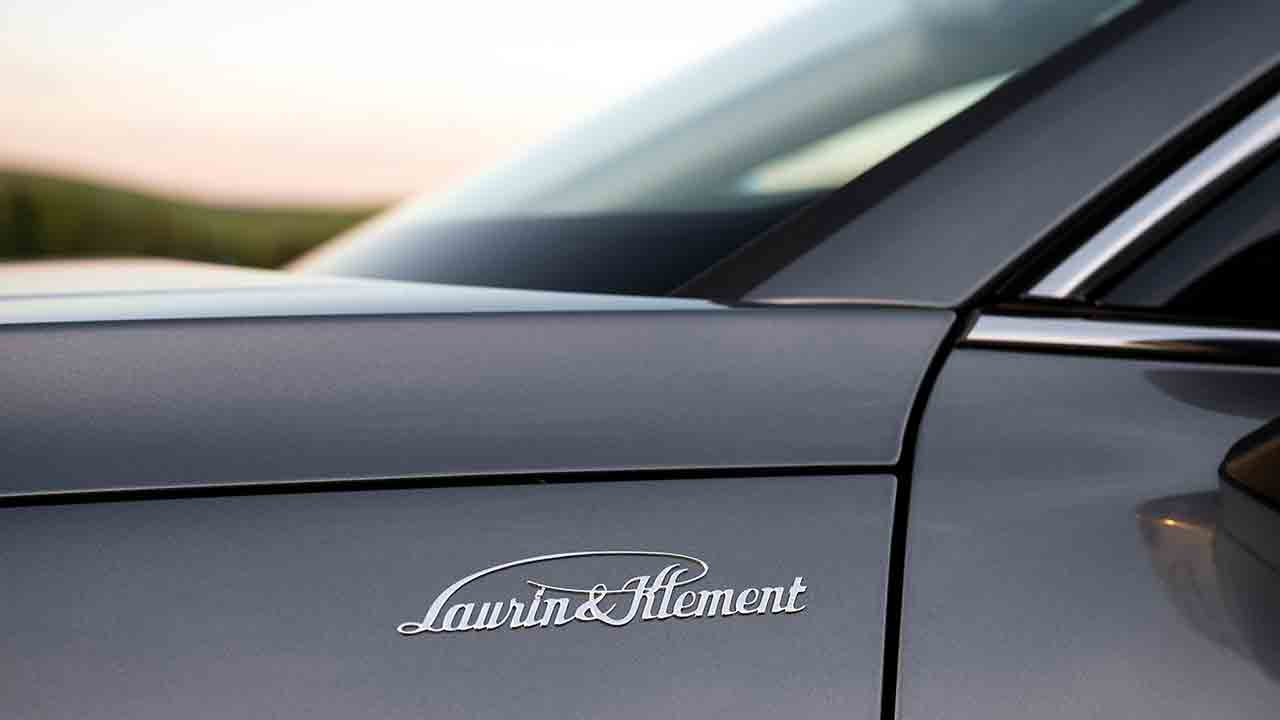
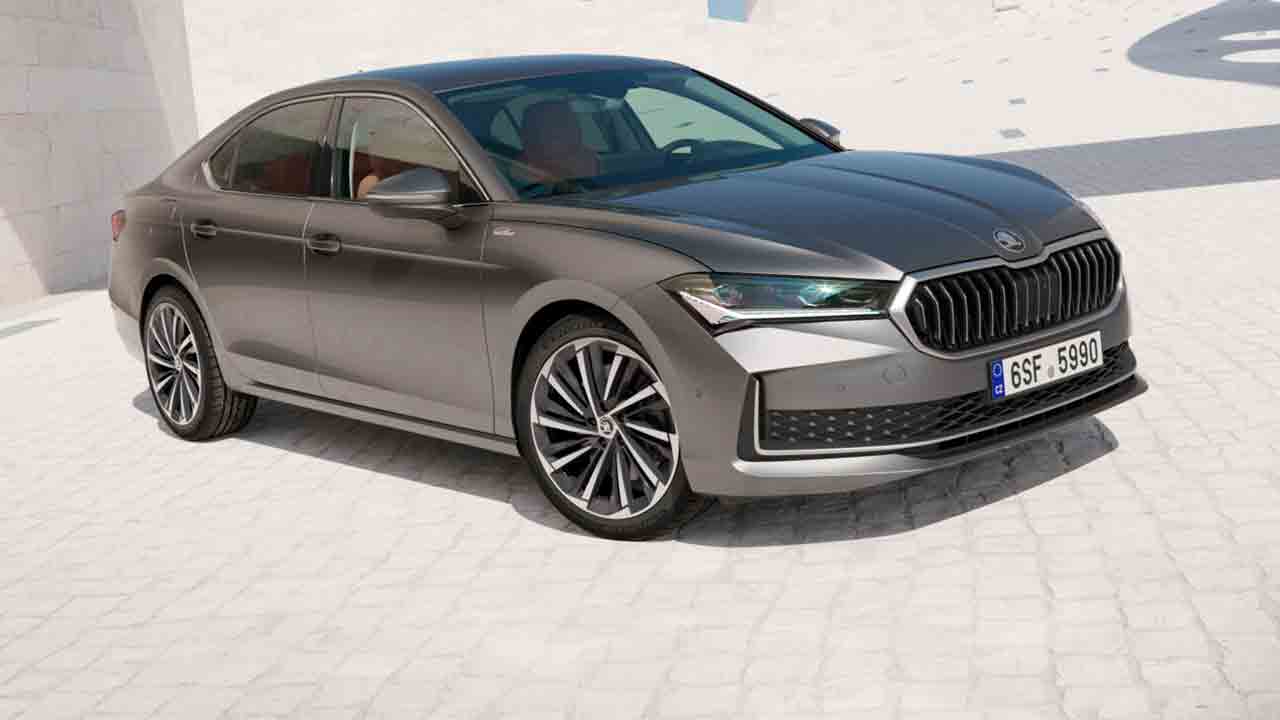
Since 1995, the Laurin & Klement designation has once again been used as a synonym for luxury and premium trim in the brand’s vehicles, first debuting on the Škoda Felicia Laurin & Klement. Today, the “L&K” badge identifies the highest trim levels in Škoda models, with exclusive finishes, cutting-edge technology, and attention to detail.
The legacy of L&K is also reflected in contemporary design and the success of Škoda Motorsport, whose history dates back to races in 1901. The recently inaugurated Laurin & Klement Campus, an administrative complex, further underlines the importance of the historic name in the company’s present.
A century of growth
The numbers illustrate the transformation:
In 1925, about 1,800 employees produced 833 cars.
In 1991, already under the control of the Volkswagen Group, 16,974 employees built 172,074 vehicles.
In 2024, Škoda, with a global workforce of 40,000 people, delivered 926,000 vehicles to customers worldwide.
To mark the centenary, students from the Škoda Auto Vocational School created the L&K 130, a project that transformed the Škoda Superb Estate into an escort vehicle for cycling races, blending tradition with innovation.
Škoda’s integration into the Volkswagen Group in 1991 began a new era of modernization, innovation, and global expansion. Today, Škoda Auto is recognized as one of Europe’s most important car manufacturers, with a strong presence in dozens of markets and a portfolio that combines efficiency, technology, and design inspired by its rich heritage.
Source and images: Škoda. This content was created with the help of AI and reviewed by the editorial team.
