
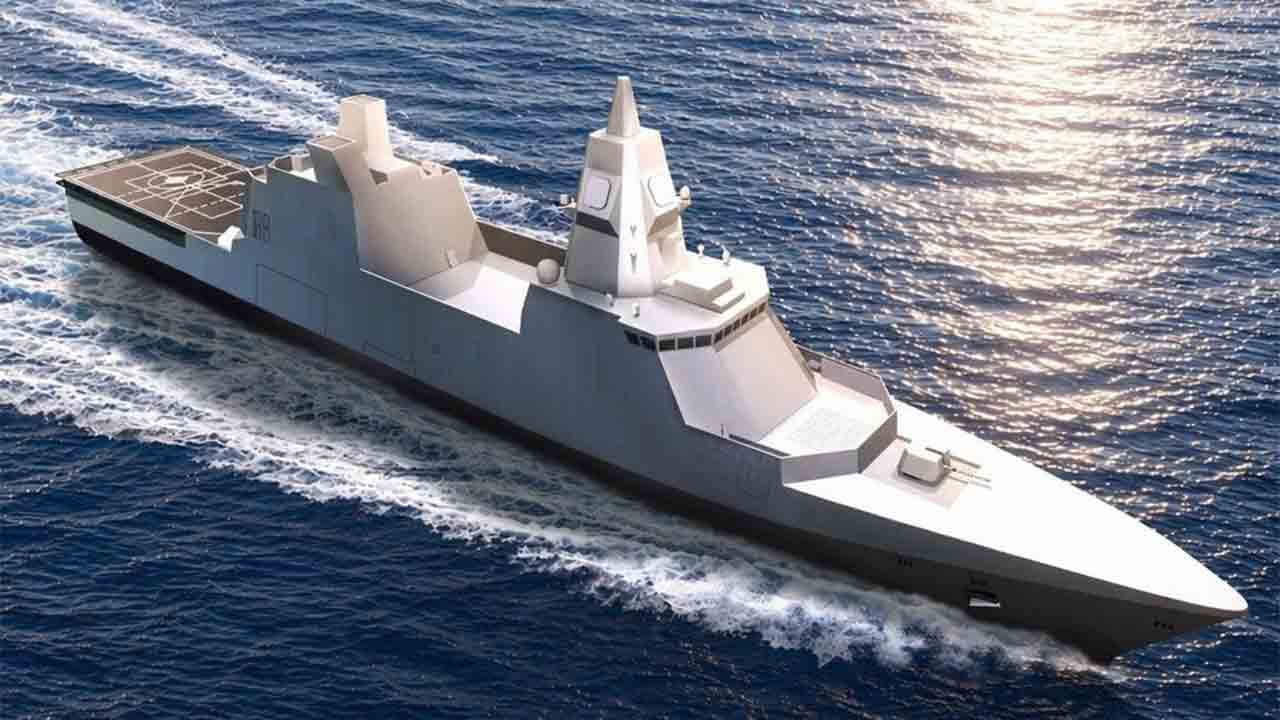
Penguin Shipyard International has completed construction of the largest composite structure ever produced for a vessel in Singapore and delivered the first of six units to Saab.
The component will be integrated into the MRCV warship, a new class for the Republic of Singapore Navy developed to replace the Victory-class corvettes and serve as a command platform for unmanned systems. The first vessels are expected to enter service beginning in 2028.
Made from carbon fiber, the forward superstructure and integrated mast were manufactured using panels developed by Saab in Sweden and assembled by Penguin in Singapore before being integrated with the steel hull built by ST Engineering. The MRCV will measure 150 meters in length, have a displacement of up to 8,400 tons, and become the largest and most complex military vessel ever built by the country.

In addition to reducing the weight of the upper structure by about half, the use of composite materials improves the vessel’s stability, increases its capacity for future upgrades, and reduces its radar signature, making the ship more difficult to detect. The project also marks Penguin’s debut in composite structure manufacturing and naval defense programs, expanding its operations beyond commercial aluminum vessels.
The MRCV program is considered one of the most significant ongoing naval investments in the Indo-Pacific region. The ships will have a range of more than 13,000 kilometers and be capable of operating continuously at sea for more than 21 days. They will also be able to carry mission modules and control aerial drones, unmanned surface vessels, and unmanned underwater vehicles. Meanwhile, construction of the remaining ships in the class continues, with the first deliveries scheduled for 2028.
+ 2027 Chevrolet Corvette Stingray revealed with a top speed of 322 km/h
Source: Defence Blog | Photo: LinkedIn – Republic of Singapore Navy | This content was created with the help of AI and reviewed by the editorial team.
