
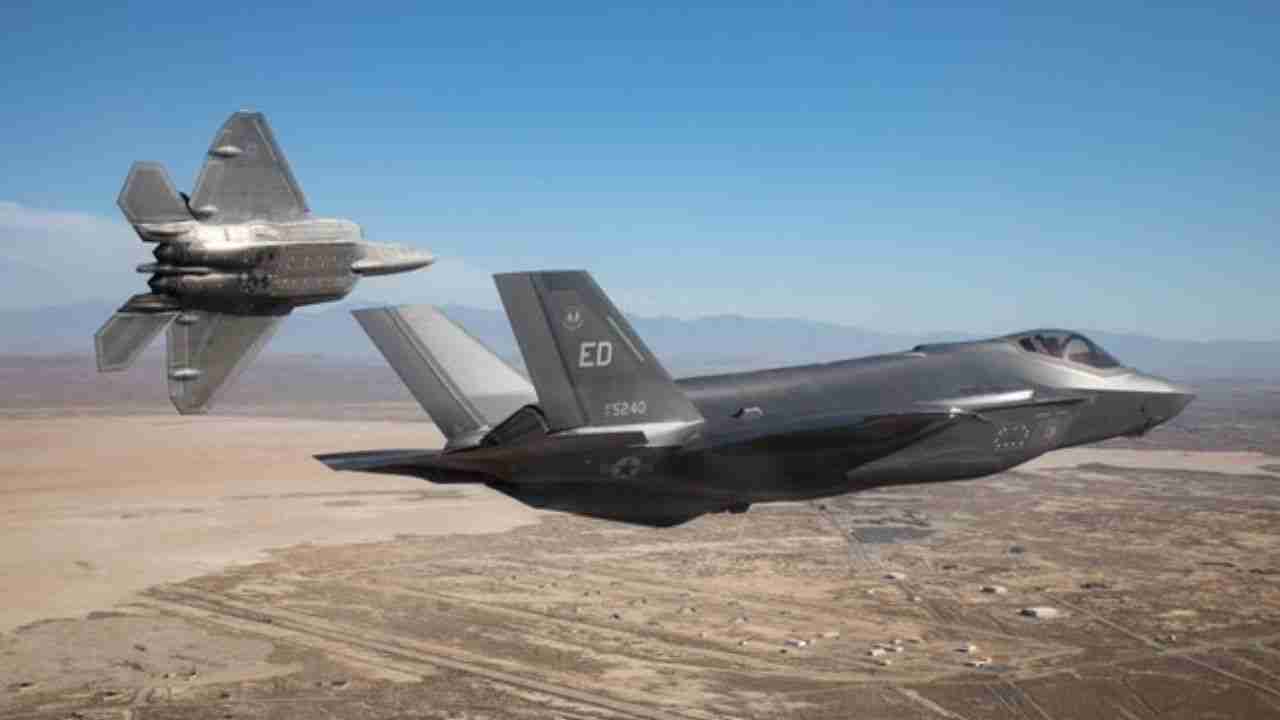
President Donald Trump stated that the United States has approved the sale of F-35A Lightning II stealth fighters to Saudi Arabia, signaling progress in relations between Washington and Riyadh.
The statement was made during a speech at an investment event held in Miami on March 28, 2026. According to Trump, it would be the first time the Gulf country would gain access to one of the most advanced combat aircraft ever built.
The potential deal, however, has been under discussion since 2025, when U.S. officials evaluated the sale of up to 48 F-35 units.
The agreement would still need to go through formal approval stages, including bodies such as the U.S. Congress and the Department of Defense. In addition, complex diplomatic issues remain unresolved, such as the impact of the move on Israel, which has historically maintained a qualitative military edge in the region, and the implications for the ongoing tensions with Iran.
On the geopolitical front, the fighter jet sale is part of a broader military cooperation strategy with Saudi Arabia, estimated at over $140 billion.
The initiative also aims to counter China’s growing influence in the Middle East. Even so, analysts note that Riyadh maintains a balanced foreign policy, preserving relations with both Washington and Beijing, which reduces the immediate impact of the move.
If finalized, the Saudi Air Force is expected to use the F-35s to replace older Panavia Tornado IDS fighters, significantly boosting its military capabilities. Although Saudi versions would not reach the same level of customization as Israeli models, the technological leap would be substantial. The development comes amid escalating tensions in the region, with missile and drone attacks attributed to Iran, suggesting that the conflict may continue and require increasingly advanced military capabilities.
Source: The Aviationist | Photo: X @usairforce | This content was created with the help of AI and reviewed by the editorial team
Trump:
We agreed to sell the F-35 to Saudi Arabia. The F-35 is amazing; we sell them very sparingly—we don’t want other people to have them. pic.twitter.com/s8GvBaXn32
— Clash Report (@clashreport) March 27, 2026
הוא אדיר והוא גם בדרך לאיראן 😌
תיעוד מיוחד של מטוסי ה- F-35I בדרכם לתקיפה: pic.twitter.com/EKf9tPFmlm
— Israeli Air Force (@IAFsite) March 15, 2026
