
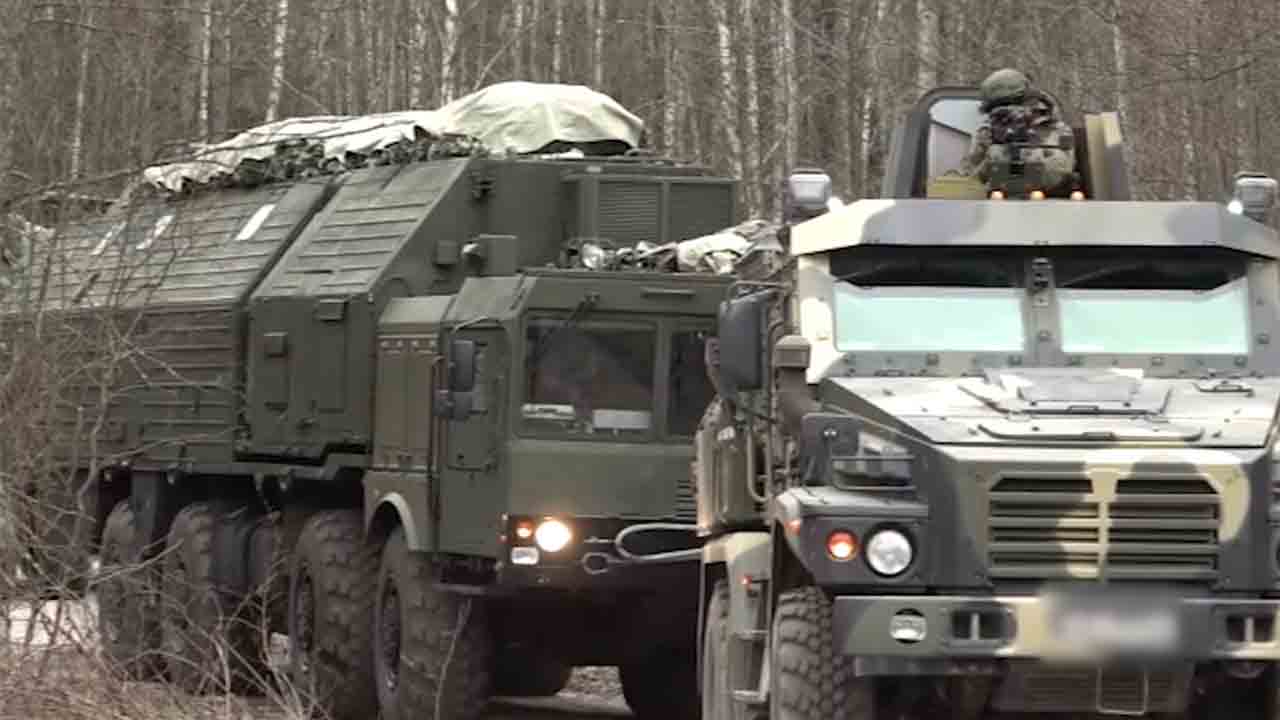
An investigation published by Dallas Analytics suggests that the Oreshnik intermediate-range ballistic missile is experiencing accuracy issues due to the use of components based on Soviet technology developed more than five decades ago.
The main focus of concern is the GU-503 gyroscope, a critical component responsible for assisting the missile’s navigation and guidance during flight.
According to documents analyzed by the company, the manufacturing and calibration of the GU-503 face significant technical limitations. The equipment used to test and adjust the component was developed in the 1970s, and many of its parts are no longer available, making it difficult to restart large-scale production.
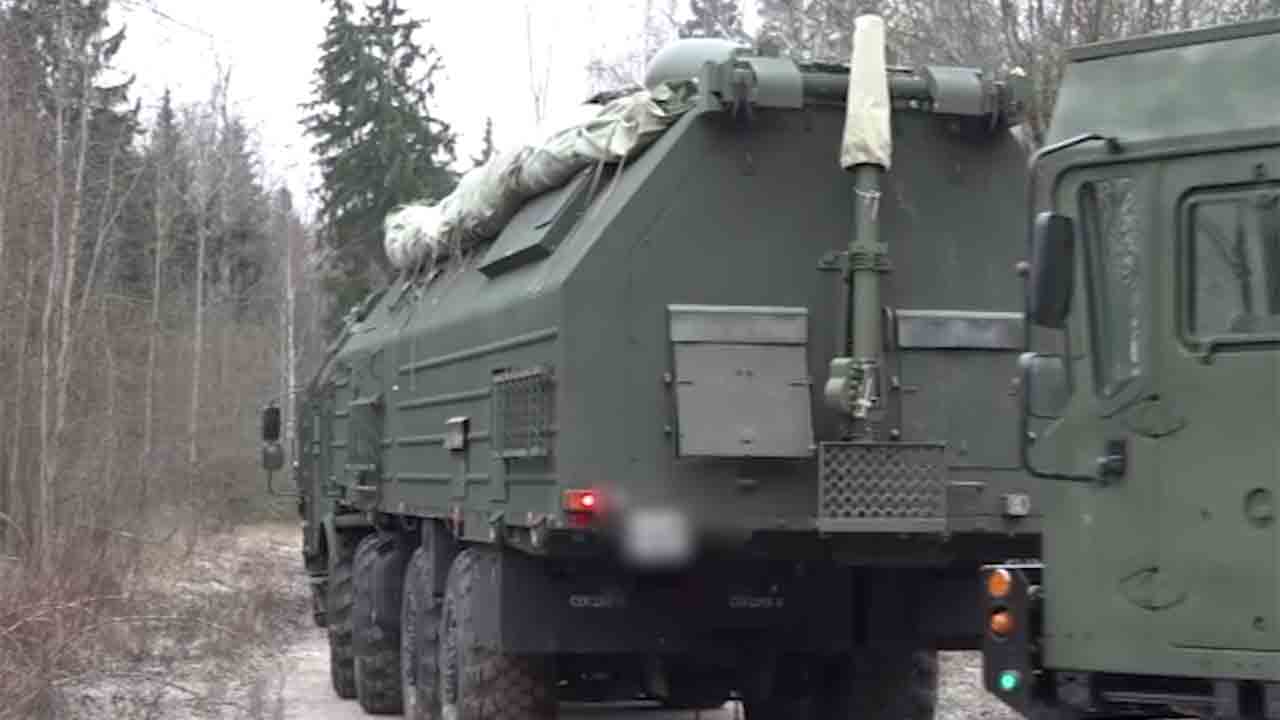
Correspondence between executives at Russian manufacturers reveals that the instrument reportedly does not meet the requirements necessary for high-speed reentry missions. The companies involved also note that serial production of the component was halted years ago, making a broad technological modernization effort necessary to restore manufacturing capabilities.
The investigation further suggests that pressure to meet production schedules may have led some companies to reduce quality-control procedures. Analysts believe these shortcomings help explain incidents in which Oreshnik missiles failed to reach their intended targets in Ukraine. In addition, analysis of missile debris revealed the use of Russian and Belarusian electronic components, including parts manufactured before 2017.
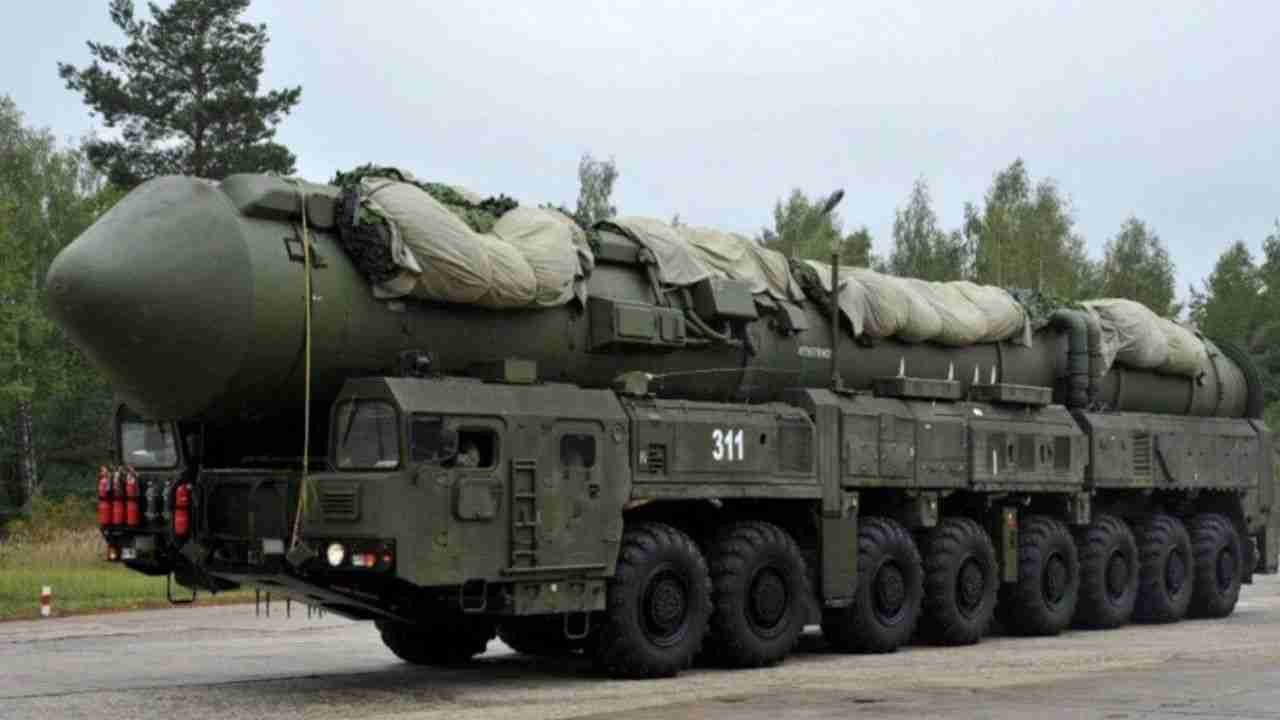
+ Ukraine unveils armored vehicle designed to withstand mines and FPV drone attacks
Source: Dallas Analytics | Photos: Russian Ministry of Defense | This content was created with the assistance of AI and reviewed by the editorial team
