
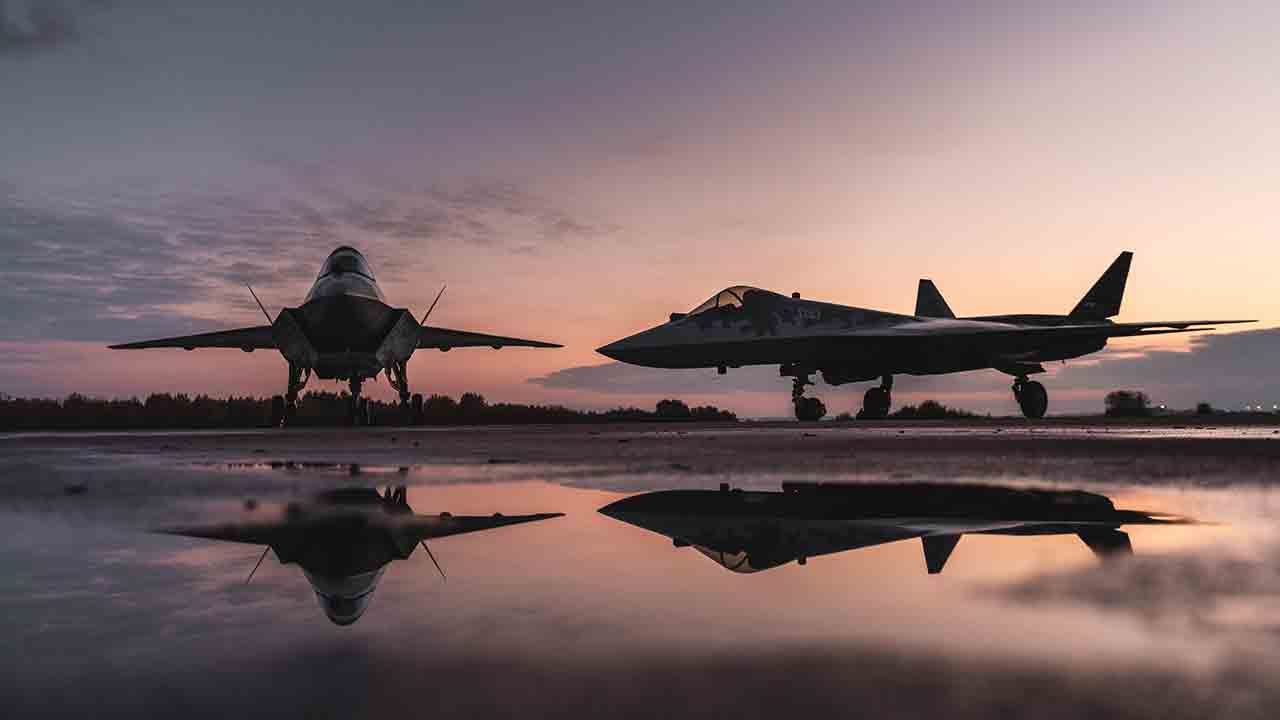
The long-awaited Su-75 Checkmate has returned to the spotlight after Russia announced the start of construction of its first flying prototype.
Developed by UAC, the fifth-generation stealth fighter was designed to offer a more affordable alternative to Western models, especially the F-35, relying on a significantly lower cost to attract international customers.
According to information released by the Russian aviation industry, the aircraft will feature a single engine, will be able to reach speeds close to Mach 2, and will have a range of up to 2,900 kilometers. The project also includes the ability to carry up to 7.4 tons of weapons, as well as internal compartments designed to preserve its stealth characteristics against enemy radar systems.
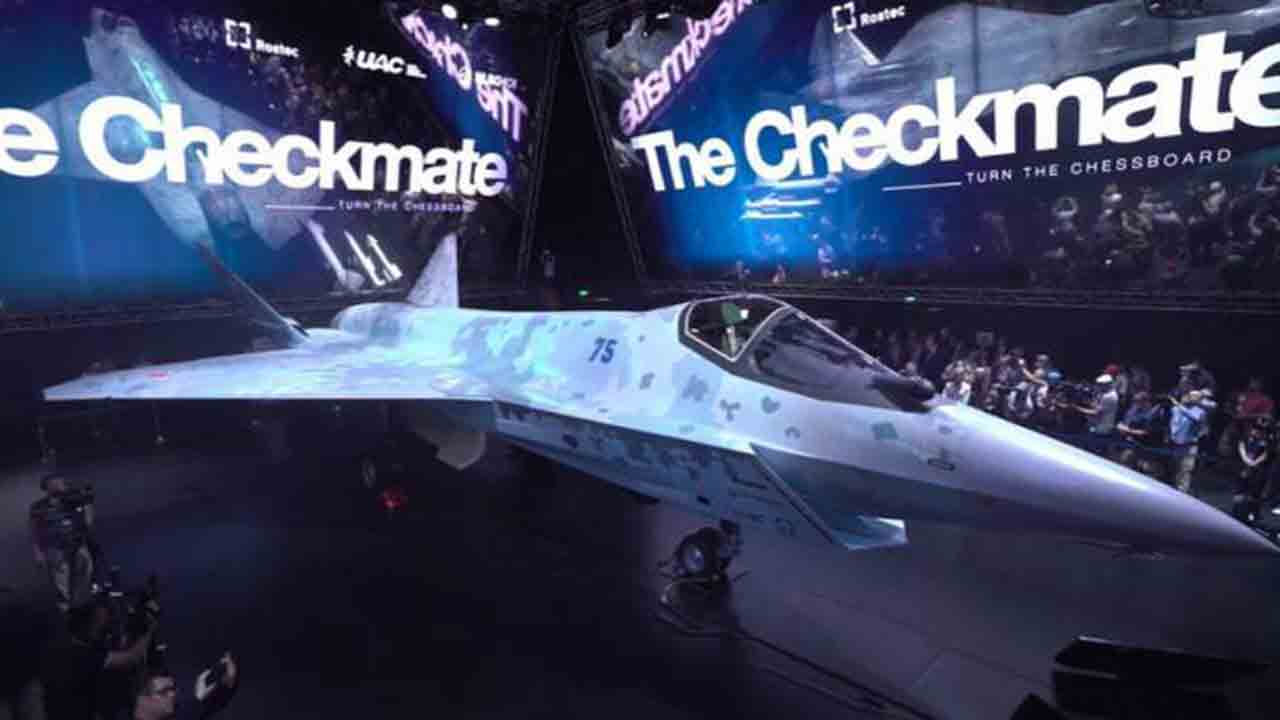
The feature most heavily promoted by Russia remains the price. While the F-35 exceeds the US$80 million range per unit, the Su-75 is estimated at around US$30 million. The proposal is to attract countries seeking to modernize their fleets without bearing the high costs of fifth-generation fighters produced by the United States and its allies.
Despite the announcement, the program still faces skepticism. Since its presentation in 2021, the first flight has been postponed several times, while international sanctions and industrial difficulties have raised doubts about large-scale production capacity. If it manages to meet the current schedule and carry out its maiden flight in 2026, the Checkmate could represent an important step for the Russian aviation industry and for its arms export strategy.
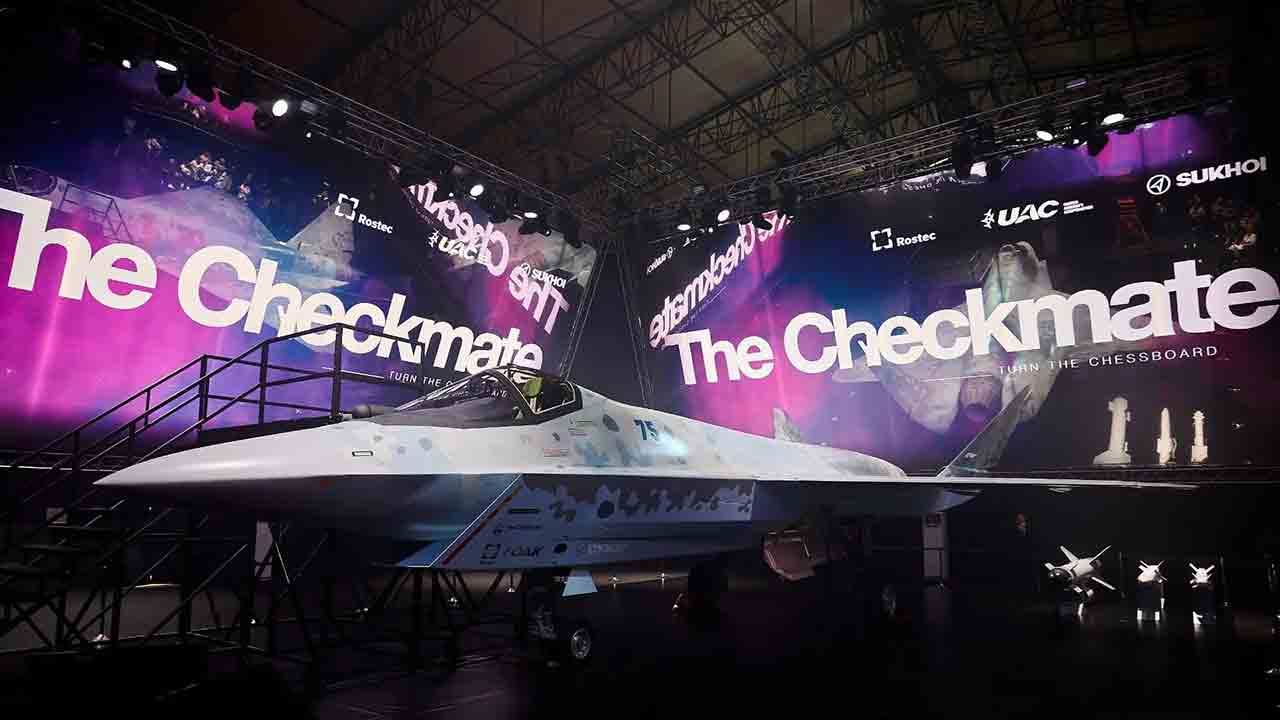
Source: Defence Blog | Photos: Telegram @rostecru | This content was created with the help of AI and reviewed by the editorial team
The long-awaited Su-75 Checkmate has returned to the spotlight after Russia announced the start of construction of its first flying prototype.
