
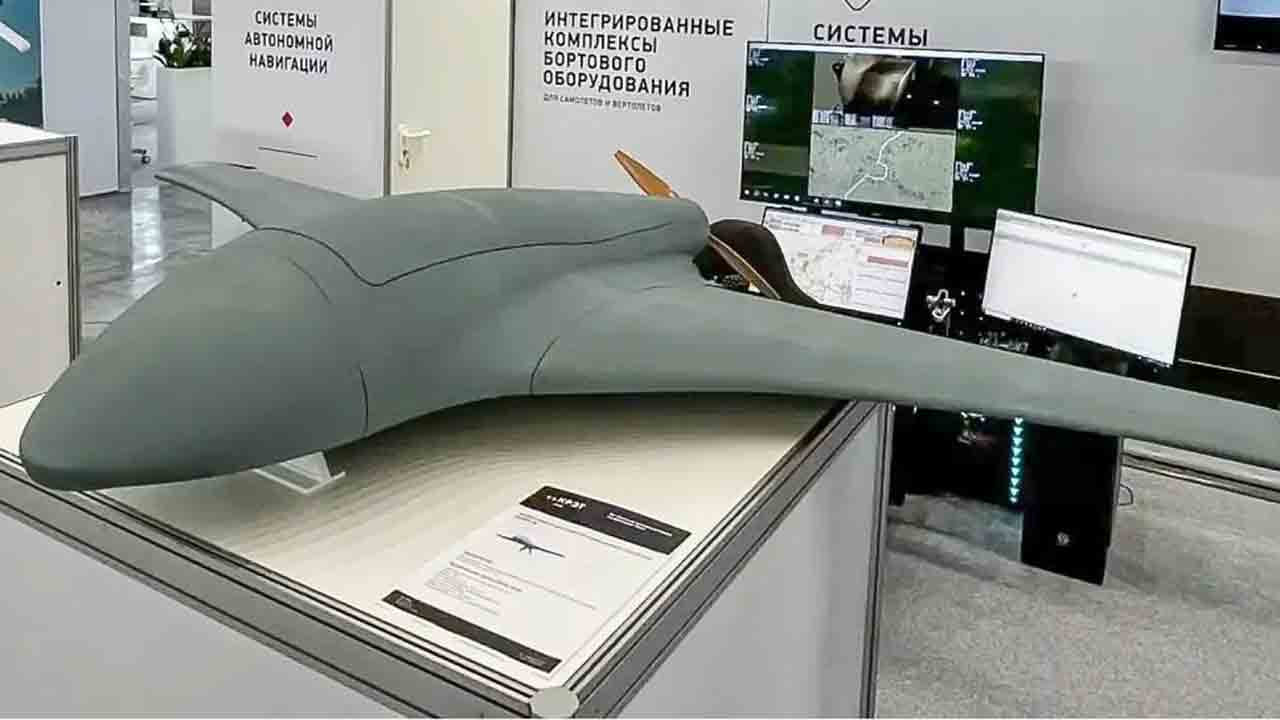
The Russian state-owned company Rostec has presented for the first time the Saturno family of multifunctional drones, developed for monitoring missions, cargo transport, search and rescue, and testing new aeronautical technologies.
The equipment was displayed by the Radioelectronic Technologies consortium, known by the acronym KRET, during the international Drone Expo-2026 exhibition, held in Kazan, Russia.
The new line consists of two electric models: the Saturno-30, a larger platform with a versatile configuration, and the Saturno-10, a compact system equipped with an optoelectronic module.
According to Rostec, the two projects were developed by the Ramenskoye Instrument Design Bureau, an organization linked to KRET. The company says its engineers completed the entire process, from the first drawings to the inaugural flight, in just six months.
Saturno-30 can carry up to 7 kg
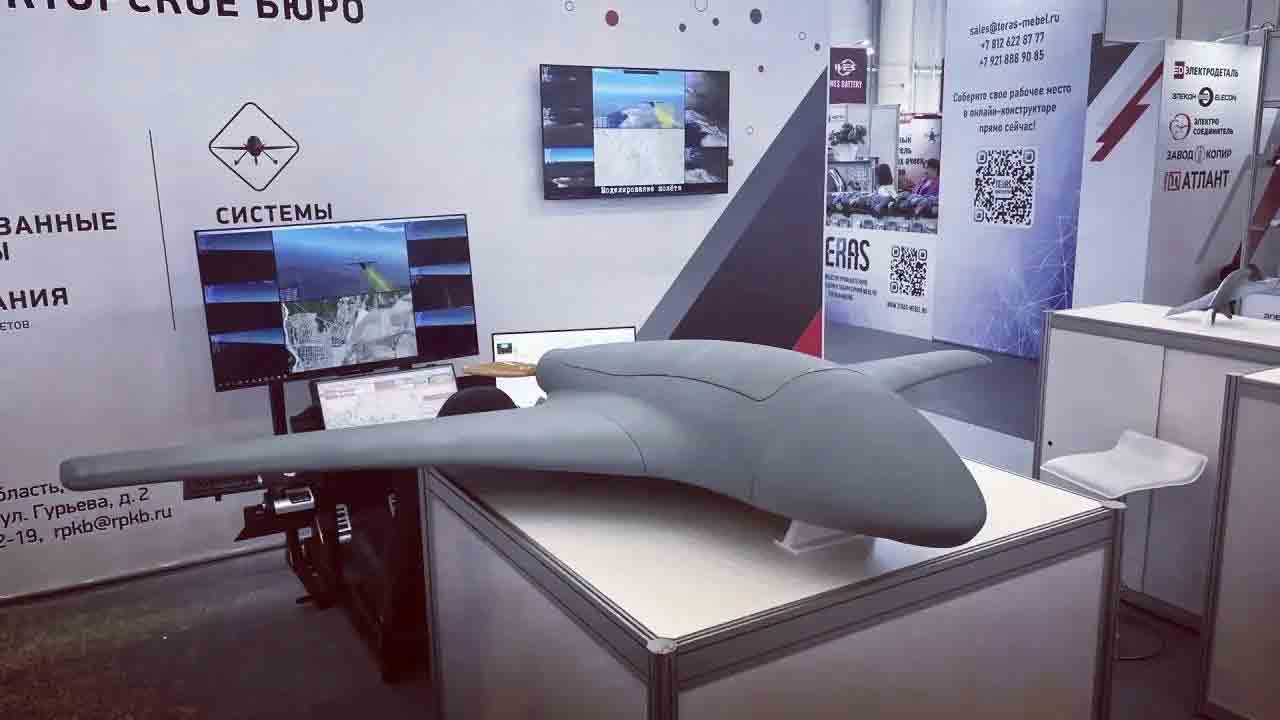
The Saturno-30 weighs approximately 30 kilograms and has the capacity to carry loads of up to 7 kilograms. The drone can reach a maximum speed of 180 km/h, operate at altitudes of up to 3,000 meters, and remain airborne for approximately one hour.
By combining autonomy, speed, and payload capacity, the model was designed to perform different types of missions. Among the applications cited are monitoring large areas, transporting equipment and supplies, and supporting search and rescue operations.
The configuration also allows the Saturno-30 to be used as an experimental platform to evaluate sensors, electronic systems, and other aeronautical solutions under development.
Saturno-10 focuses on observation and object tracking
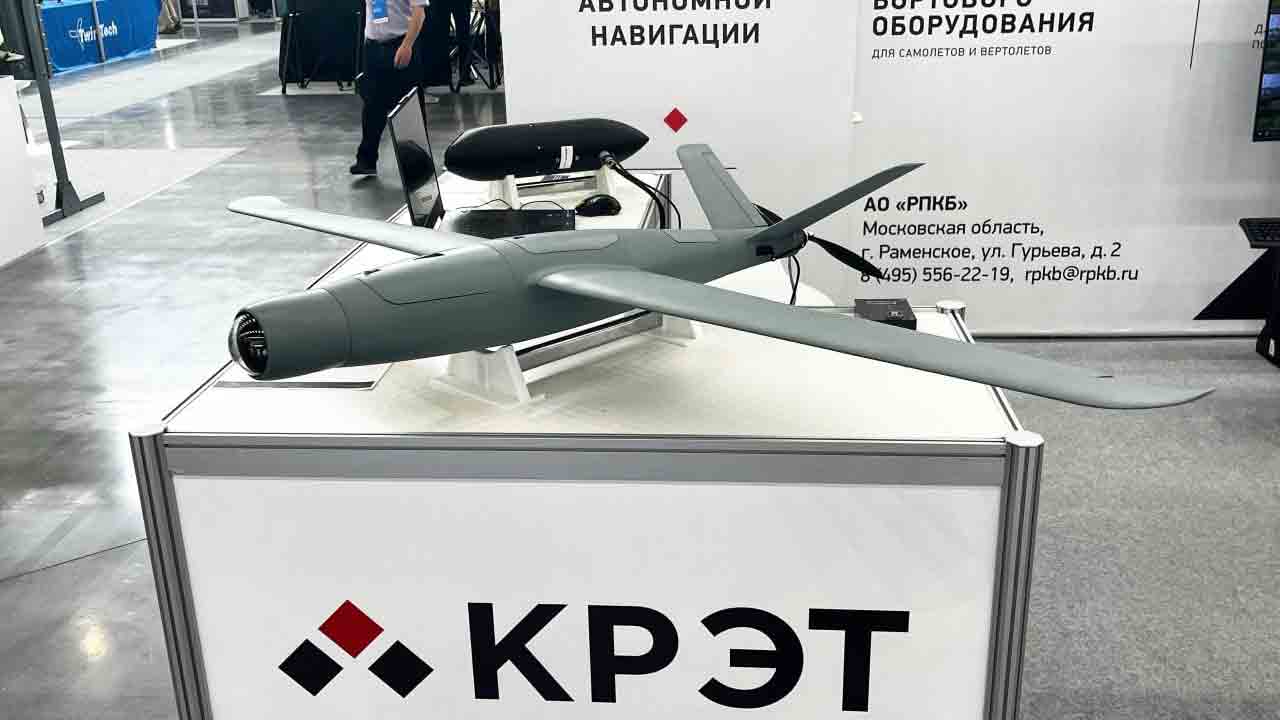
More compact, the Saturno-10 weighs around 10 kilograms and offers a flight endurance of up to 30 minutes. The equipment features an optoelectronic module intended for observation and image collection.
According to the manufacturer, the drone is capable of autonomously detecting, recognizing, and tracking objects, transmitting the information obtained to the operator on the ground.
This capability can be used in inspection activities, infrastructure surveillance, monitoring hard-to-access areas, and supporting teams involved in emergency operations.
Navigation based on computer vision
One of the main highlights of the Saturno family is the onboard computer equipped with artificial intelligence and computer vision capabilities.
The system allows the drones to carry out part of the navigation and control autonomously, reducing the need for constant operator intervention during flight.
According to Rostec, the equipment was produced exclusively with Russian components. Both models are powered by electric motors and are still undergoing a flight test program before the completion of their development.
In addition to operational applications, the drones may serve as platforms for the integration and validation of future control systems, navigation, sensors, and onboard equipment.
+ Russia receives new batch of Su-30SM2 and Su-34 fighter jets amid wartime losses
Source and images: Rostec / KRET. This content was created with the help of AI and reviewed by the editorial team.
