
Technical failure puts Hayabusa2 in safe mode while traveling toward asteroid KY26
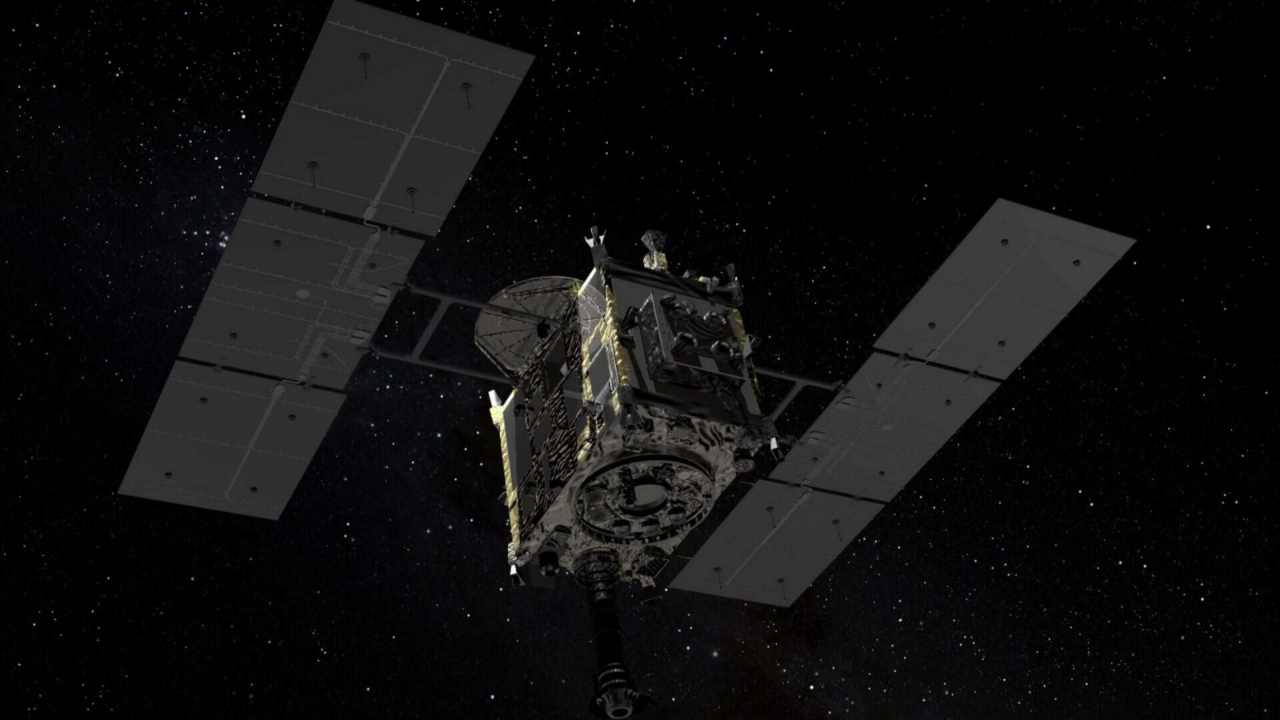
The Hayabusa2 probe, from the Japan Aerospace Exploration Agency (JAXA), entered safe mode after detecting a technical failure during its journey through deep space. The mission, which began in 2014 with the goal of collecting asteroid samples, is now heading toward the celestial body KY26.
In 2020, Hayabusa2 made history by returning to Earth with samples from the asteroid Ryugu, providing valuable data on the origin of the Solar System. After this successful delivery, the probe began a new phase of exploration, with an expected arrival at KY26 in 2031. However, the mission is facing setbacks.
According to a statement published by JAXA on April 2 on the X network (formerly Twitter), the spacecraft automatically entered safe mode after identifying an anomaly. This protocol is activated to preserve the integrity of the equipment, temporarily shutting down scientific systems and non-essential functions, prioritizing energy conservation.
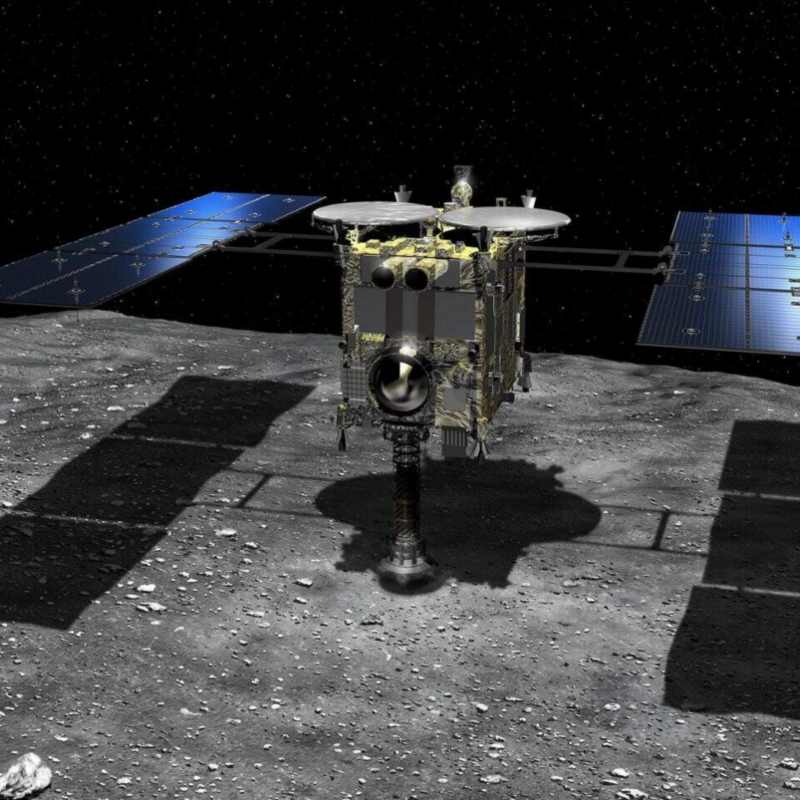
Despite the failure, communications with the ground control team remain stable. JAXA is investigating the incident and assessing the potential impacts on the mission’s schedule. No new updates have been provided since the alert.
Meanwhile, the agency is preparing for another ambitious mission: the MMX (Martian Moons eXploration) mission, scheduled for 2026. The goal is to collect samples from the Martian moon Phobos and return them to Earth by 2031. The mission will help clarify the origin of Mars’ moons — whether they are captured asteroids or remnants of an ancient impact, contributing to a better understanding of the history of the Red Planet.
Source and images: Olhar Digital / JAXA. This content was created with the help of AI and reviewed by the editorial team.
