
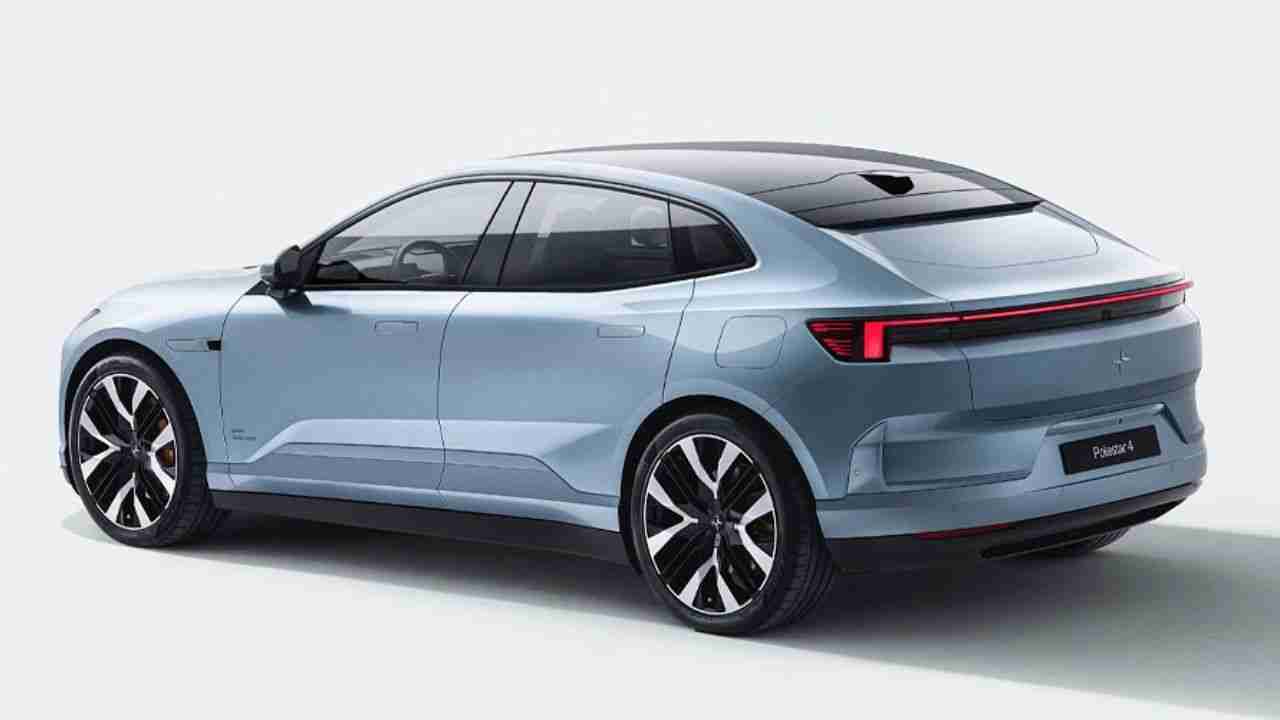
The Polestar 4, an electric SUV launched in the United States, European, and Australian markets, caught attention by completely dispensing with the rear window. Instead, the vehicle uses a camera installed on the roof to transmit images to the digital rearview mirror, replacing the traditional mirror.
This decision aims to highlight the car’s design, improve passenger experience, and fully utilize available technology. The camera, developed in partnership with Gentex, has already been tested on race cars and provides a wider view than a conventional mirror.
Although this innovation offers benefits, such as a 121-degree field of view and 360° vision for maneuvering, it also causes some discomfort. Many drivers reported difficulties adapting, as the screen does not provide the same depth perception as a regular mirror. Additionally, the absence of the rear window prevents the driver from simultaneously seeing the road and passengers in the back seat, which can be particularly bothersome for parents with small children.
Despite initial doubts, Polestar states that the tests were rigorous and that consumers have accepted the new system well. The brand argues that the camera improves visibility compared to traditional coupe SUVs, which already have small rear windows. However, the system still generates some distrust, especially because it breaks deeply ingrained driving habits.
Overall, the Polestar 4 represents a bold step forward in automotive design and technology, even if it doesn’t immediately please everyone. The experience with the digital rearview mirror requires an adaptation period, and many drivers may resist the change.
Still, for those seeking innovation and not bothered by abandoning the traditional mirror, the model offers a different and futuristic proposal that could become a trend in the coming years.
Source: Mashable | Photo: Instagram @polestarcars | This content was created with the help of AI and reviewed by the editorial team
View this photo on Instagram
