
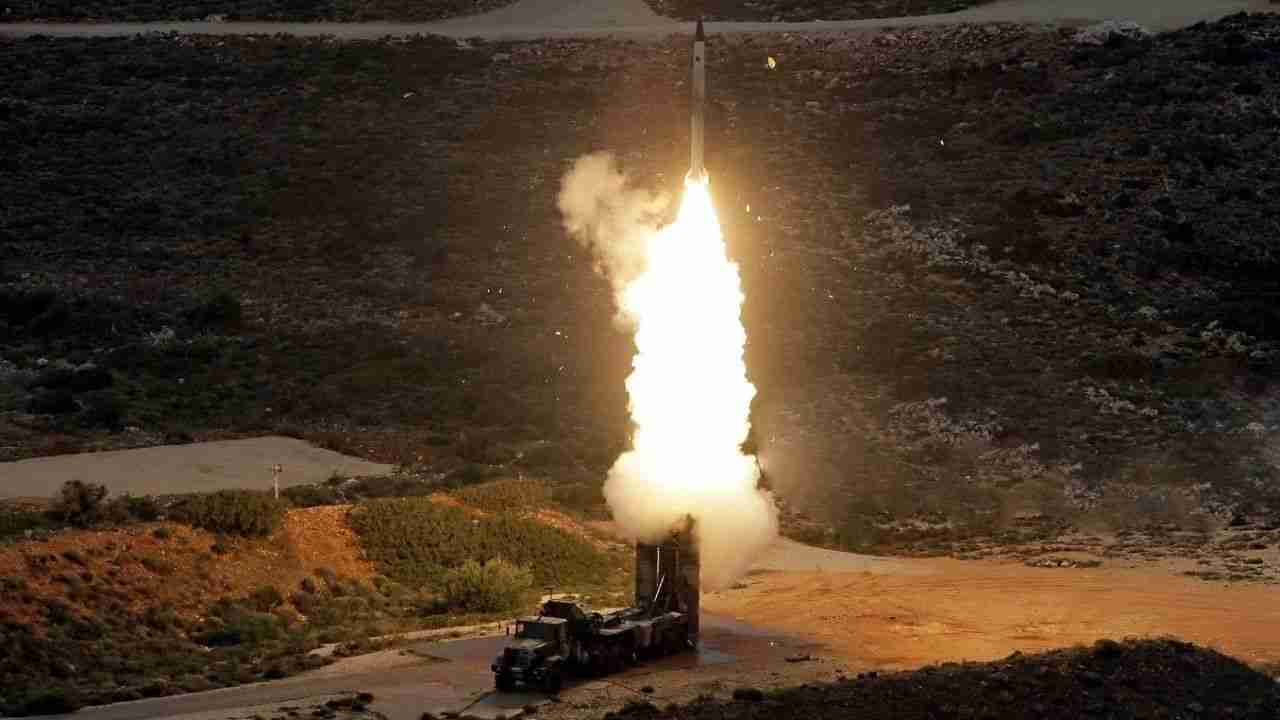
Norway announced that it will finance the acquisition of new interceptor missiles for Ukraine’s S-300 air defense systems, at a time of heavy pressure on the country’s air defense capabilities due to ongoing Russian missile and drone attacks.
The investment, just over $50 million, is part of a broader military aid package presented by Oslo, which also includes weapons and logistical support for the Ukrainian Armed Forces.
In addition to the interceptors for the S-300, the package includes the provision of munitions for Ukrainian F-16 fighter jets, including precision rockets capable of turning low-cost weapons into guided systems. These weapons, which can be used by both aircraft and ground-based air defense systems, are expected to primarily strengthen the ability to combat drones and short-range air threats, thus enhancing Ukraine’s operational flexibility.
Despite the announcement, there are still uncertainties about the origin of the missiles intended for the S-300, as Russia is currently the only known producer of new interceptors for this system. In light of this, the possibility of Ukraine using domestically developed missiles is growing. Local companies, such as Fire Point, claim to be working on interceptors compatible with the launchers of the S-300 systems and even the more modern S-400, while also seeking integration with Western radars to increase air defense effectiveness.
The S-300 systems remain one of the pillars of Ukraine’s air defense, even after significant losses since the beginning of the Russian invasion in 2022. At the same time, Ukraine also operates Western systems, such as the Patriot, which play a crucial role but face interceptor stock limitations. In this context, Norwegian support and the possible development of national missiles represent an important strategic reinforcement, both in the short term to protect infrastructure and populations, and in the long term by reducing external dependence in one of the most critical sectors of the conflict.
Source: The War Zone | Photo: X @Jeff21461 | This content was created with the help of AI and reviewed by the editorial team
🇳🇴 Norway allocates 1.5 billion NOK (125 million €) for the provision of F-16 munitions and missiles for the S-300 Air Defence System to Ukraine.https://t.co/Roa5iKQJpJ pic.twitter.com/ufq08WX211
— Jeff2146🇧🇪 (@Jeff21461) December 17, 2025
Remarkable image of a Ukrainian Air Force S-300 long range surface to air missile rising over the eastern front, racing off towards a Russian air target. pic.twitter.com/ycBJ9vgAZT
— OSINTtechnical (@Osinttechnical) January 7, 2025
