
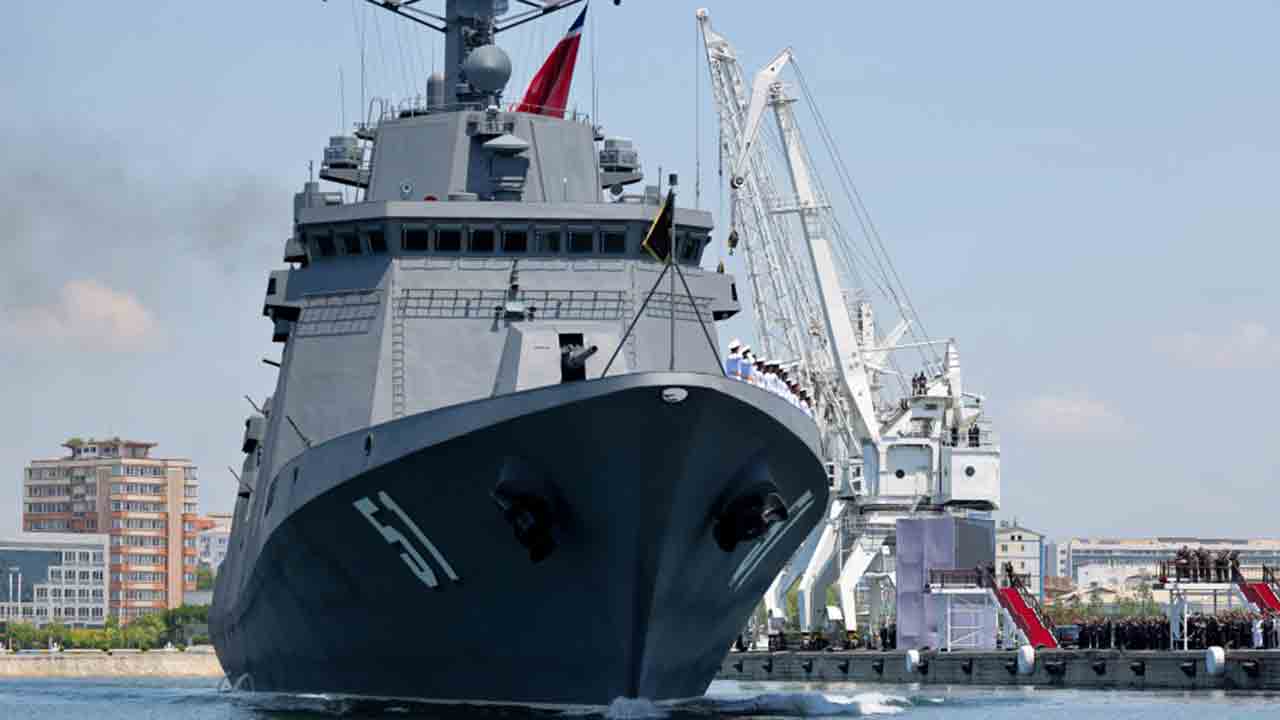
The multipurpose ship was incorporated into the West Sea Fleet after more than a year of evaluations, according to North Korean state media.
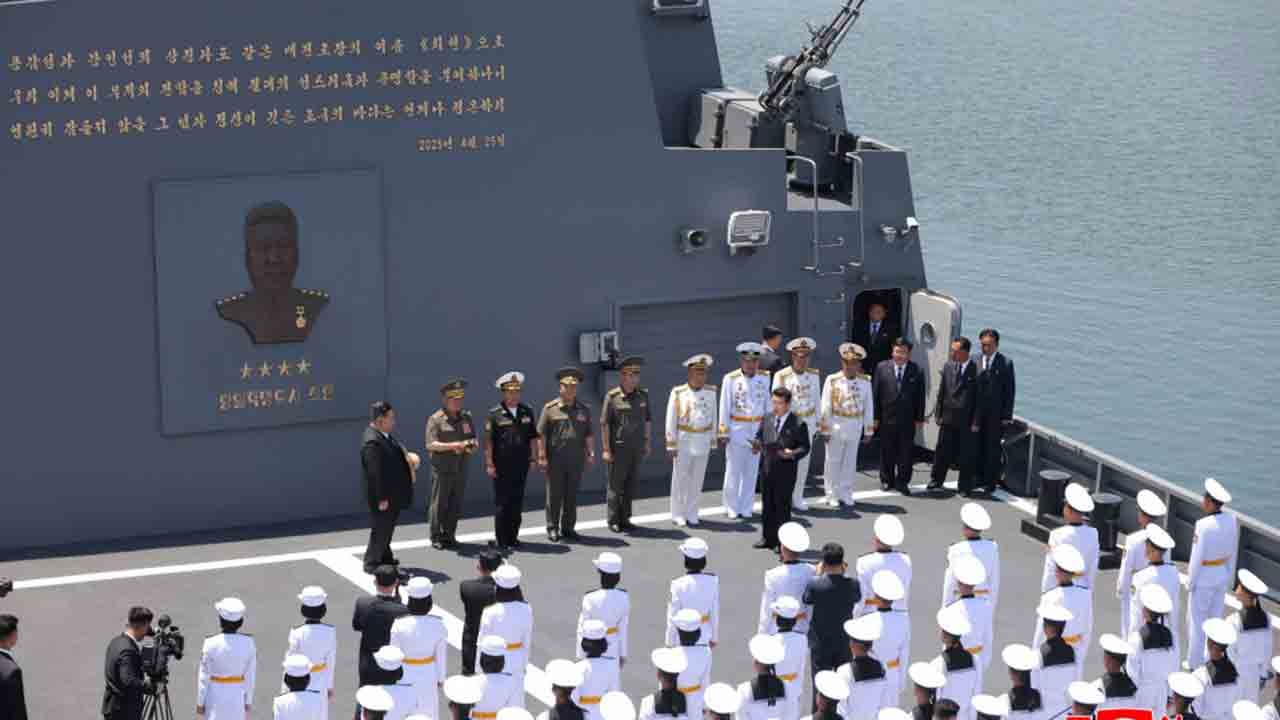
North Korea has officially put the multipurpose destroyer Choe Hyon into service, presenting it as a new symbol of the country’s naval modernization. The ceremony took place at the Port of Nampo on June 23, with Kim Jong Un in attendance, according to the Korean Central News Agency, KCNA.
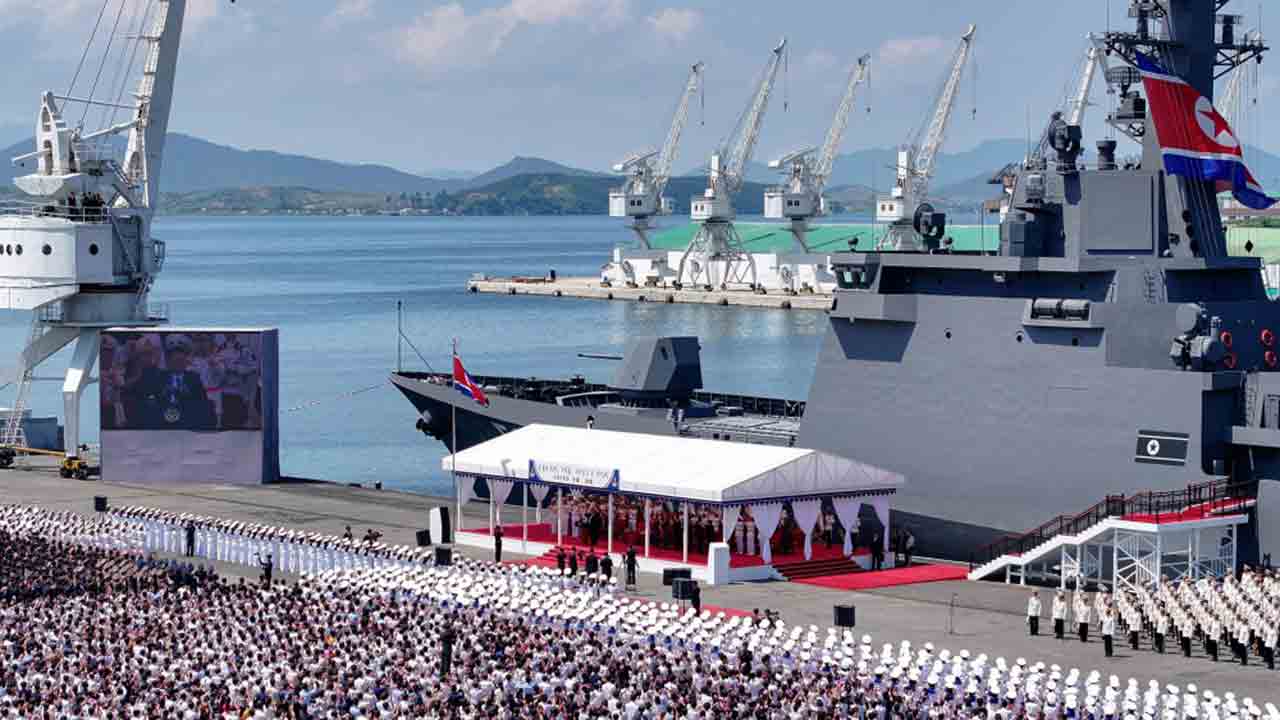
According to state media, the ship underwent 1 year and 2 months of operational evaluation before being incorporated into the Navy of the Korean People’s Army. The official text mentions navigation tests, mobility trials, military certification and firings of weapons systems, but does not specify which weapons were tested or provide data such as displacement, range, sensors or the type of missiles carried on board.
Pyongyang is trying to show that its military strategy does not depend only on ballistic missiles, artillery and ground forces. By commissioning a larger destroyer, North Korea signals its intention to expand its presence at sea, especially within the so-called West Sea Fleet, a sensitive area because of its proximity to South Korea and strategic maritime routes.
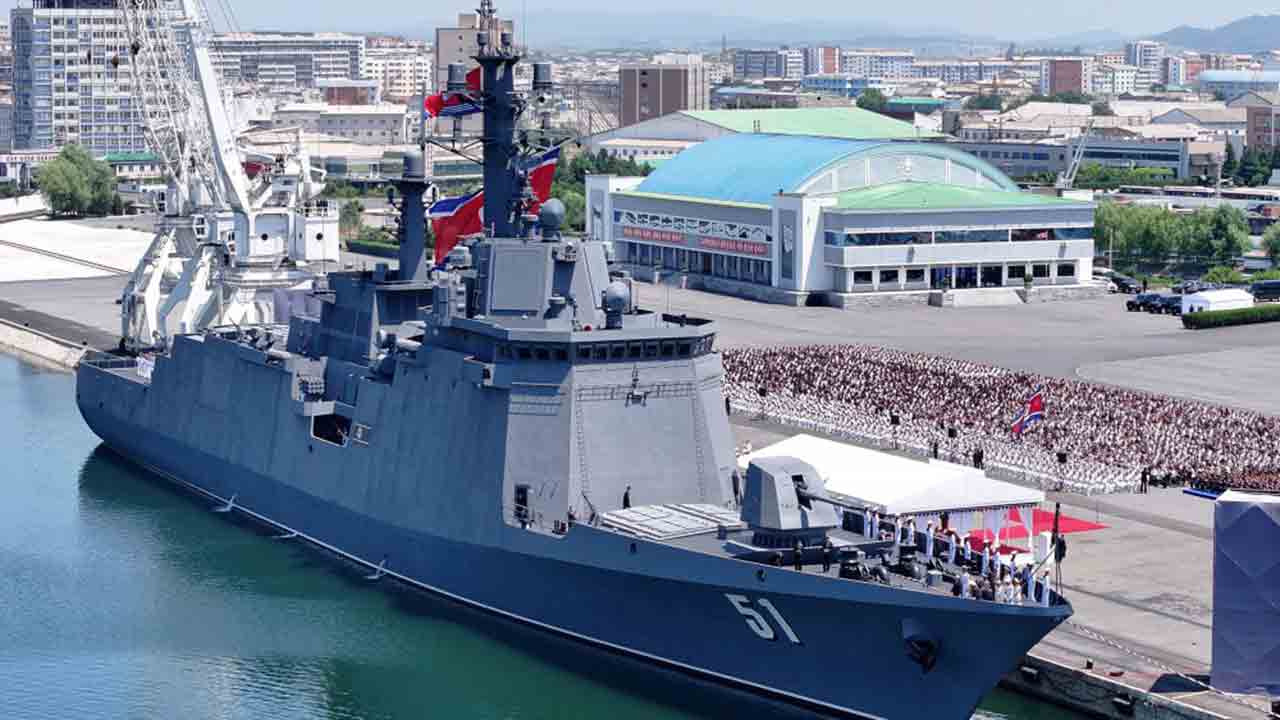
The ship stands out for the number 51 painted on its hull, its inclined bow, angular superstructure and mast loaded with radars, antennas and sensors. The straight lines and sloped surfaces suggest an attempt to reduce radar signature, although the images alone do not make it possible to determine the vessel’s real level of stealth.
The official speech described the Choe Hyon as the first major destroyer of North Korea’s naval “new era.” This type of language is common in Pyongyang’s propaganda, but the concrete fact is relevant: for a navy historically based on smaller vessels, conventional submarines, patrol ships and coastal assets, the entry into service of a multipurpose destroyer represents a shift in ambition.
It is worth understanding that a modern destroyer functions as a multi-role combat platform. It can be used for air defense, attacks against naval targets, escort missions, electronic warfare, surveillance and, depending on its configuration, missile launches against land targets. The open question is whether the Choe Hyon has real capabilities comparable to modern ships from other navies or whether, for now, it is more of a political and symbolic instrument.
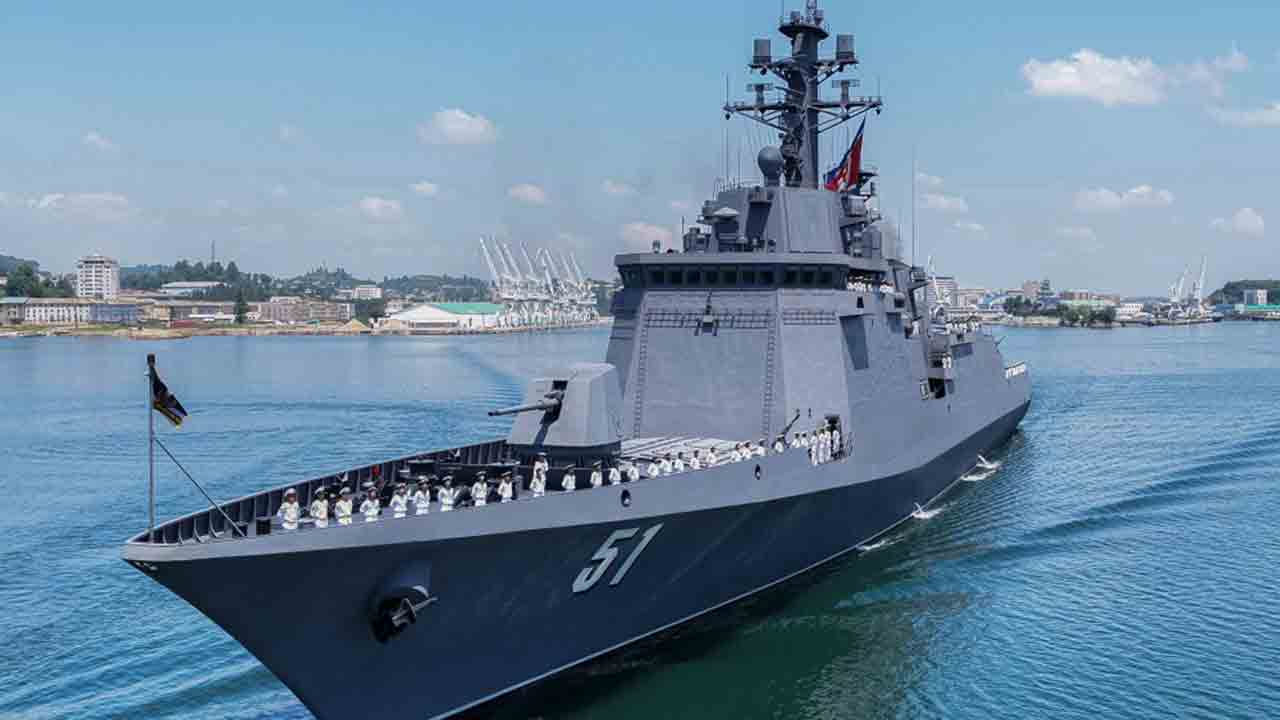
North Korea does not usually release verifiable technical specifications for its new military systems. For this reason, claims about performance and operational readiness should be treated with caution. Even so, the commissioning of the Choe Hyon indicates that Pyongyang wants to turn its navy into a more visible component of deterrence at a time of persistent tension on the Korean Peninsula.
Source and images: KCNA / North Korean state media. This content was created with the help of AI and reviewed by the editorial team.
