
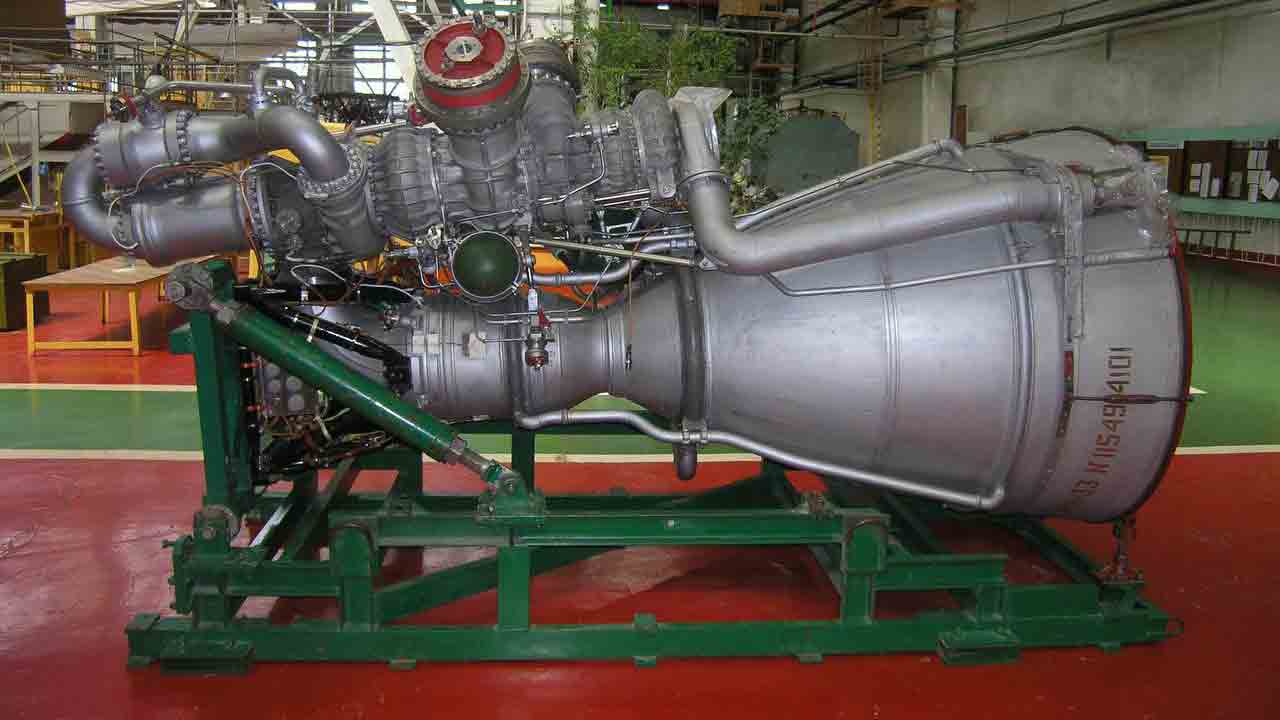
The NK-33 engine is one of the most emblematic chapters in Soviet engineering and in the history of the space race. Created under absolute secrecy to power the USSR’s lunar program, the propulsion system not only survived the cancellation of the mission but also returned to service decades later, in a new phase of the Russian space industry.
In the early 1960s, the Soviet Union was working on an ambitious plan to carry out a crewed flight to the Moon. To make that possible, it would be necessary to develop the super-heavy N-1 rocket, and responsibility for the engines was assigned to Nikolai Kuznetsov’s design bureau in Kuibyshev, now Samara. Today, the structure is part of UEC-Kuznetsov, a company within the United Engine Corporation, linked to Rostec.
The project moved forward under strict secrecy. According to historical accounts, Sergei Korolev himself, the leading figure of the Soviet space program, visited Kuibyshev using the name “Sergeev” to personally oversee the engine’s development. The requirement was clear: create a system with reduced weight, high performance, and maximum reliability.
Between 1969 and 1972, the team led by Kuznetsov developed the NK-33, a liquid-propellant rocket engine with a nominal thrust of 154 tons. In testing, however, its performance exceeded the original targets, with recorded operation above 200 tons of thrust.
The tests carried out on the NK-33 became notable for their extreme rigor. According to the released information, the engine was subjected to severe trials, including the introduction of metal fragments, nuts, bolts, and even pieces of cloth while it was running. Even so, there were no catastrophic failures. In another harsh procedure, known as the “guillotine,” the fuel pipe was abruptly cut while the engine was in operation. Instead of exploding, the system performed a controlled shutdown.
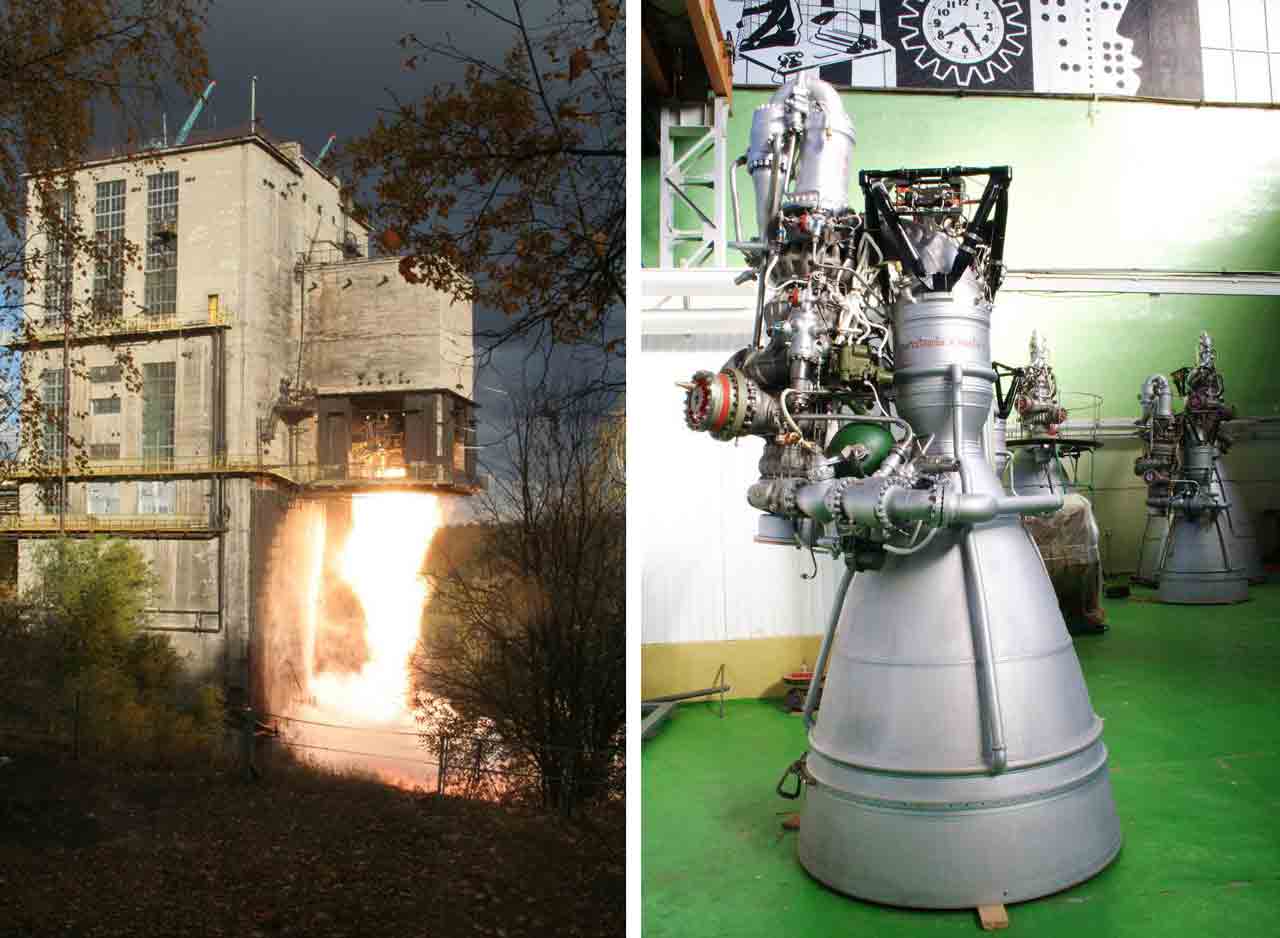
The test figures help explain the NK-33’s reputation. Between December 1969 and January 1977, 191 engines were tested, with 469 firings and a total of 44,393 seconds of operation. The reported reliability rate was 99.94%.
The NK-33 also made history for being regarded as the first engine in its class with a closed-cycle oxygen-kerosene design conceived for multiple uses. That level of technical sophistication helped cement its reputation as a project far ahead of its time.
Even so, in 1974, the Soviet lunar program was terminated. With the end of the initiative, Kuznetsov received orders to destroy all NK-33 units and redirect his efforts to aviation. According to engineer Vera Danilchenko’s account, this was one of the most difficult moments in the designer’s life.
But the story took a different turn. Instead of fully carrying out the order, dozens of engines were secretly preserved and hidden behind a false wall at the test site in the Samara region. The decision, taken at personal risk, would end up changing the fate of the NK-33.
Only in 1991 was the engine presented to the international public, during the “To the Stars” exhibition in Moscow. The revelation caused a strong impact among foreign specialists, who were surprised by the technical characteristics of a project developed decades earlier.
Years later, the propulsion system returned to operation. In 2010, UEC-Kuznetsov, in partnership with RKC Progress, began adapting the NK-33 for the Soyuz-2.1v rocket. The modernized variant received the designation NK-33A.
The first launch of this new phase took place in December 2013. Then, on February 2, 2025, the 13th successful launch of the Soyuz-2.1v rocket equipped with the NK-33A was recorded, according to information released by the Russian industry.
The NK-33’s trajectory brings together rare elements: technological innovation, military secrecy, personal decisions, and historical survival. Designed to take Soviet cosmonauts to the Moon, the engine ultimately crossed decades before finding a new role in modern Russia’s space era.
Source and images: UEC, Telegram @uecrus_official. This content was created with the help of AI and reviewed by the editorial team.
