
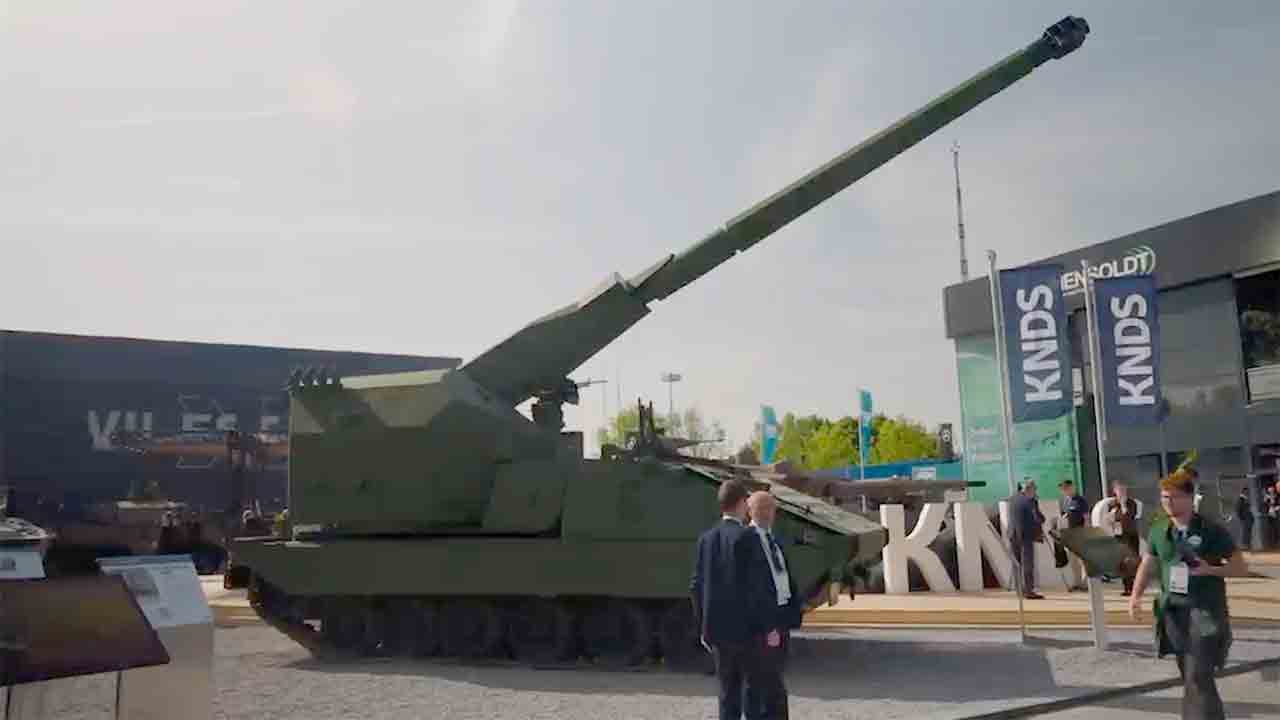
The German company KNDS has carried out in Sweden the first firing tests of the new RCH 155 LORAS (Long Range Artillery System) self-propelled artillery system, a long-range version of the already well-known RCH 155.
The information comes from the Ukrainian portal Militarnyi. According to the report, the firings took place on June 15 and were part of the validation of the concept recently presented during the Eurosatory 2026 exhibition, held in Paris.
The main difference of the LORAS is its 155 mm gun with a 58-caliber barrel, longer than the 52-caliber standard used by most Western howitzers. The change makes it possible to significantly increase the initial velocity of the projectiles and, consequently, the range of the shots.
According to KNDS, the system will be able to hit targets at around 60 kilometers with conventional ammunition and between 80 and 100 kilometers using guided or extended-range ammunition.
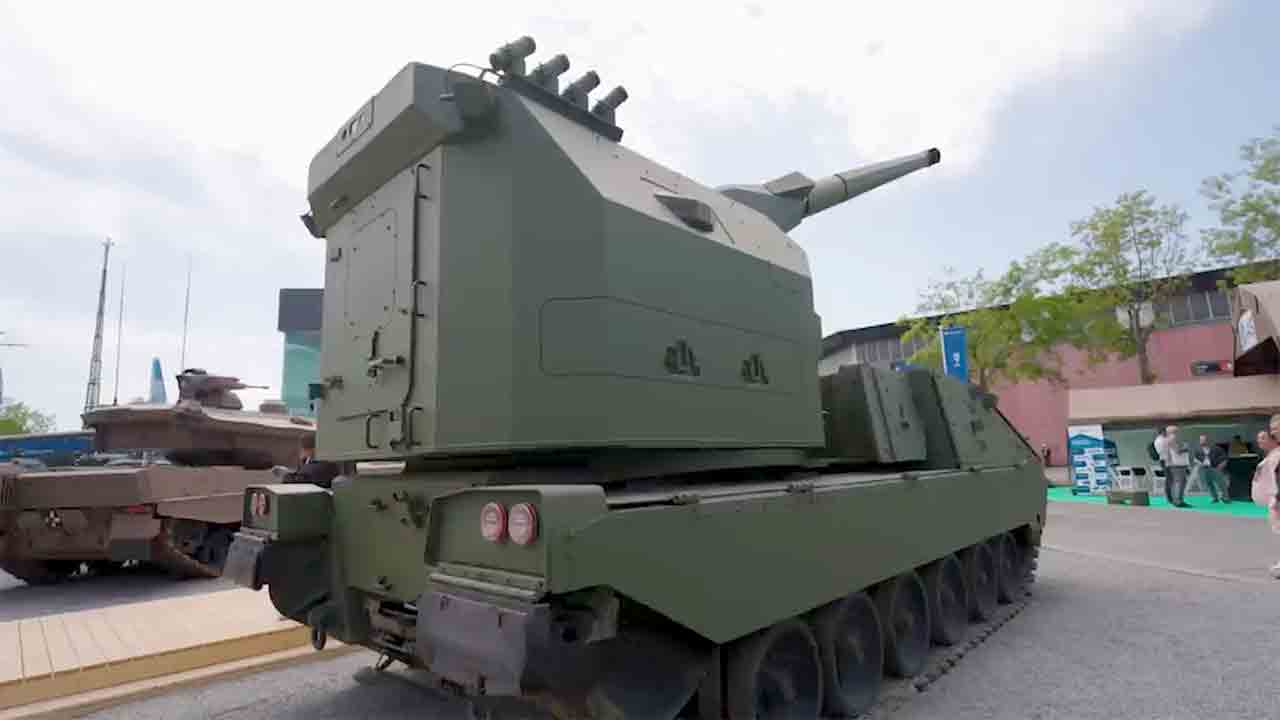
The system combines the new weapon with a tracked version of the RCH 155 and its automated AGM (Artillery Gun Module) turret, eliminating the need for a crew inside the turret. Its rate of fire exceeds eight rounds per minute, while its combat weight is around 45 tons.
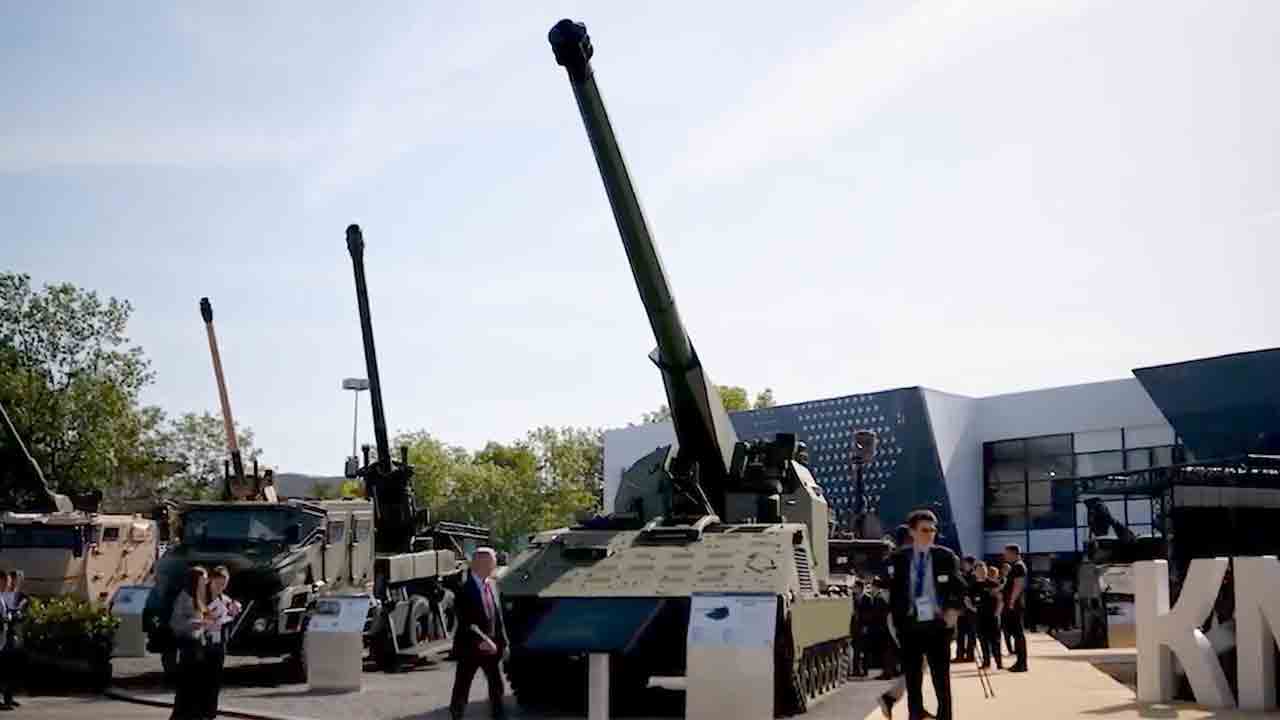
KNDS aims to fill a gap between conventional howitzers and multiple rocket launcher systems. Currently, most NATO 155 mm artillery pieces reach between 30 and 40 kilometers with standard ammunition and up to around 60 kilometers with special projectiles. The LORAS is intended to offer deep-strike capabilities without abandoning the ammunition standard already used by the alliance’s armies.
The RCH 155 is already considered one of the most advanced artillery systems in Europe and stands out for its high level of automation and ability to fire even while on the move. Ukraine became the first operator of the original system, while Germany and the United Kingdom also have orders underway.
Photos: Reproduction / Militarnyi. This content was created with the help of AI and reviewed by the editorial team.
