
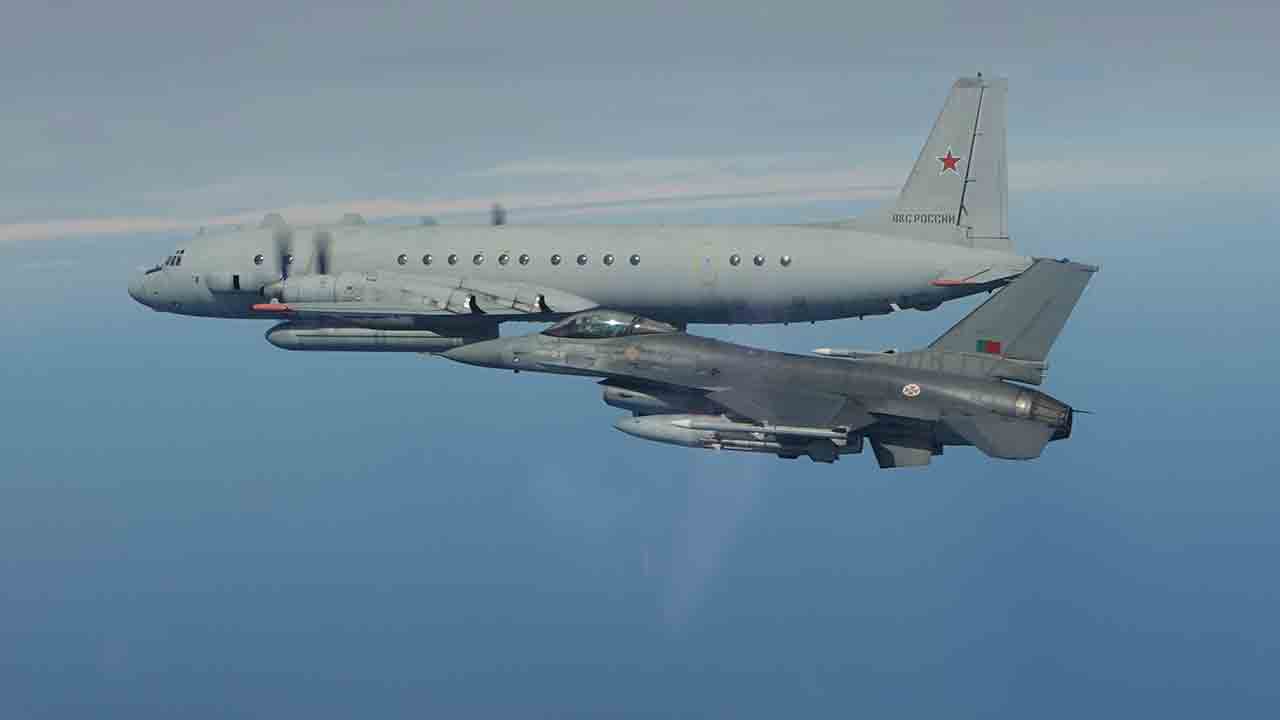
Even as the large-scale Ramstein Flag exercise continues, NATO allied air forces have once again demonstrated that training activities do not diminish operational readiness. In two separate incidents in the Baltic region, Portuguese F-16s and French Rafale fighters were scrambled on Alliance Air Policing missions, reinforcing surveillance over Europe’s eastern flank.
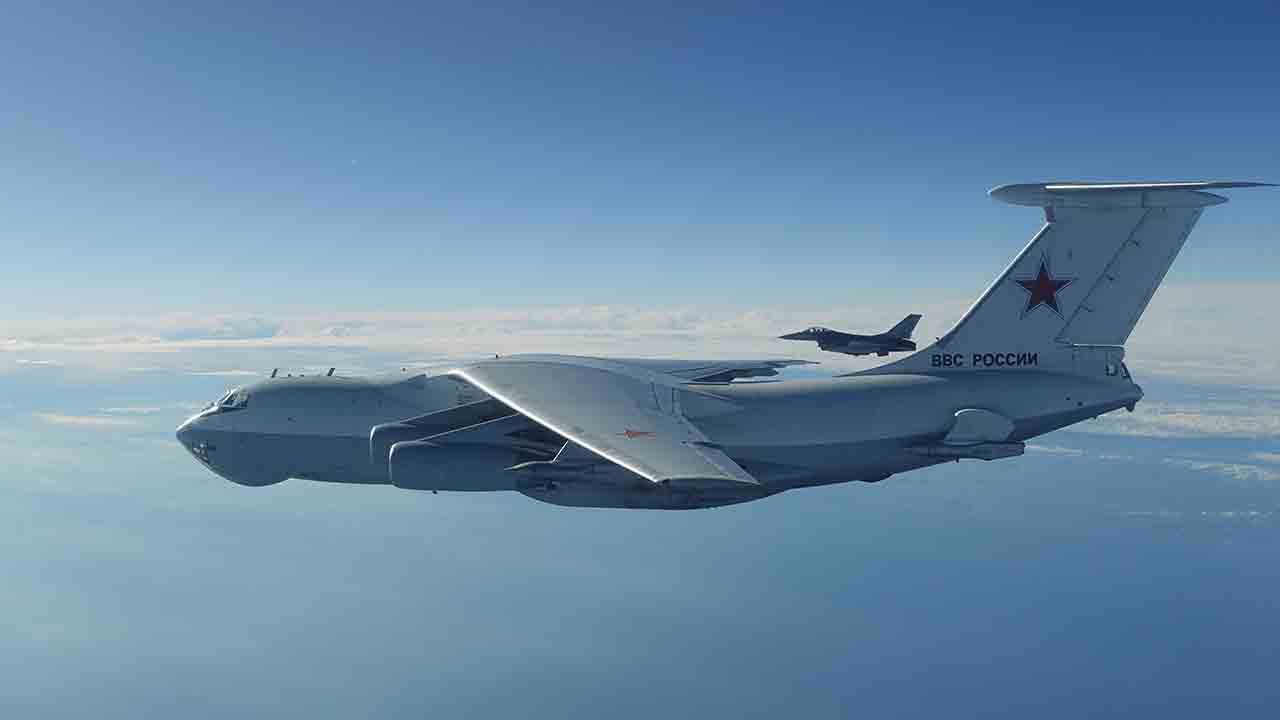
Shortly before the weekend, Portuguese Air Force F-16s took off to intercept, identify, and monitor Russian aircraft operating near Baltic airspace. The mission was part of NATO’s routine operations to track aerial activities considered sensitive near Allied territory.
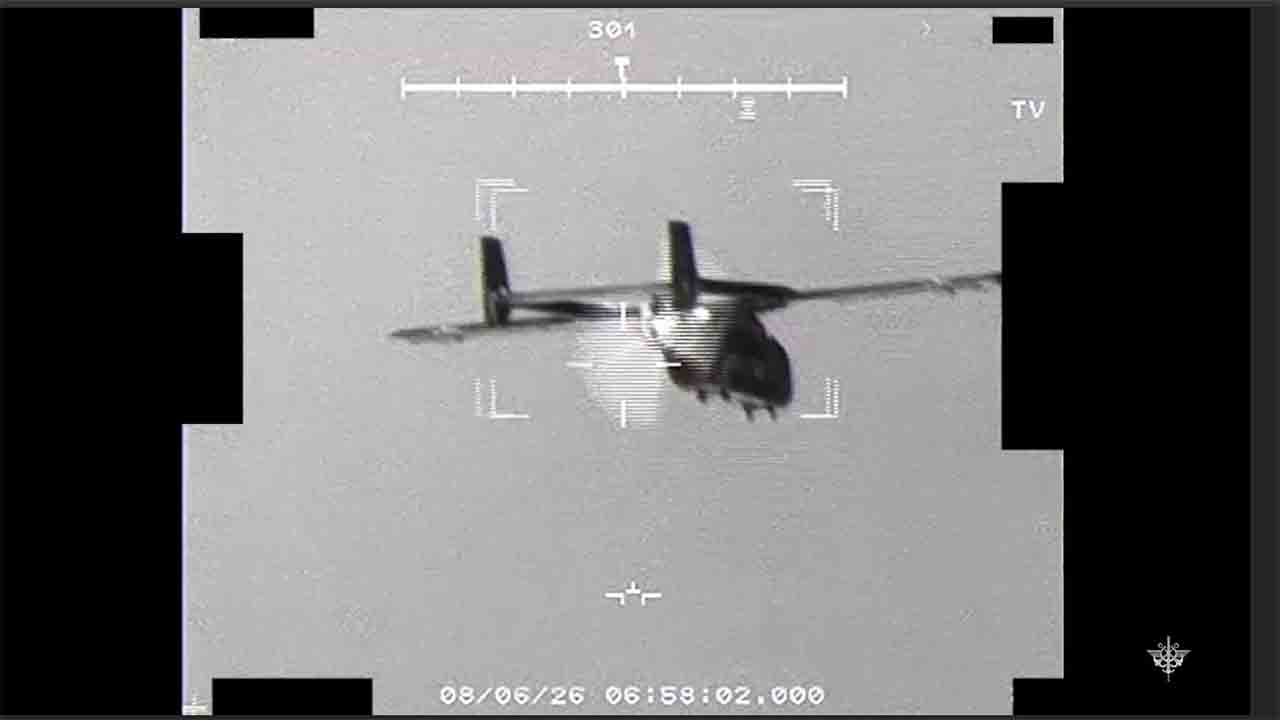
Earlier this week, Rafale fighters from the French Air and Space Force were scrambled after the detection of an unmanned aerial system (UAS) that entered Latvian airspace from the east. After identifying the threat and following established procedures, the drone was engaged and destroyed. The French jets then carried out an additional surveillance mission along the eastern border of the Baltic states.
+ Watch the video of the UAS shootdown in Latvia by Rafale fighters
The operations took place while NATO conducts Ramstein Flag, an exercise focused on integrated training among Allied air forces. According to the Alliance, the incidents demonstrate its ability to simultaneously maintain training, deterrence, and real-world defense activities in one of Europe’s most sensitive regions.
The Baltic Air Policing mission is one of the cornerstones of NATO’s air presence in the Baltic region, where Estonia, Latvia, and Lithuania do not maintain their own fighter aircraft for air defense. As a result, Allied nations rotate combat aircraft deployments to ensure continuous surveillance, rapid response, and protection of the airspace.
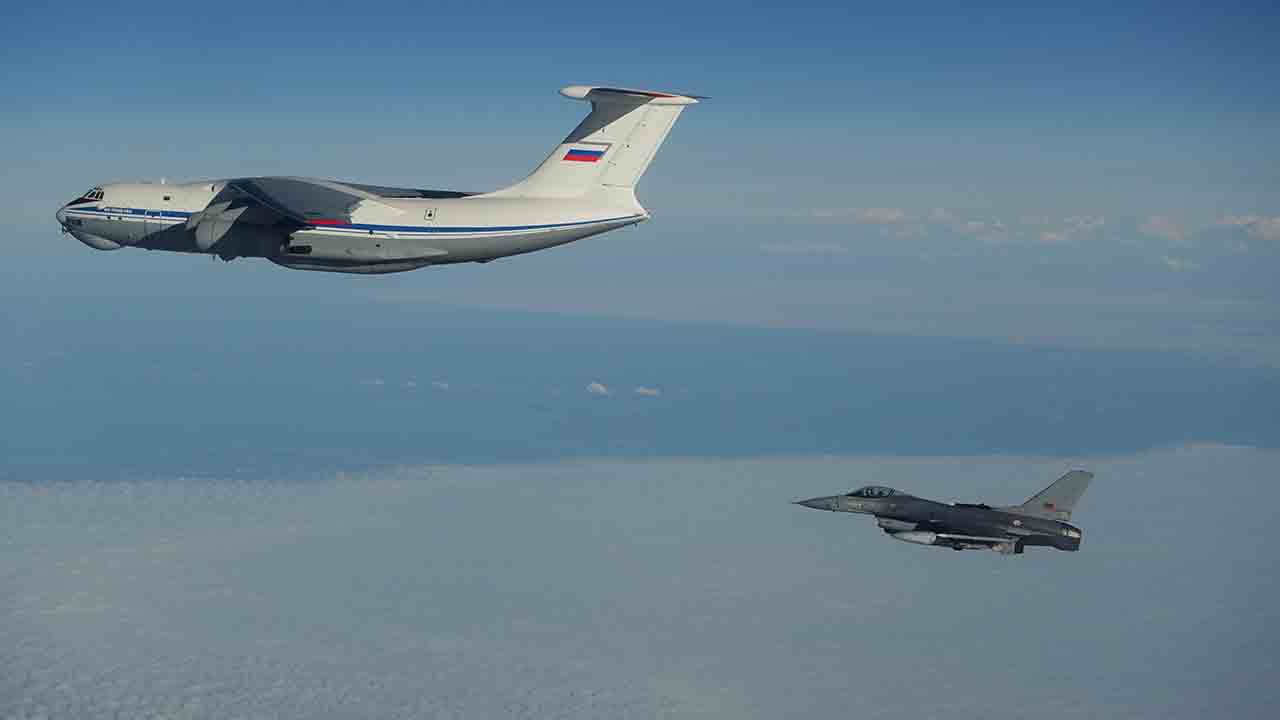
According to NATO Air Command, the recent scrambles highlight the readiness and vigilance of the Alliance’s Air Policing forces amid increased military activity near NATO’s eastern border.
+ Ukrainian Skynex shoots down 12 Russian aerial targets in a single engagement
Source: NATO Air Command / @NATO_AIRCOM. This content was created with the assistance of AI and reviewed by the editorial team.
