
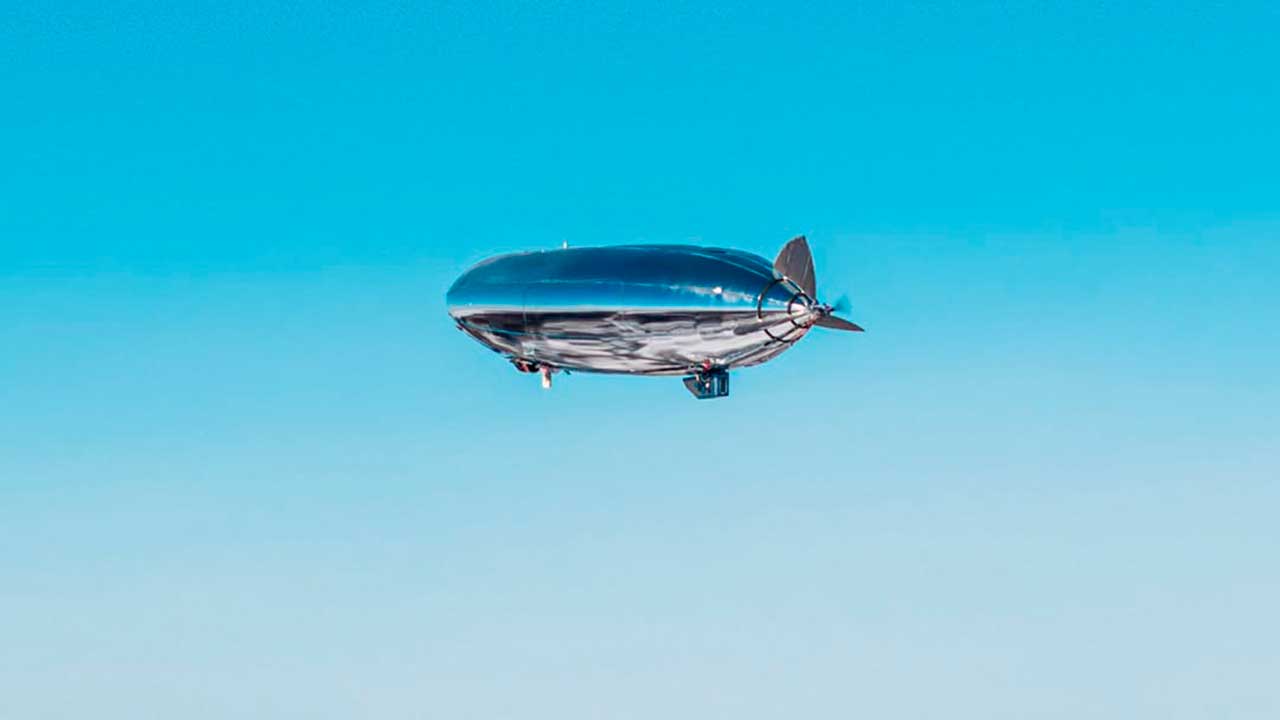
The Finnish reconnaissance balloon Kelluu was used in the REPMUS 2025 exercise, conducted by the North Atlantic Treaty Organization (NATO) in Portugal, aimed at testing autonomous maritime systems in real-world conditions.
The announcement was made by manufacturer Kelluu in an official statement, highlighting the significance of participating in the largest exercise of its kind conducted by the Atlantic Alliance.
Cutting-edge international exercise
REPMUS (Robotic Experimentation and Prototyping using Maritime Unmanned Systems) takes place annually under the coordination of the Portuguese Navy. The 2025 edition is being held from September 1 to 26.
The training brings together allied naval forces, industry representatives, universities, and research centers, focusing on the evaluation of emerging technologies such as unmanned vehicles and persistent surveillance systems. Among the main objectives are:
- Intelligence and communication resilience;
- Electronic warfare;
- Amphibious operations;
- Force protection and experimental missions.

The advantage of Kelluu
Kelluu balloons stand out for their ability to provide long-term observation from ultra-low altitudes, an advantage over optical satellites, which face limitations in adverse weather conditions.
Unlike conventional planes and drones, balloons can stay airborne for much longer, ensuring continuous monitoring. The model used is hydrogen-powered and has an endurance of up to 12 hours of uninterrupted flight.
According to Kelluu, this technology offers an effective and low-cost solution for maritime surveillance operations, complementing the traditional systems used by NATO.
Source and images: Kelluu. This content was created with the help of AI and reviewed by the editorial team.
