
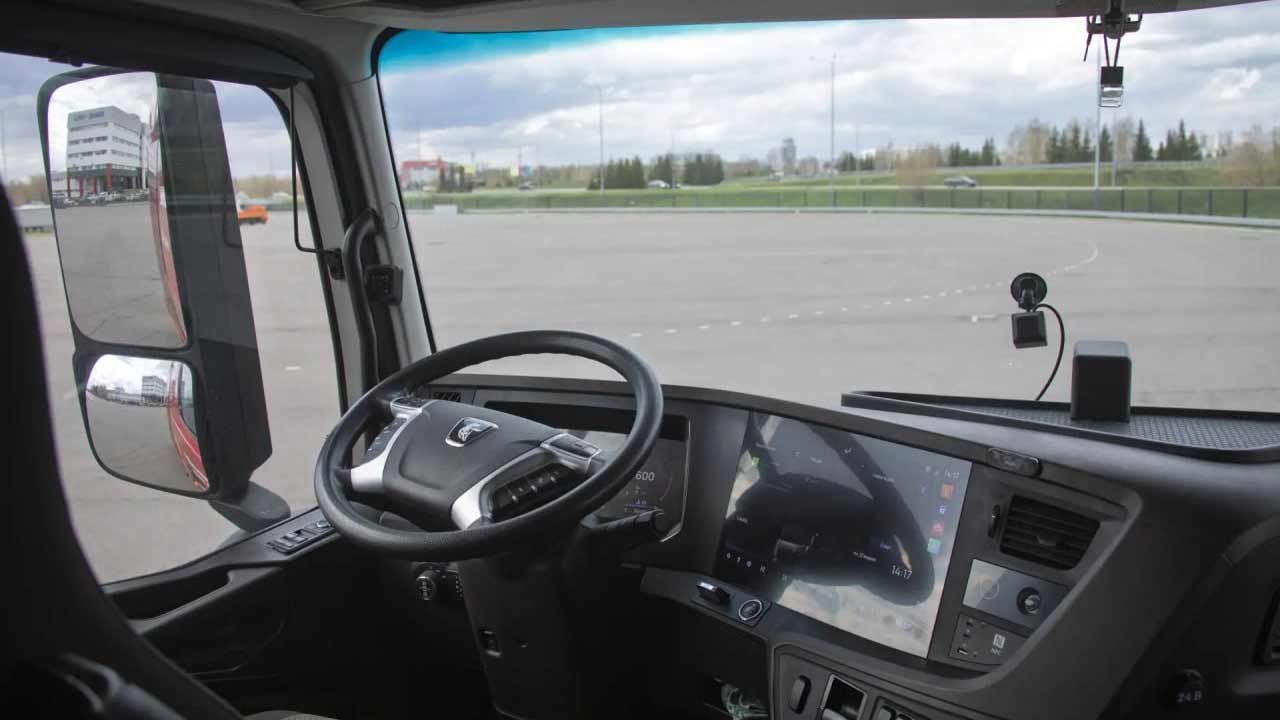
Fleet of 19 Mayak-series vehicles already hauling commercial cargo on major Russian highways; manufacturer aims to eliminate the need for a driver in the cab by 2028
The autonomous trucks developed by KAMAZ have left the purely experimental phase and started hauling commercial cargo on Russian highways.
Currently, 19 vehicles from the Mayak series are being used in real logistics operations, including the transport of goods destined for major e-commerce platforms.
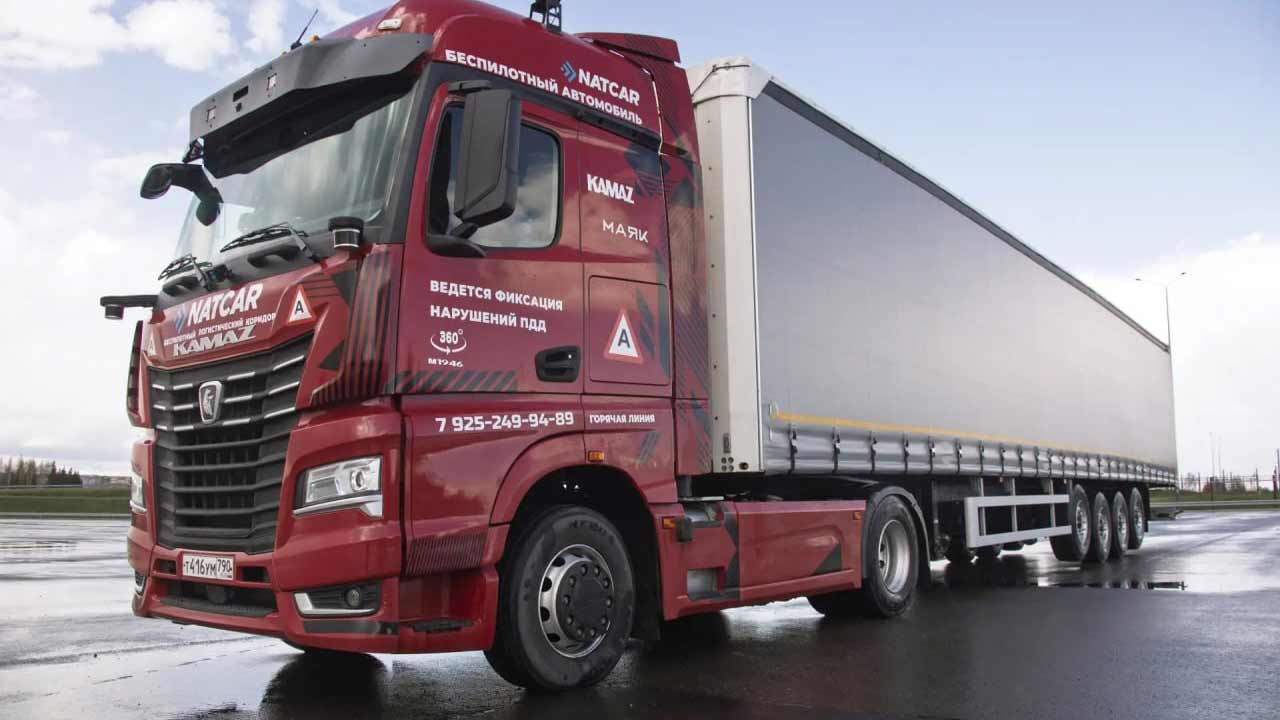
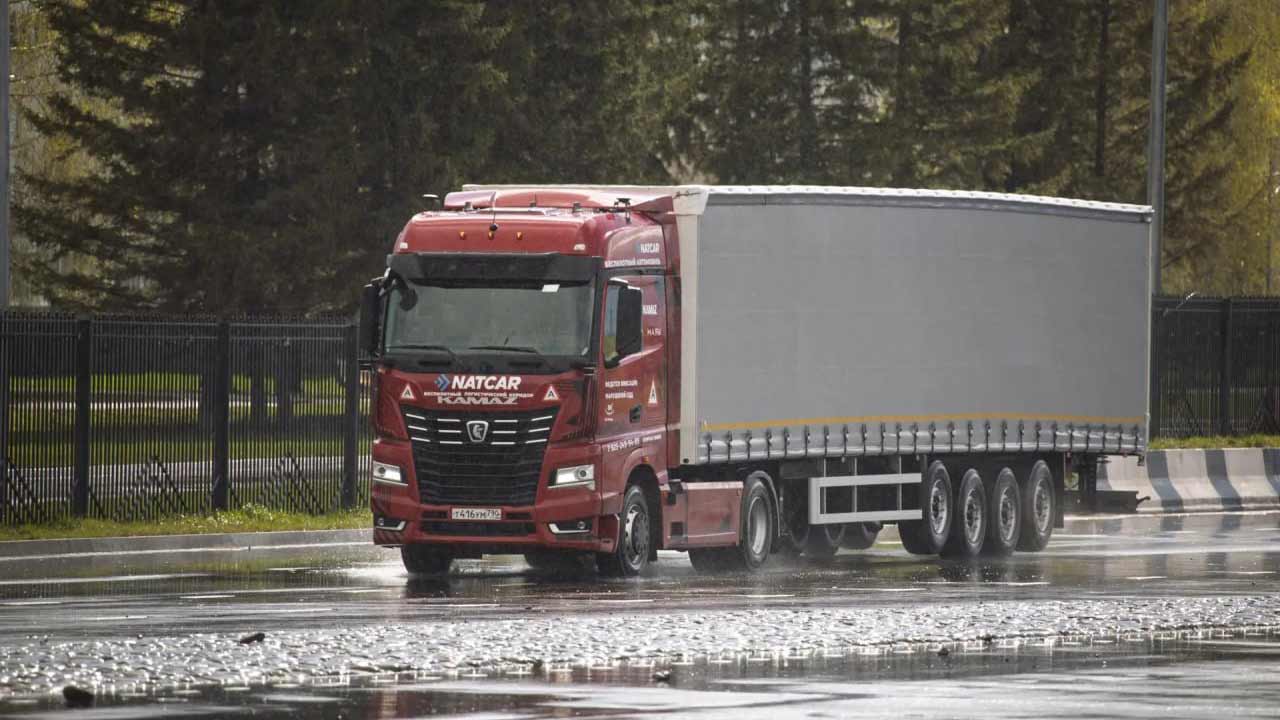
According to information published by the Russian news agency TASS and released by Rostec, the trucks travel on the M-11 and M-12 highways as well as the Central Ring Road, known by the abbreviation TsKAD.
These routes offer more suitable conditions for the gradual rollout of automated systems, with long stretches, controlled access points and infrastructure considered more predictable than that found in urban areas.
Trucks can operate up to 20 hours a day
One of the main benefits highlighted by those responsible for the project is the possibility of keeping each truck running for up to 20 hours a day.
Interruptions would mainly be for refueling, loading goods and technical checks on the vehicle.
According to KAMAZ, this model can increase truck utilisation intensity by approximately 2.5 times compared with conventional operation.
Cameras, radars and sensors have been improved
The current generation of trucks uses a combination of cameras, radars and lidar sensors to identify other vehicles, lanes, obstacles and various elements present on the road.
During the testing period, the range of the computer vision system was reportedly extended to 120 metres. The radars can detect objects at a distance of up to 180 metres, while the reported range for the lidar is also 120 metres.
The data obtained by the sensors is analysed by the onboard system, which controls functions such as acceleration, braking, distance from other vehicles and lane keeping.
According to the developers, the programs and algorithms used in the trucks were produced in Russia. Local development is considered strategic for reducing dependence on foreign suppliers.
KAMAZ states no accidents caused by the system have been recorded
KAMAZ reported that no accidents caused by the autonomous trucks have been recorded during operation on federal highways.
The company also reported situations in which other drivers apparently made close approaches or improper manoeuvres around the vehicles, seemingly to observe how the automated systems would react.
The developers recommend that drivers maintain predictable behaviour when travelling near the trucks, keeping a safe distance and avoiding sudden lane changes.
Although the vehicles are already carrying out commercial operations, the complete removal of the driver from the cab is only planned for 2028. Until then, the trucks are expected to continue operating with some level of human monitoring or supervision.
Source: TASS and Rostec. Image: Telegram @rostecru. This content was created with the help of AI and reviewed by the editorial team.
