
The Maritime Self-Defense Force’s electromagnetic cannon enters a new phase of development aimed at real-world deployment
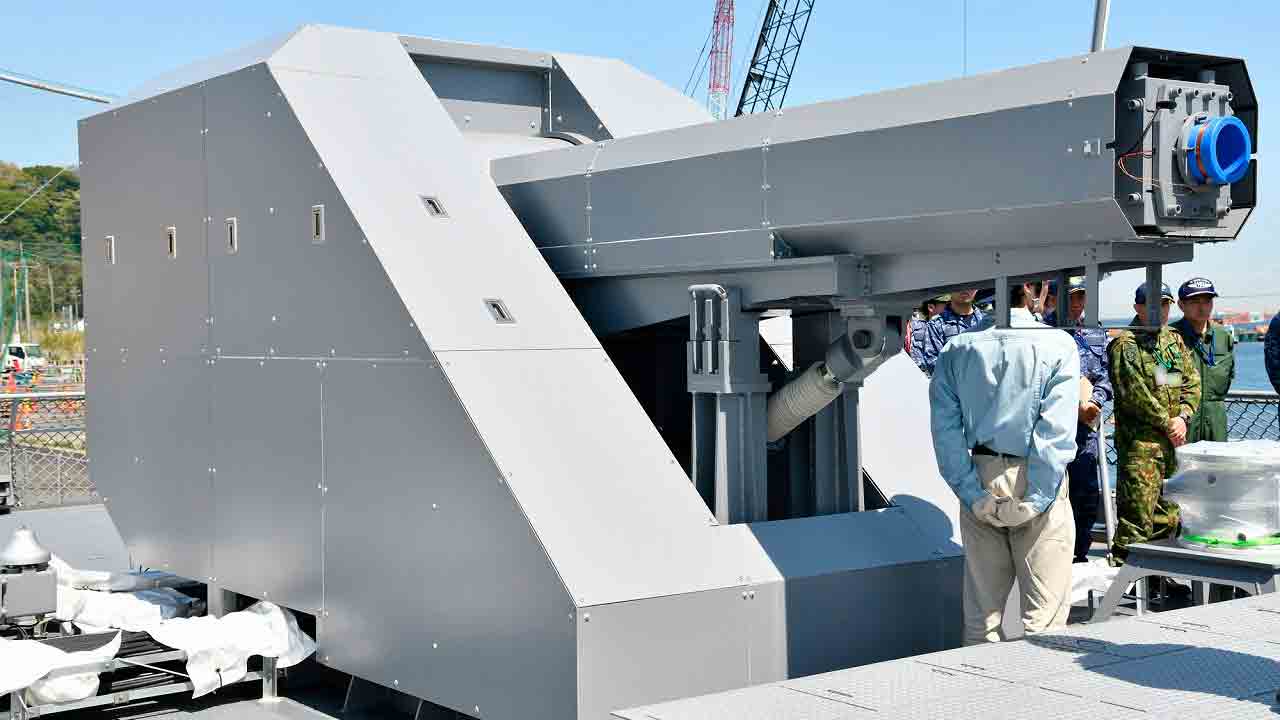
On April 18, 2025, Japan’s Maritime Self-Defense Force (JMSDF) officially released an image of its advanced railgun currently undergoing testing aboard the test vessel JS Asuka. The disclosure marks a new milestone in the electromagnetic cannon development program led by Japan’s Ministry of Defense.
+ Germany to supply 120 Soviet-made IGLA systems to Ukraine
The project is headed by the Ground Systems Research Center (GSRC), a division of the Acquisition, Technology and Logistics Agency (ATLA). Launched in 2016, the development is based on the “Research on Electromagnetic Acceleration Systems” project, which continued through fiscal year 2022. The goals of the first phase included achieving an initial velocity of 2,000 meters per second and ensuring a barrel life of 120 shots—targets that ATLA says have already been successfully met.
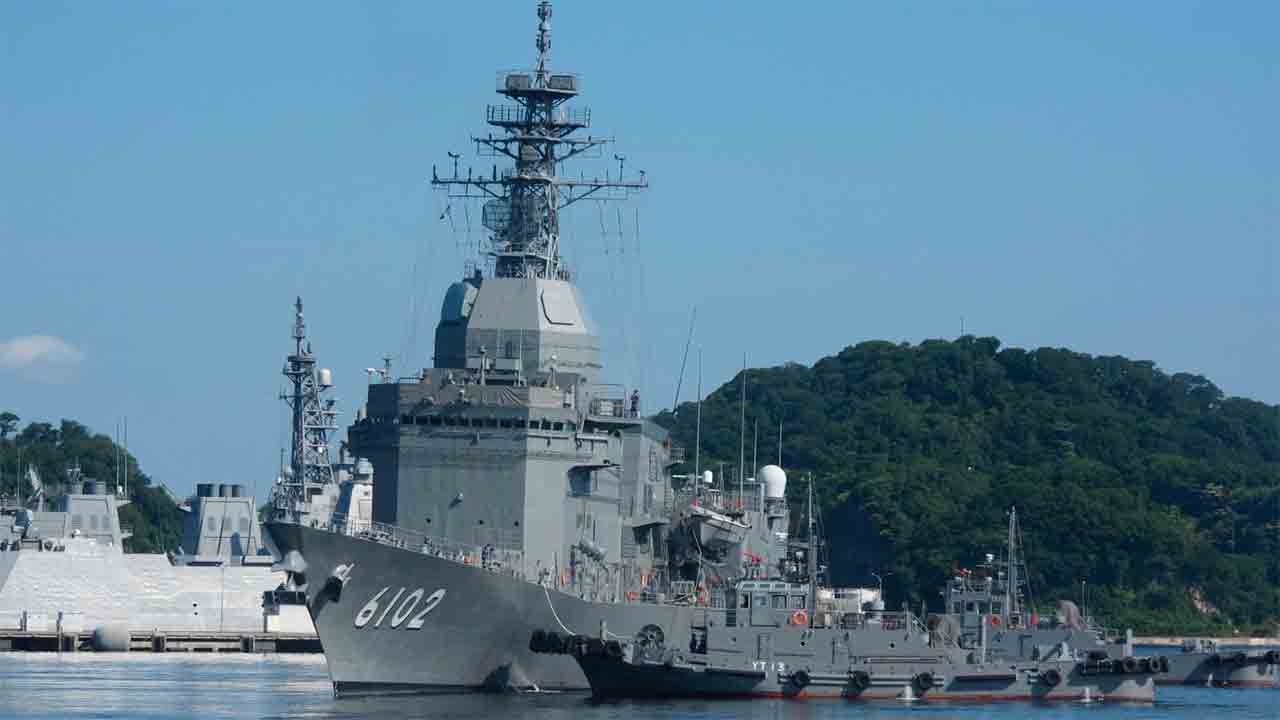
Unlike conventional weapons that suffer damage from gunpowder combustion, Japan’s railgun faced technical challenges related to the heat generated by electric current and rail-to-projectile wear. Originally made of copper, the rails were improved with metal alloys that better resist thermal corrosion, allowing the cannon to fire 120 rounds without significant performance loss.
The first live-fire test at sea was conducted in October 2023. Since then, the project has moved into a new phase titled “Research on the Future Railgun,” scheduled to run through 2026.
This phase focuses not only on firing performance, but also on integrating a complete weapons system, including:
- Continuous fire capability
- Adapted fire control system
- In-flight projectile stabilization
Projectile accuracy and aerodynamic stability have become top priorities, since even hypersonic speeds lose effectiveness if the projectile quickly decelerates due to air resistance. Improving in-flight stability not only increases range but also enhances the weapon’s lethality.
Another key aspect of development is the fire control system. The railgun requires a specialized system to predict trajectories, calculate impact points, and coordinate targets using external sensors. ATLA is developing a dedicated architecture that takes into account the unique characteristics of the weapon, such as its extremely high firing speed.
One of the biggest challenges, however, remains: energy generation and storage. Since each shot requires extremely high electrical current, the railgun needs a robust yet compact power supply—especially for shipborne or ground-based applications. For this reason, the current phase of the project also invests in miniaturizing these systems.
Source and images: Japan Ministry of Defense / JMSDF / @MICHIYAM / @JMSDF_SDF_ENG. This content was created with the help of AI and reviewed by the editorial team.
