
South Korean brand presents the VENUS and EARTH concepts as part of a new strategy to conquer the competitive Chinese new energy vehicle market
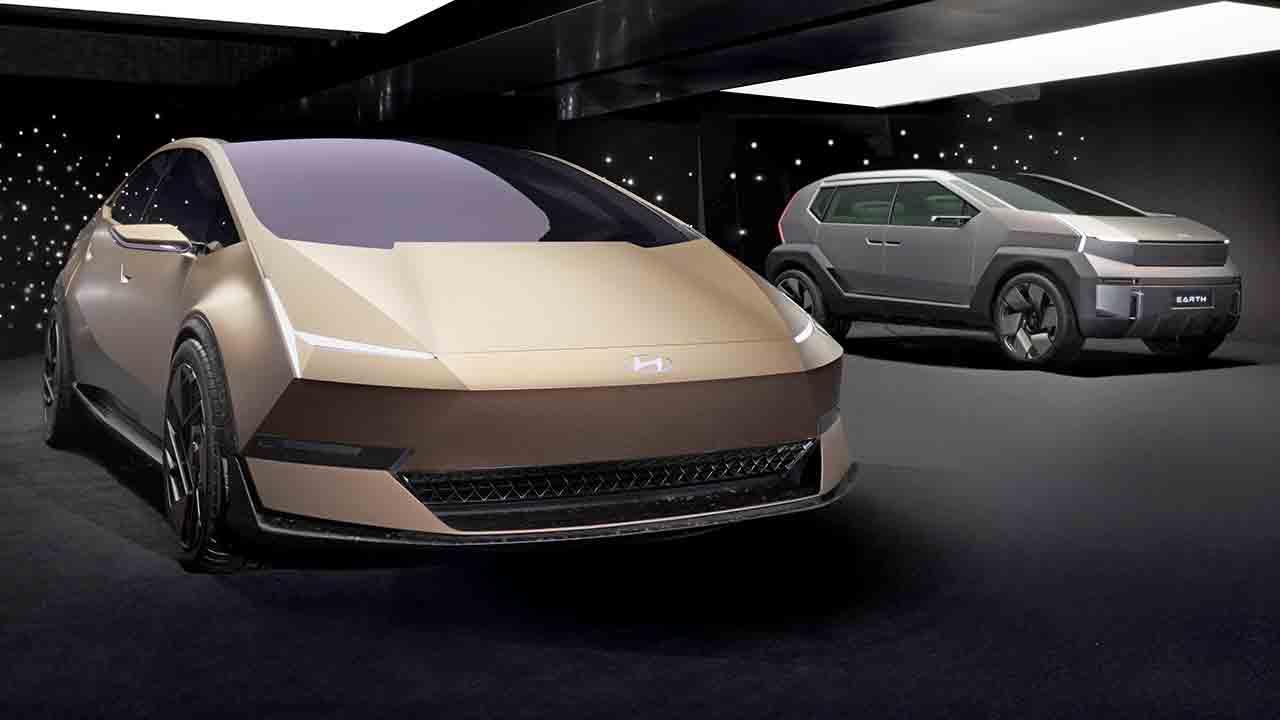
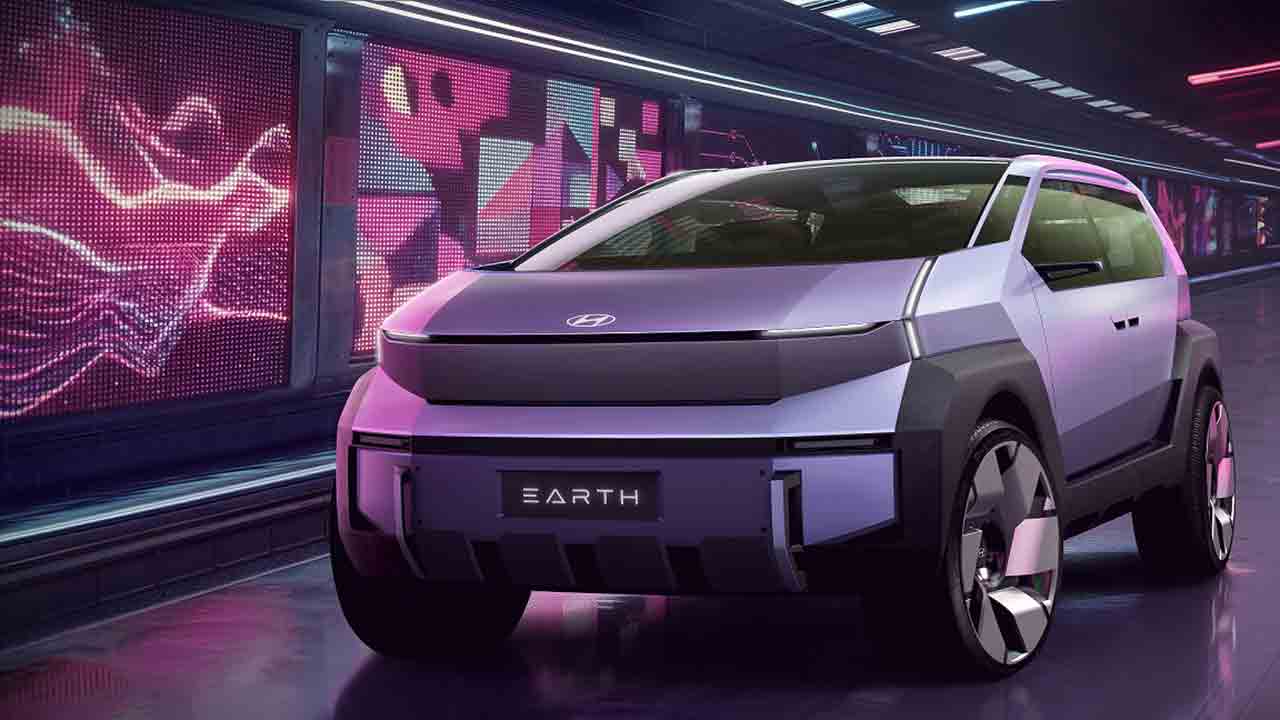
Hyundai Motor Company officially announced the launch of its fully electric IONIQ lineup in China and used the brand presentation event in Beijing to unveil two new concept cars: the VENUS Concept sedan and the EARTH Concept family SUV.
The initiative marks a new step for the South Korean automaker in the world’s largest and most competitive new energy vehicle market. The presentation took place ahead of Auto China 2026, which will be held on April 24, reinforcing Hyundai’s intention to expand its local presence with products, services, and experiences specifically tailored to the Chinese consumer.
According to the company, the IONIQ lineup in China will not just be a range of electric vehicles, but a mobility ecosystem designed to meet the demands of an increasingly connected and demanding audience.
The strategy includes localized technologies, digital experiences, and a new naming convention inspired by planets, symbolizing the idea that each vehicle orbits around the customer.
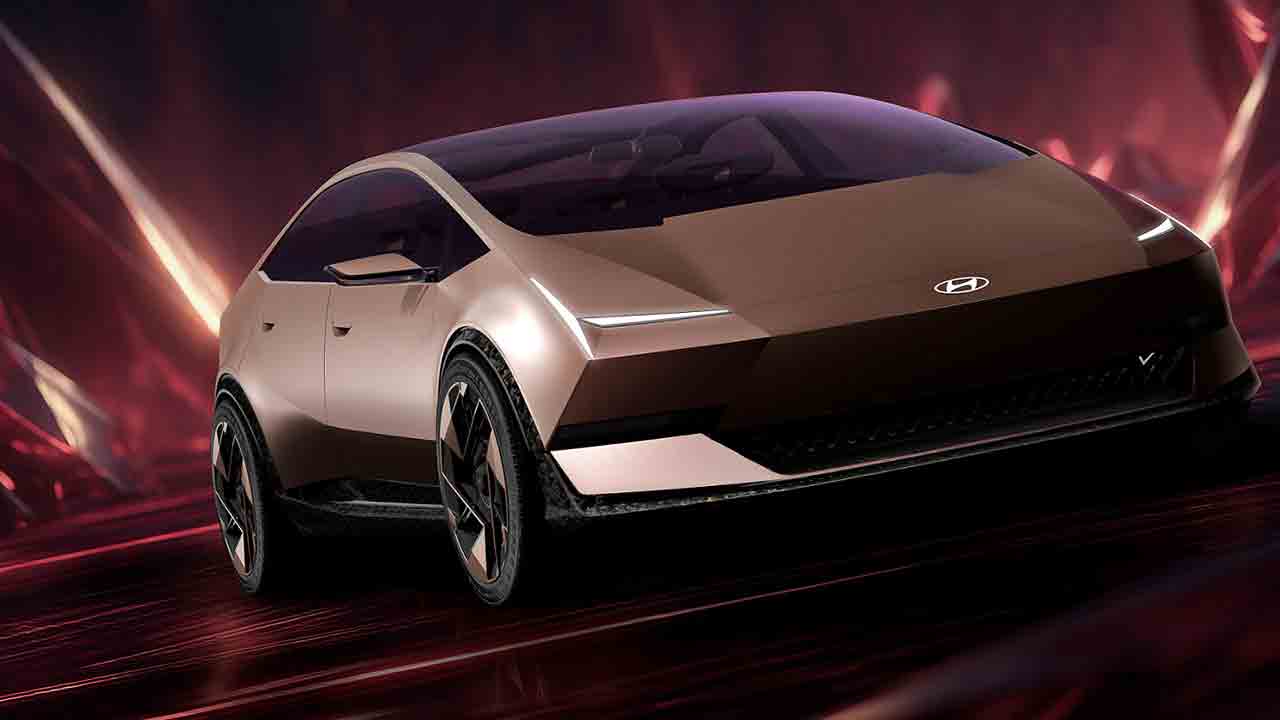
The two concepts revealed are the first concrete signs of this new phase. The VENUS Concept emerges as a sedan with a more sophisticated and emotional approach, featuring a “Radiant Gold” finish, a lightweight roof structure, a transparent spoiler, and a single-curve silhouette that aims to convey elegance and a striking identity.
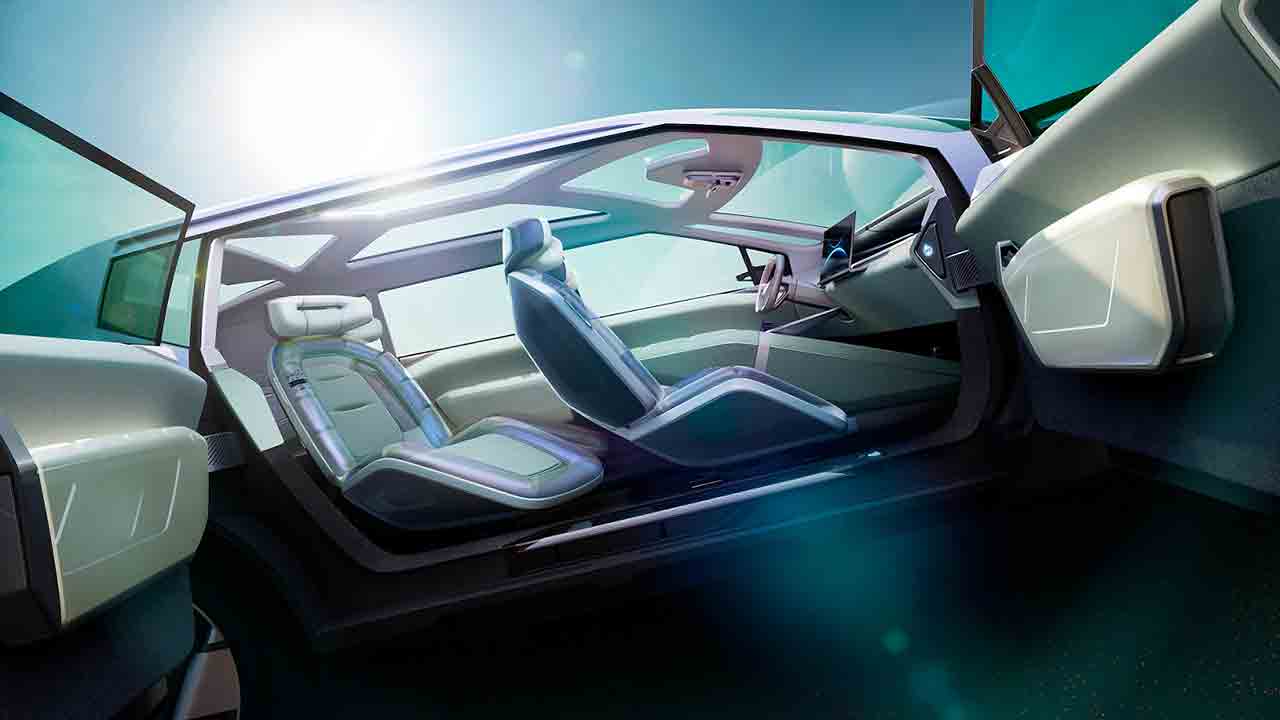
Inside, the concept focuses on an immersive, driver-oriented cockpit, with layered ambient lighting and a combination of premium materials, including soft suede and gold-toned chrome elements. The goal is to create a more refined and technological in-cabin experience.
The EARTH Concept, on the other hand, represents Hyundai’s vision for a family electric SUV with a robust and futuristic design. The model was presented in the “Aurora Shield” color and combines muscular volumes, angular lines, protective plates, and exposed details that reinforce its utilitarian character.
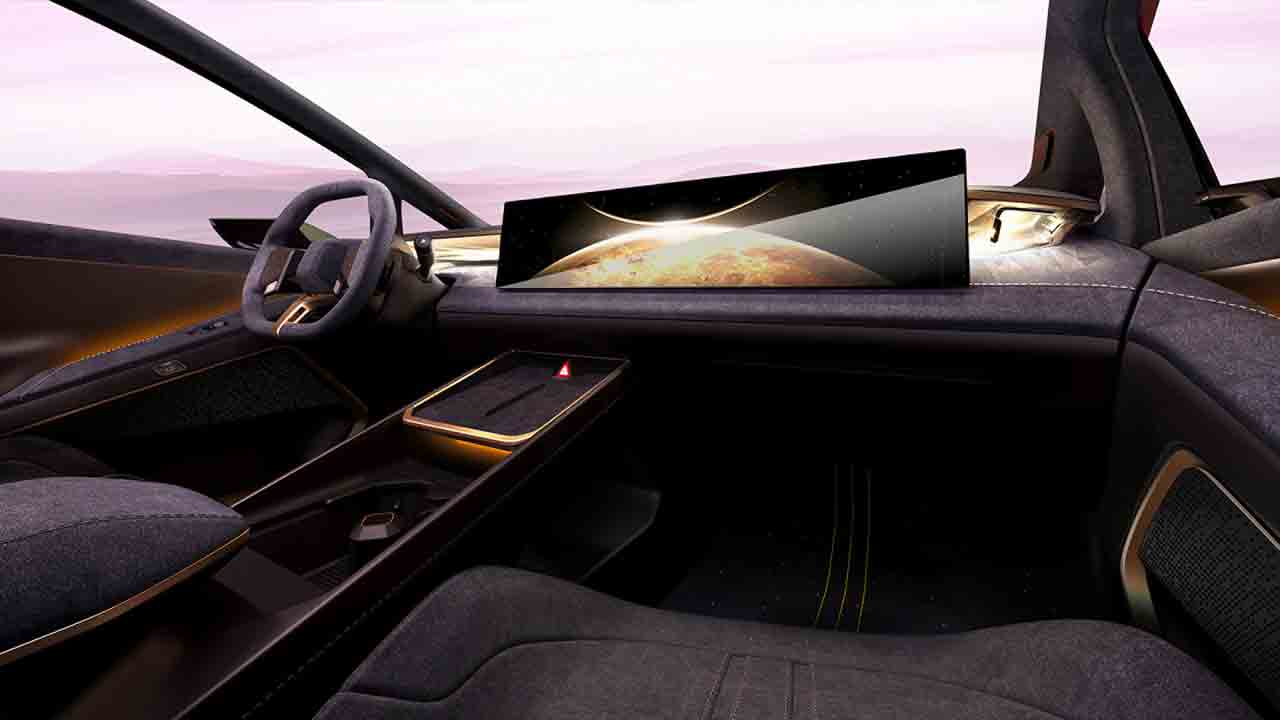
Inside, the EARTH focuses on comfort and a sense of warmth, with “air-hug” seats made of soft air modules, lighting inspired by tree shadows, and “shy-tech” solutions, where technology is more discreet and integrated into the environment. The cabin also features visual elements that reference Beijing, reinforcing the focus on the local market.
Hyundai also highlighted that the IONIQ lineup has already gained strong global recognition with models such as IONIQ 5, IONIQ 6, and IONIQ 9, along with important international awards. The goal now is to turn this reputation into a more aggressive push in China by adapting its electric vehicles to the profile of local consumers without compromising global standards of safety and quality.
With the debut of the VENUS and EARTH concepts, Hyundai signals that it intends to compete more strongly for space in China’s electric vehicle segment, betting on design, connectivity, and a strong brand identity to stand out in an increasingly competitive market.
+ Nuclear submarine is taken out of service by the U.S. Navy after billion-dollar losses
Source and images: Hyundai. This content was created with the help of AI and reviewed by the editorial team.
