
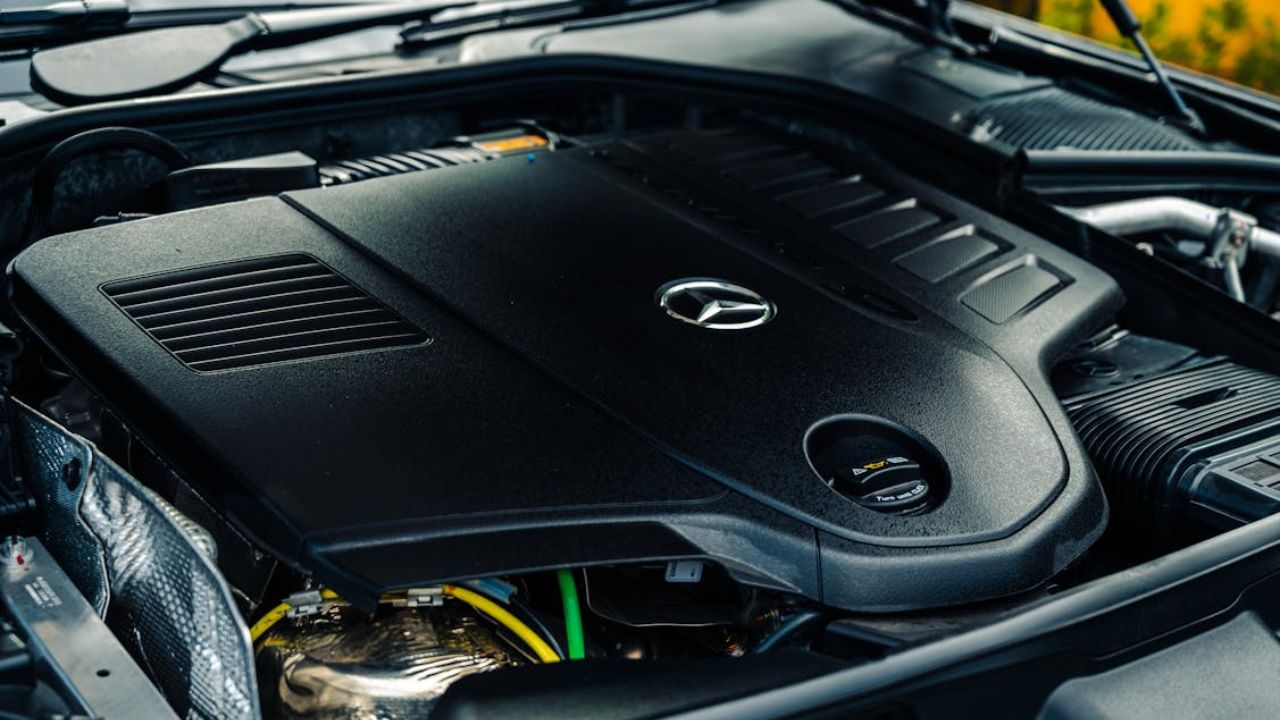
The European Union’s executive branch, the European Commission (EC), has stated that it is working to accelerate the goal of banning diesel or gasoline cars by 2035.
The European Commission (EC), the executive arm of the European Union, reaffirmed its goal to ban the sale of new gasoline or diesel cars in Europe by 2035.
“The Commission will also accelerate work on the planned review of the CO₂ Standards Regulation for cars and vans,” said the EC, adding that there may be future revisions to the plan.
The European Union also explains that by 2030, carbon dioxide emissions should be reduced by up to 55%, before the ban is fully enforced.
The EU will ease the reduction targets for car manufacturers to assist companies in the transition and in meeting interim goals.
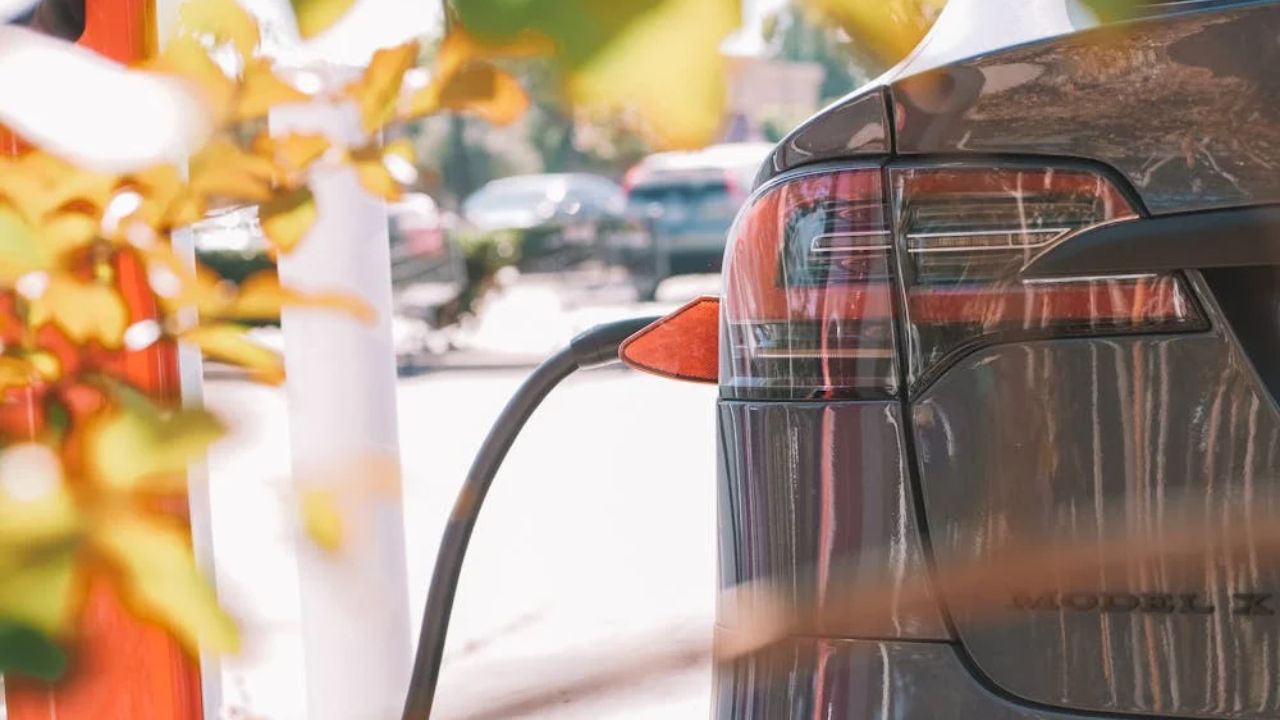
Manufacturers will be able to meet the targets on a three-year average, between 2025 and 2027. If the limit is exceeded in one year, they will still be able to offset it in the following years to avoid penalties.
In order to accelerate the reduction of CO₂ emissions, the European Union is also investing in the production of electric vehicle batteries to make electric cars more affordable, through the “Battery Booster” program, valued at $1.95 billion.
Car manufacturers are also focused on making EVs more accessible, with the launch of low-cost electric models such as the Citroën e-C3, Volkswagen ID.1, and the new electric car from Dacia, which will cost below $19,500.
Photos: Pexels. This content was created with the help of AI and reviewed by the editorial team.
