
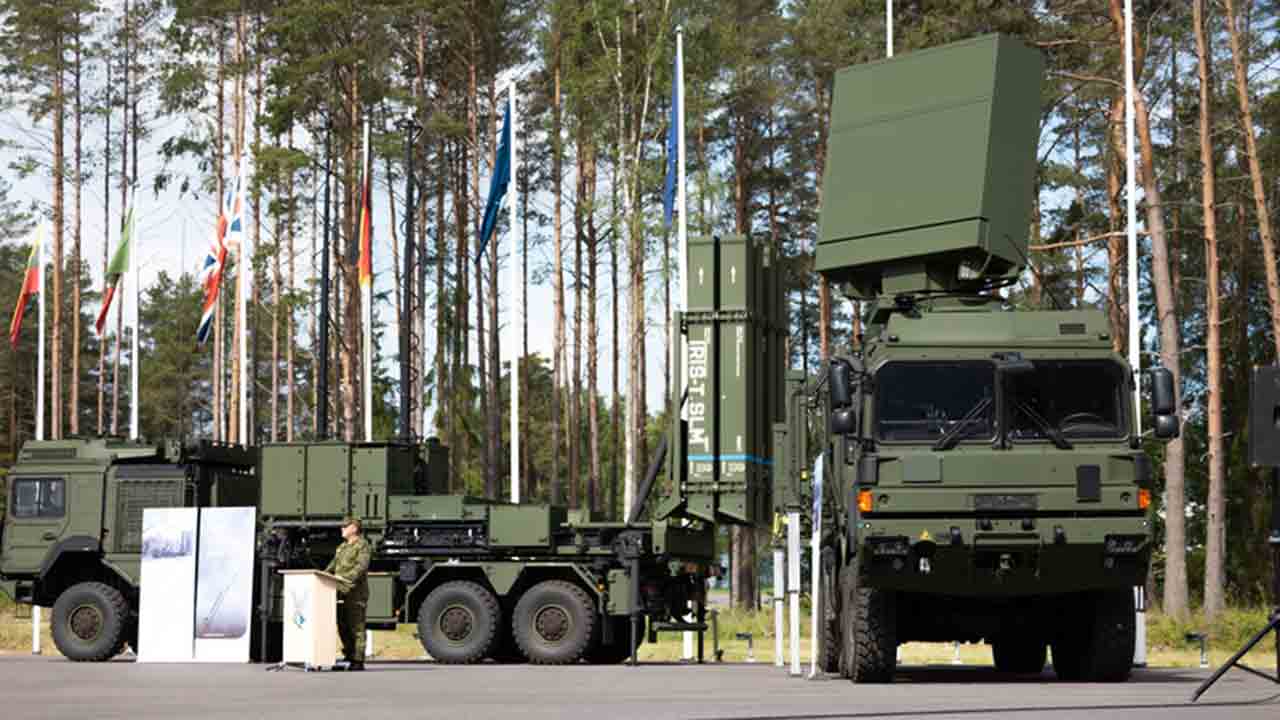
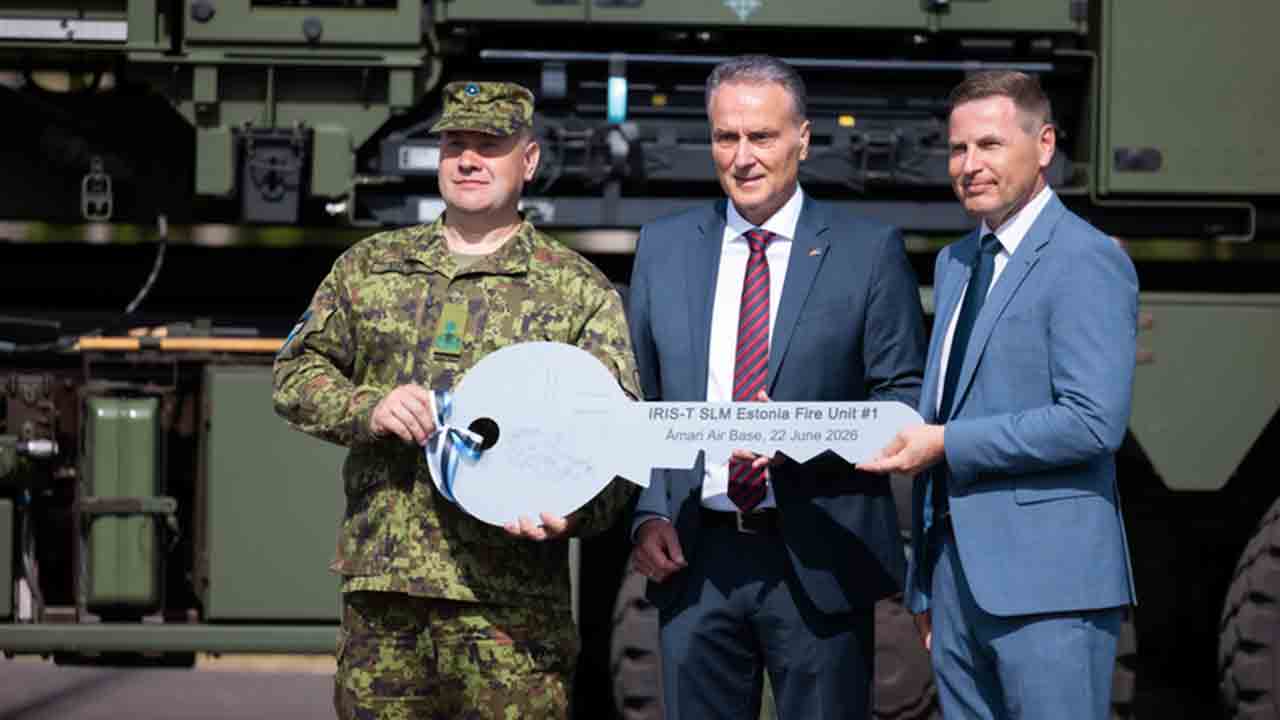
The delivery took place on Monday (22) at Ämari Air Base, where Estonia’s Air Defense Wing received the first unit of the system produced by German company Diehl Defence. The acquisition was managed by the Estonian Centre for Defence Investments under a joint agreement signed with Latvia in 2023.
In practical terms, the new system significantly upgrades Estonia’s air defense capabilities. Until now, the country primarily relied on short-range systems designed to counter nearby threats. With the IRIS-T SLM, Estonian forces now possess a capability able to engage targets at ranges of up to approximately 40 km and altitudes of up to 20 km.
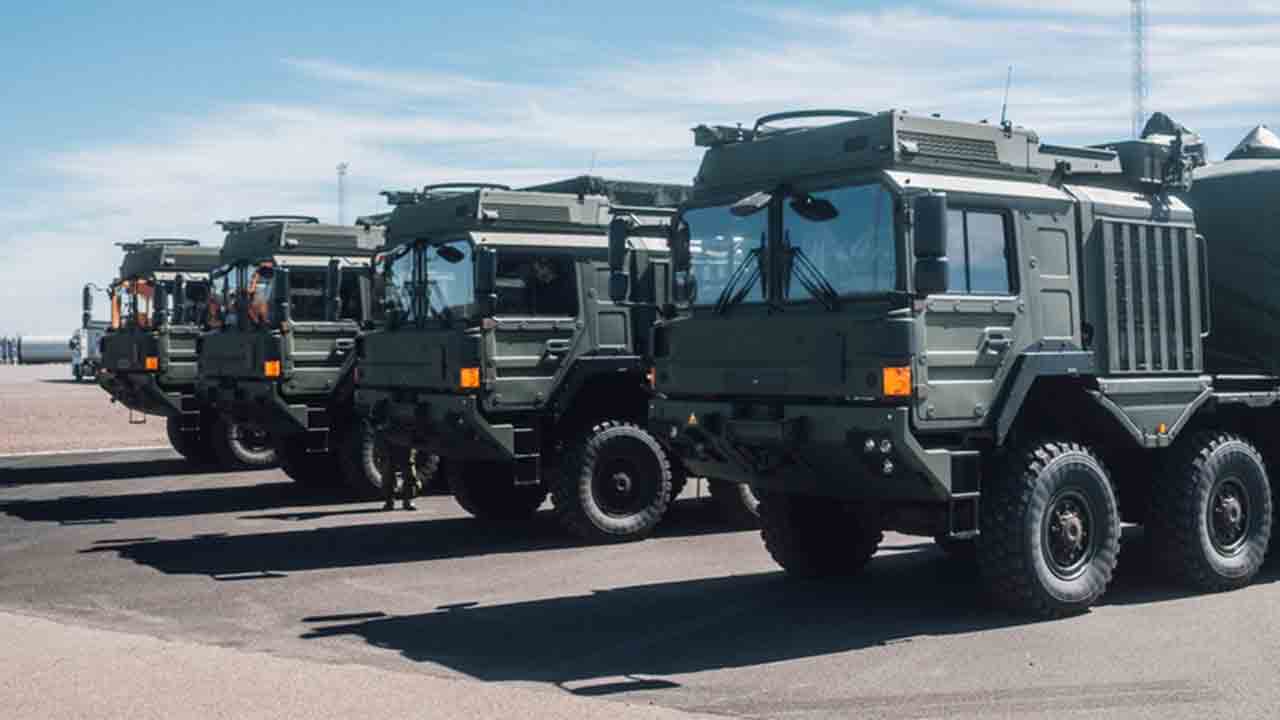
What makes the system particularly notable is not just the missile itself, but the entire package mounted on mobile vehicles. A firing unit typically includes launchers, radar, a tactical control center, and support vehicles for reloading, maintenance, and spare parts. Particular attention is drawn to the launchers mounted on military trucks, with missile containers positioned at an angle and ready to be rapidly redeployed according to battlefield conditions.
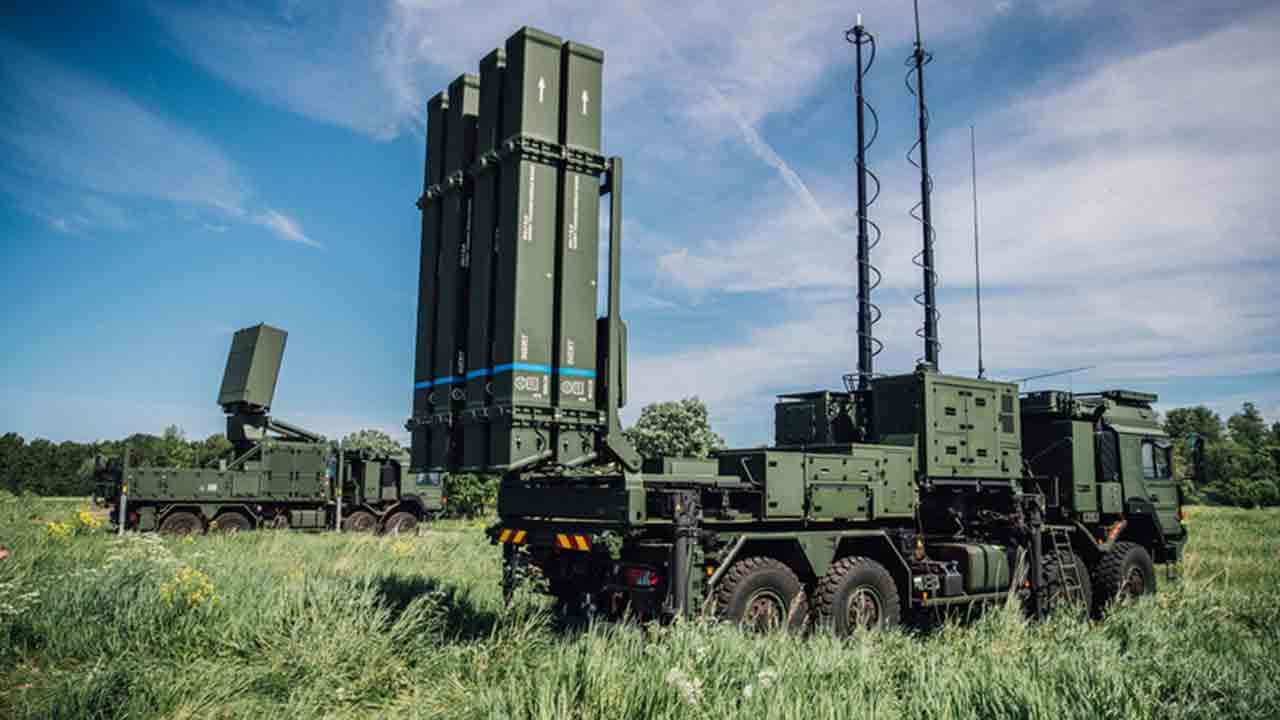
According to Estonian Air Force Commander Brigadier General Riivo Valge, the arrival of the system represents a “qualitative leap” for the country’s air defense. He stated that the greatest advantage lies in its engagement altitude, making it more difficult for hostile aircraft to fly above Estonia’s defenses and forcing any potential adversary to rethink attack routes.
This is precisely the key importance of the IRIS-T SLM. The logic is simple: a short-range system provides close protection, while a medium-range system expands the defensive bubble and enables forces to react before aircraft, helicopters, or cruise missiles reach sensitive areas. This increases protection for troops, cities, military bases, and critical infrastructure.
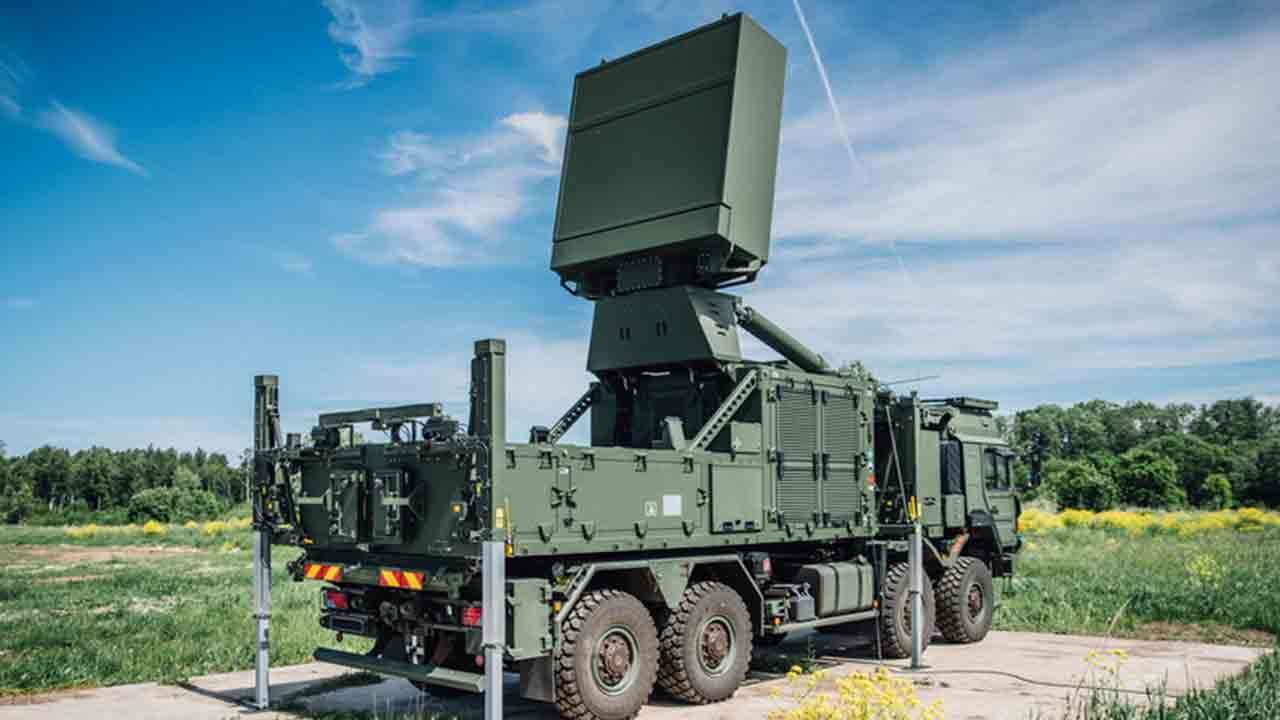
The IRIS-T SLM gained significant international attention during the war in Ukraine, where it became regarded as one of the most important Western systems for defending against Russian air attacks. Its combat performance has helped boost European interest in the system at a time of growing demand for air defense capabilities.
Estonian Defense Minister Hanno Pevkur emphasized that the war in Ukraine clearly demonstrated the central role of air defense in protecting populations, military units, and infrastructure. For Tallinn, the system’s arrival also carries political significance: Estonia is a Baltic NATO member located in a region directly exposed to Russian military pressure.
The geopolitical context helps explain the urgency. Since Russia’s full-scale invasion of Ukraine in 2022, the Baltic states have accelerated defense investments. Estonia, Latvia, and Lithuania are NATO members, but they have relatively small territories, sensitive borders, and a historical reliance on allied air protection. As a result, building national layers of air defense has become a strategic priority.
The joint procurement with Latvia also fits into this strategy. By standardizing systems, the two countries can simplify training, maintenance, logistics, and operational coordination. The move also aligns with broader European efforts to rebuild air defense capabilities after decades during which many countries reduced inventories and investments in this area.
According to Elmar Vaher, Director General of the Estonian Centre for Defence Investments, Estonia has purchased three firing units for its Defense Forces. The first has already arrived, while the remaining units are expected to be delivered next year. Before entering full operational service, the system will still require operator training and integration with other Estonian and allied units.
For Diehl Defence, the delivery also carries symbolic value. Europe’s air defense market is under significant pressure due to growing demand, particularly following the extensive use of drones, missiles, and attacks on infrastructure during the war in Ukraine. According to the company, every system delivered strengthens not only the purchasing nation but also NATO’s overall defense architecture.
Estonia’s Air Defense Wing was established on July 1, 2023, within the country’s Air Force. Its mission is to plan and conduct active air defense operations while training reservists for service in this field. The first recruits assigned to the new structure are expected to begin service in July.
With the arrival of the IRIS-T SLM, Estonia has not yet closed all the gaps in its air defense network, but it has taken a decisive step toward building a more robust protective layer. In a region where minutes can make a difference, mobility, range, and integration with allies become just as important as the missile itself.
+ Russia adapts Mi-28NM attack helicopter to face growing drone threat
Source and images: Estonian Defence Forces, Estonian Ministry of Defence, ECDI, and Diehl Defence. This content was created with the assistance of AI and reviewed by the editorial team.
