
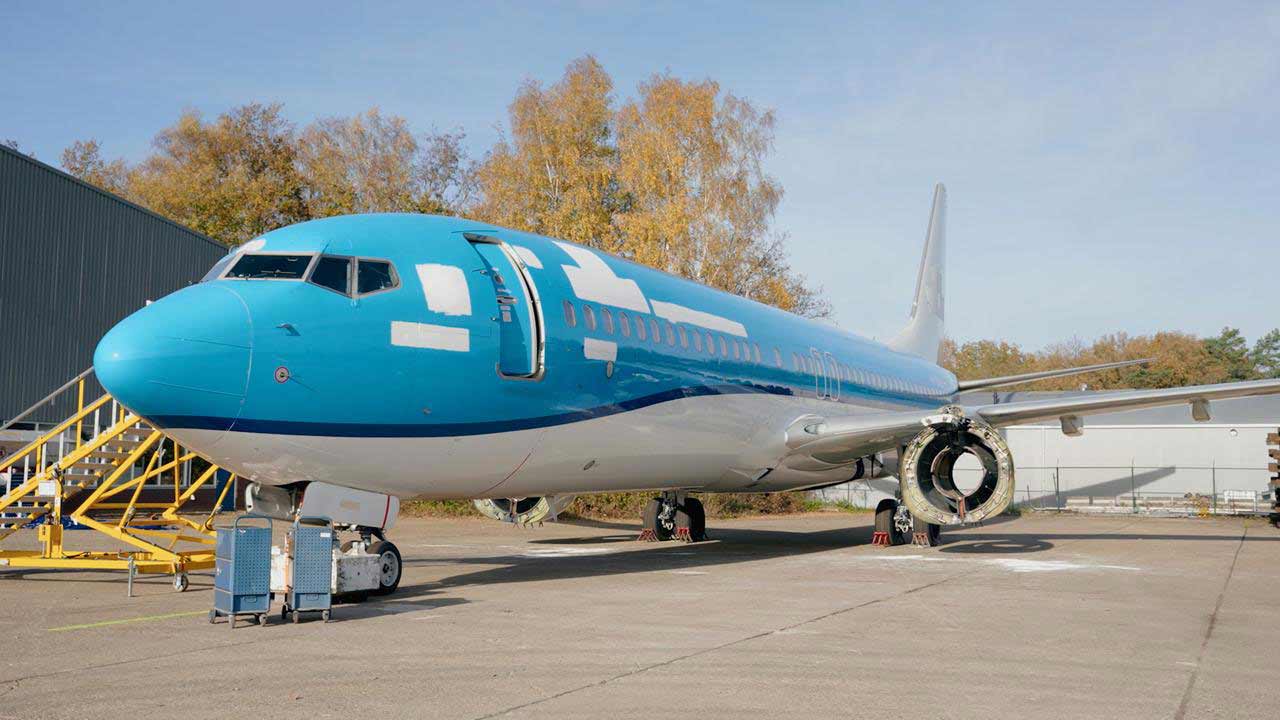
KLM Royal Dutch Airlines has launched one of the most significant fleet renewal programs in its history by officially retiring its first Boeing 737-800, marking the beginning of the end of an era that spanned decades.
The Dutch carrier, a long-standing operator of Boeing aircraft, has begun the gradual phase-out of nearly 40 units from the 737 family.
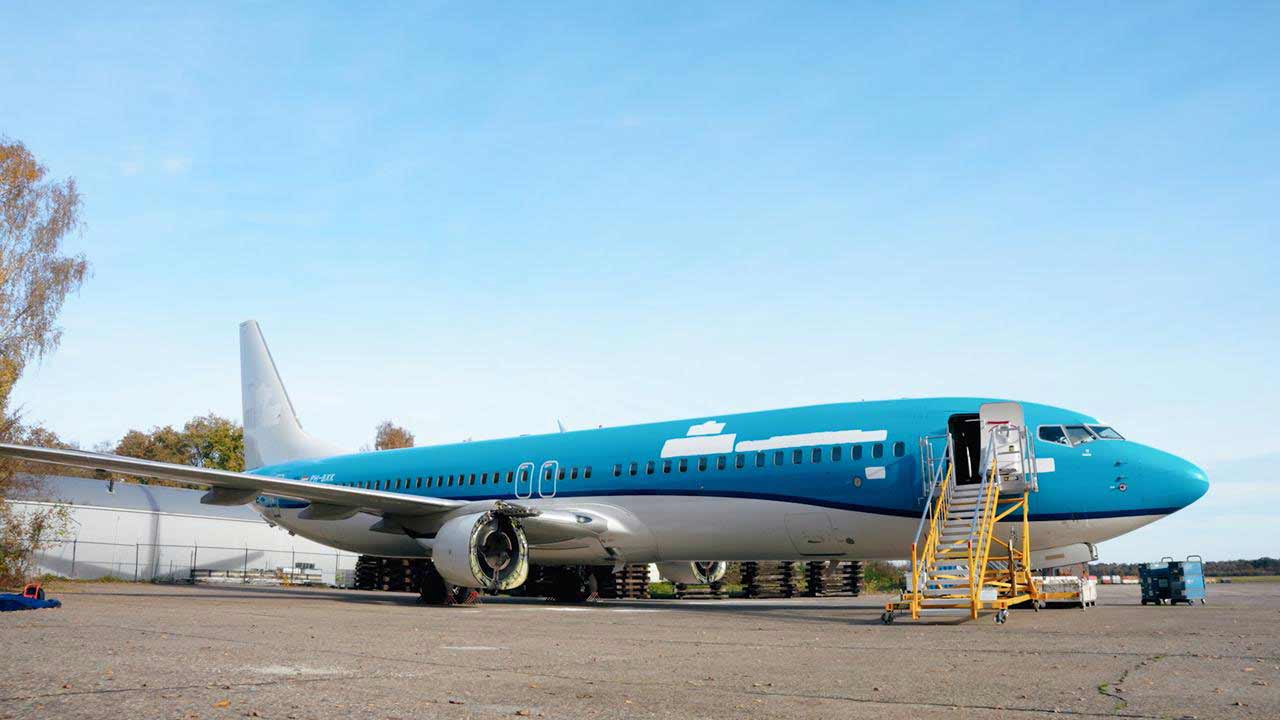
The first jet to leave the fleet was PH-BXK, an aircraft that served KLM for almost 25 years on European routes. The airplane was transferred to Twente Airport, where it will be dismantled by the specialized company AELS.
According to KLM, both engines and the auxiliary power unit (APU) have already been removed and will be reused on other aircraft still in operation, extending their service life within the airline.
+ Video shows the beginning of the dismantling of KLM’s first Boeing 737-800
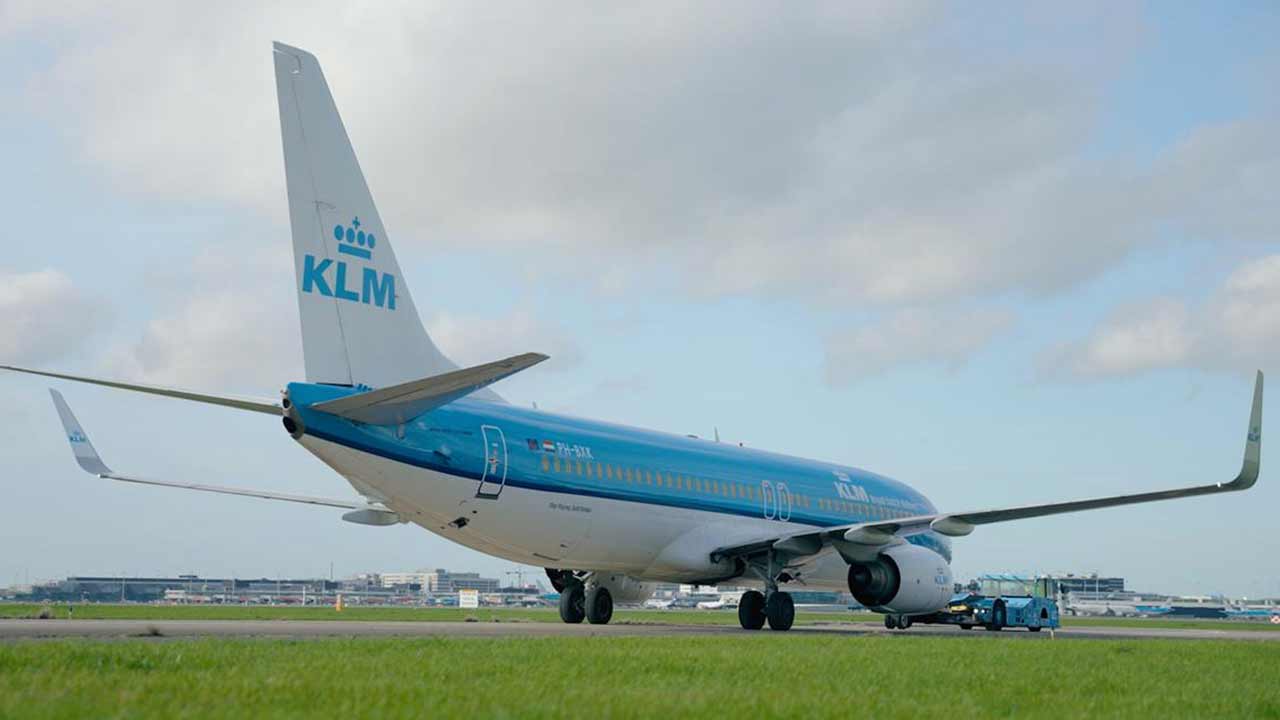
The retirement of PH-BXK is part of the renewal plan announced in 2022, valued at 7 billion euros, which aims for a complete modernization of the single-aisle fleet. The shift represents a historic milestone: after decades flying exclusively with Boeing narrowbodies, KLM is transitioning to Airbus.
So far, the airline has already received eleven Airbus A321neo jets, the model that will gradually replace the 737-800. The new aircraft stand out for being more efficient, quieter, and less polluting, contributing to the airline’s environmental and operational goals.
The transition will continue at an accelerated pace. In January, KLM is expected to retire its second Boeing 737-800, which will also be sent to Twente for dismantling. The fleet renewal program will cover all of the airline’s routes and stands among the largest investments in KLM’s history.
Source and images: KLM Royal Dutch Airlines. This content was created with the help of AI and reviewed by the editorial team.
