
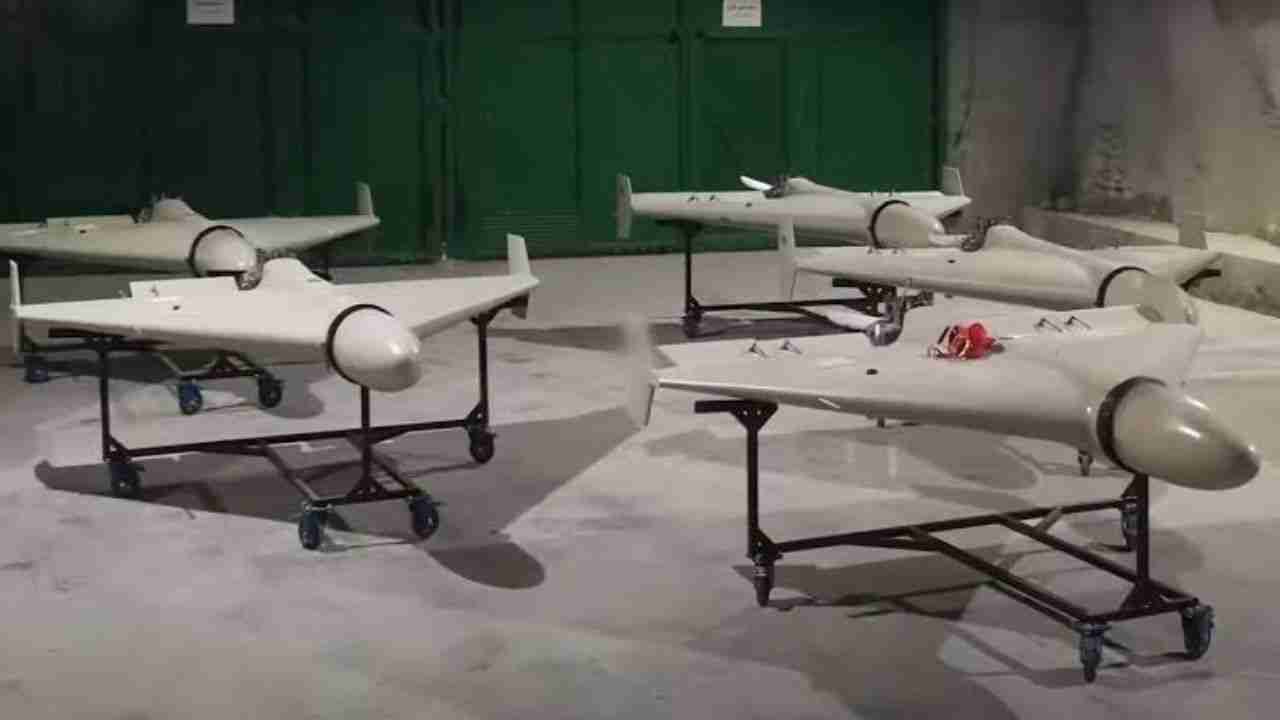
U.S. authorities claim that Cuba has acquired more than 300 military drones from Russia and Iran since 2023, increasing Washington’s concerns over the presence of offensive equipment in the Caribbean region.
According to information published by Axios, the drones were reportedly positioned in strategic areas across the island, while Cuban military officials were allegedly discussing possible scenarios for their use against American targets.
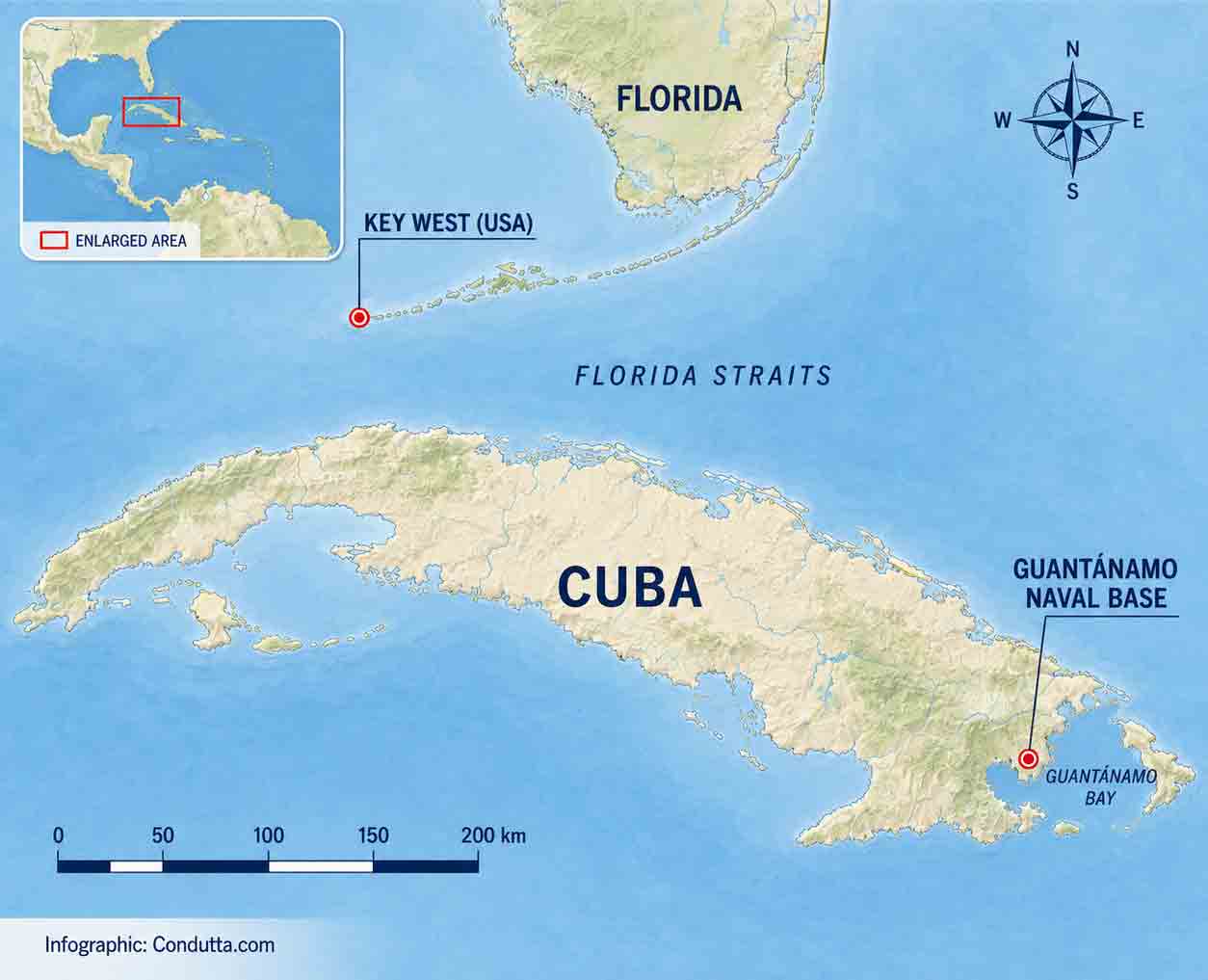
U.S. intelligence reports indicate that potential targets could include the Guantánamo naval base, American military vessels, and even the city of Key West in Florida. Despite this, Washington says it does not consider Havana an immediate military threat, although it acknowledges that worsening tensions between the two countries could increase the risk of confrontation.
The U.S. government also accuses Cuba of deepening military cooperation with Russia and Iran, including recent attempts to purchase additional drones and military equipment. Sources linked to U.S. intelligence further claim that Cuban agents are studying Iranian strategies for confronting Americans, particularly the use of drones in modern warfare.
In addition, U.S. authorities estimate that up to 5,000 Cuban soldiers participated in Russia’s war against Ukraine, an experience that may have expanded Havana’s knowledge of drone operations. Amid rising tensions in the Caribbean, the United States has intensified reconnaissance flights near the island and is considering new sanctions against the Cuban government.
+ Last sixth-generation BMW M3 will feature manual transmission and 473 hp
Source: Militarnyi | Photo: X @Megatron_ron | This content was created with the help of AI and reviewed by the editorial team
