
A Chinese university student was arrested after taking unauthorized photos of U.S. military aircraft while traveling by car across several states.
Tianrui Liang, who studies in Glasgow, was arrested at New York’s John F. Kennedy International Airport on April 7 while attempting to return to Scotland, according to court documents filed in the Eastern District of New York.
According to the South China Morning Post, the 21-year-old was charged with photographing defense installations without authorization, which is prohibited under U.S. law.
The incident began on March 26, when Liang flew to Vancouver, Canada, to meet a friend studying at a university in New York. The two crossed into the United States in Washington state before the friend returned to New York for classes.
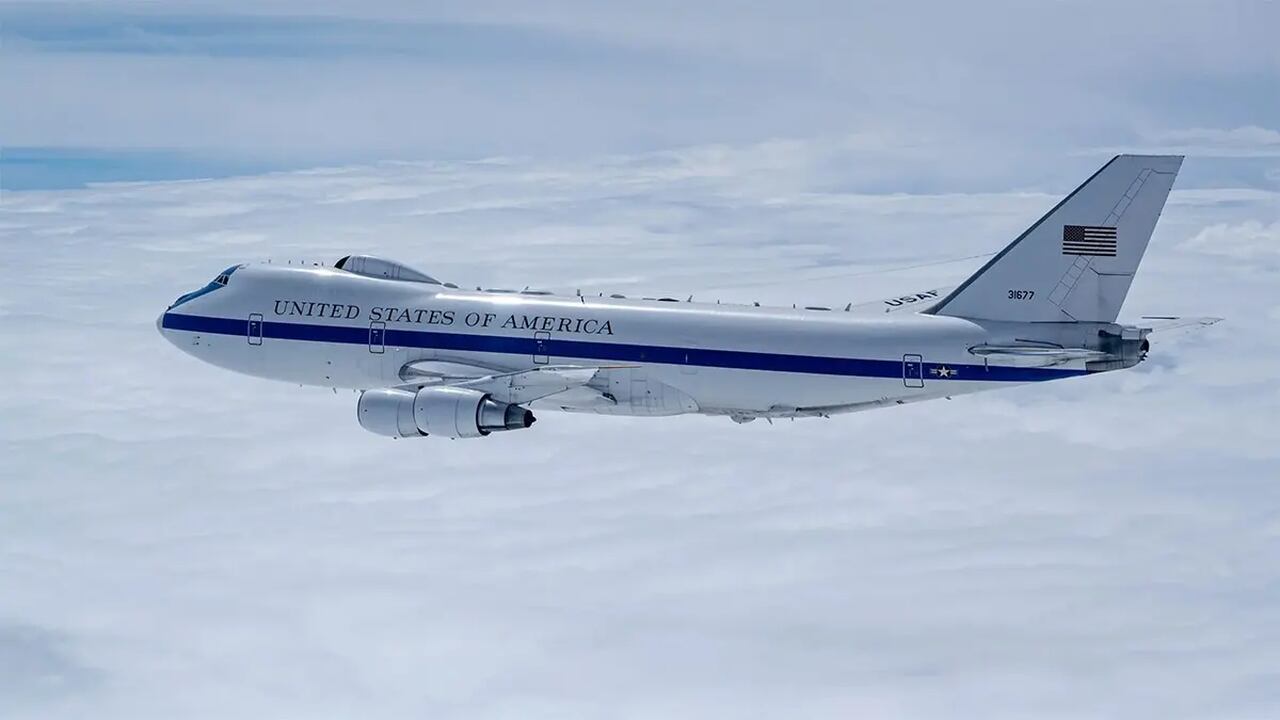
Liang then drove to Ellsworth Air Force Base in South Dakota and later to Offutt Air Force Base near Omaha, Nebraska, where he photographed several aircraft, including an RC-135 reconnaissance plane and an E-4B Nightwatch, according to the FBI.
A witness reported seeing a vehicle near the Nebraska base and a man holding a camera with a telephoto lens. The affidavit said Liang used a website that provided locations where individuals could view flight lines, along with guidance on where photography was permitted.
Liang told investigators it was “legal to take photos of the sky, but he knew it was illegal to take photos of aircraft on the ground.” The FBI said he admitted taking the photos but claimed they were for his personal collection.
“Liang had also heard that the FBI could seize his electronic devices and not return them if confiscated while photographing military bases,” the statement said, adding that his travel companion had warned him not to get into trouble while taking photos of military facilities.
Liang’s attorney, Jeffrey Thomas, declined to comment. Although Liang is not charged with espionage, his case comes amid broader concerns among some Chinese-American advocacy groups about scrutiny in U.S. espionage-related investigations.
Reviewing records under the Economic Espionage Act (EEE) between 1996 and 2020, a study by the Committee of 100 found significant disparities in how people of Asian and Chinese descent were treated, according to SCMP.
They concluded that about one in three Asian Americans accused of espionage may have been wrongfully charged, while individuals of Chinese and Asian descent received harsher sentences on average than defendants with Western surnames.
Photo: U.S. Air Force. This content was created with the help of AI and reviewed by the editorial team.
