
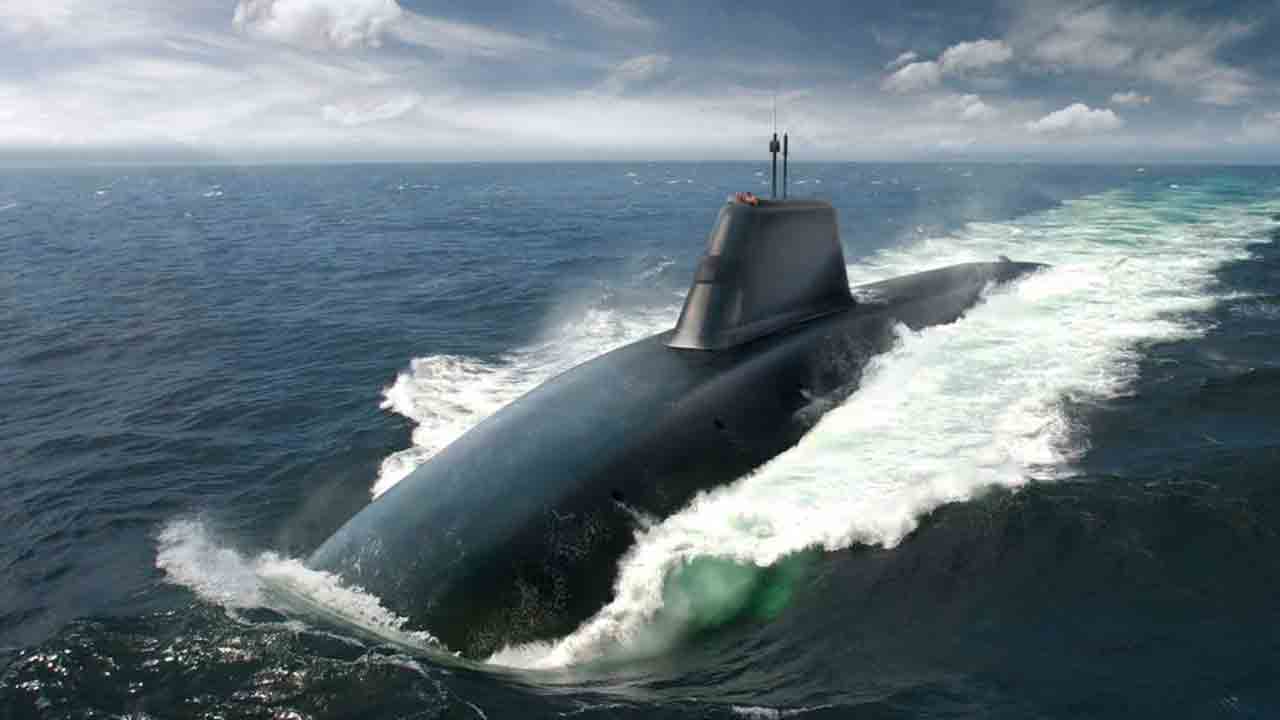
The UK Ministry of Defence has confirmed that the specialized steel used in constructing the Royal Navy’s new Dreadnought-class nuclear submarines is being imported from France.
The reason is the absence of British suppliers capable of producing the exact type of steel required for the pressure hulls of these strategic vessels.
+ Iraq receives first two H225M Caracal helicopters for military operations
The information was revealed through a written parliamentary response by Minister of State for Defence Maria Eagle to a question from MP Ben Obese-Jecty (Conservative – Huntingdon), officially published on Tuesday.
“There are no British suppliers of the specialized steel needed for the manufacture of submarine pressure hulls,” Eagle stated.
The minister explained that the UK’s submarine steel requirements are met through a mix of domestic and international suppliers, selected based on availability and technical performance. According to her, this approach ensures the best balance of cost-effectiveness, delivery schedule, and quality.
+ J-10C: The Chinese Fighter Rivaling the F-16 Gains Prominence in International Drills
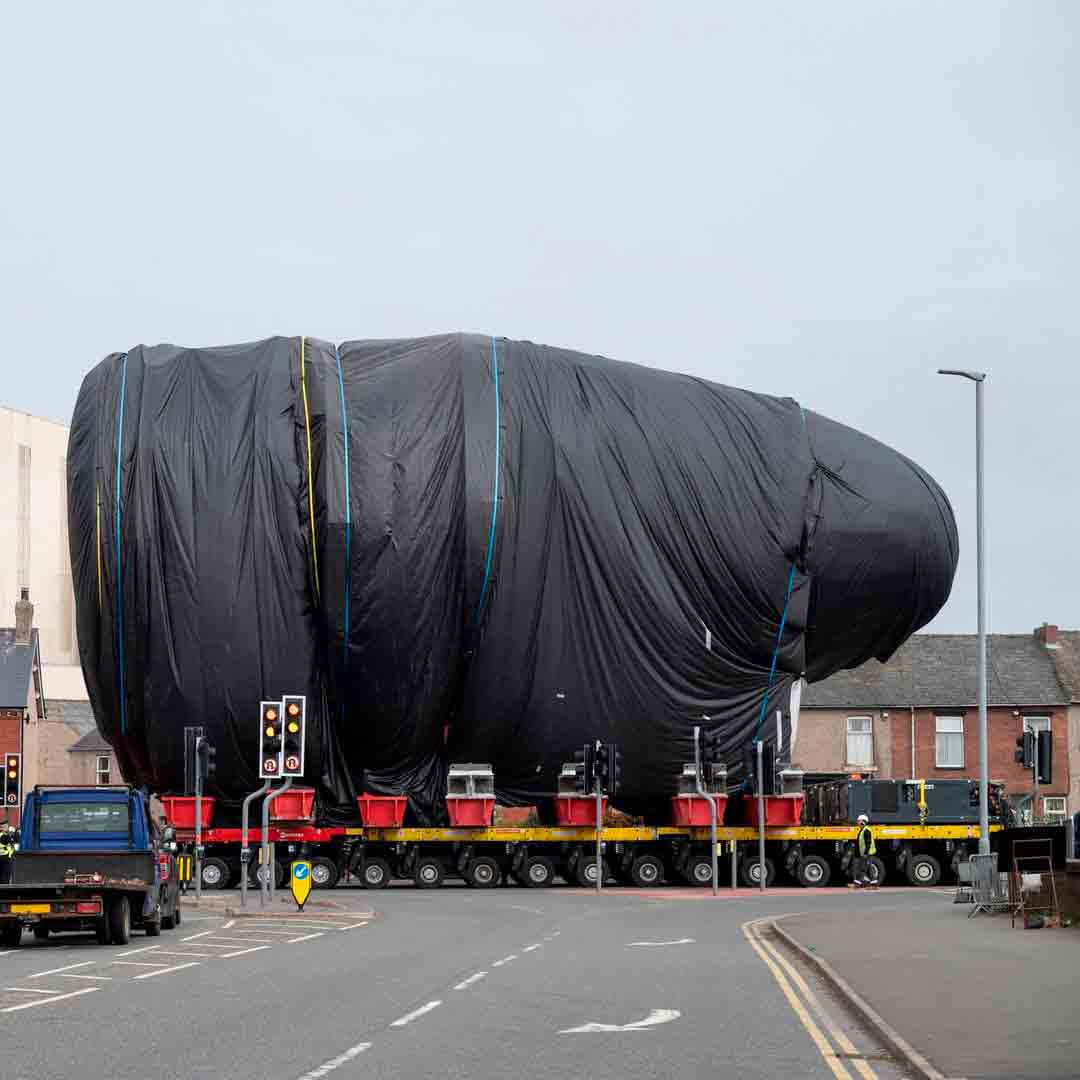
Despite the current reliance on French steel for pressure hulls, Eagle emphasized that other types of steel used in submarine construction are still sourced from a variety of suppliers, including several UK-based companies.
Dreadnought submarines: the future of British nuclear deterrence
The UK plans to build four Dreadnought-class submarines, with an estimated lifetime cost of £31 billion. Built by BAE Systems, the new models will replace the current Vanguard-class submarines, reinforcing the country’s naval power and nuclear deterrence capabilities.
With a length of 153.6 meters and a displacement of 17,200 tonnes, the Dreadnoughts will be larger than their predecessors. They will be powered by the Rolls-Royce PWR3 nuclear reactor — a US-based design considered simpler, safer, longer-lasting, and more efficient than the PWR2 used in the Vanguard class.
Strategic Armament
The Dreadnoughts will be equipped with:
- 4 x 21-inch torpedo tubes compatible with BAE’s Spearfish heavyweight torpedoes;
- 12 vertical ballistic missile launch tubes (SLBM – Submarine-Launched Ballistic Missile), capable of launching up to 12 Trident II D-5 missiles, each capable of carrying up to eight nuclear warheads.
The new class of submarines strengthens the UK’s commitment to continuous at-sea nuclear deterrence, while also exposing the industrial challenges and strategic dependency on foreign suppliers in highly specialized technological sectors.
Source: UKdefencejournalPhotos: BAE Systems. This content was created with the help of AI and reviewed by the editorial team.
