
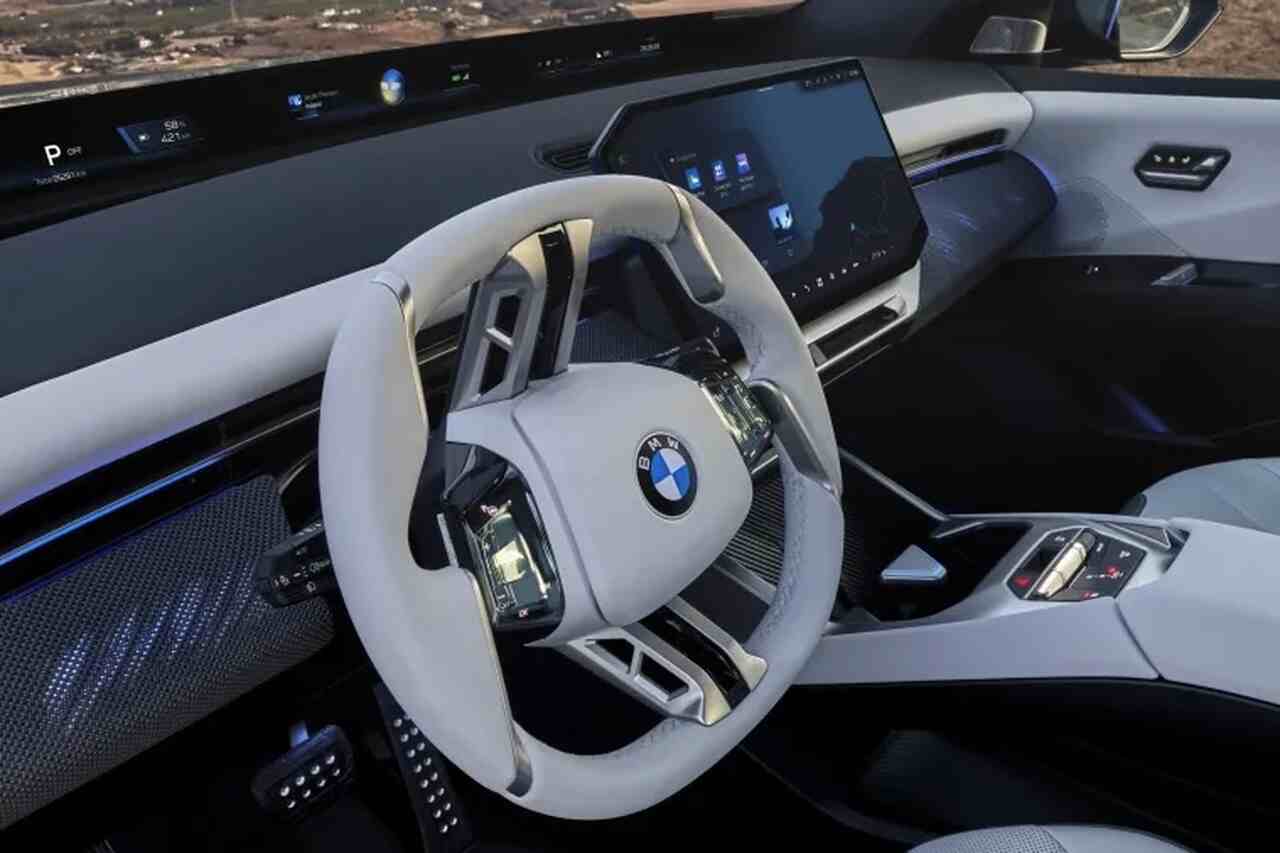
BMW has developed an innovative technology to read and interpret the intentions of its drivers by analyzing subtle body language signals.
The feature will be integrated into the driver assistance systems (ADAS), presented by the German automaker in September this year for the Neue Klasse vehicles.
Unlike other manufacturers, which seem to have implemented “electronic nannies” that interfere more than they help, BMW’s tool is much more sophisticated.
The system is expected to interpret the driver’s body language signals—such as eye and hand movements—to analyze their intentions.
By cross-referencing this data with traffic information, the car will offer functions like lane-keeping assistance and automatic emergency braking.
But unlike similar systems found in other brands, which are often criticized for taking away driver autonomy, this system will not be automatic or intrusive.
That is, if the car detects that you are in control and fully aware of your actions, it will not act in an authoritarian way, offering greater harmony with human thinking.
On the other hand, it will have the autonomy to brake, correct steering, or issue lane departure warnings if it detects signs of drowsiness or distraction.
With this, the brand’s intention remains clear: to use technology to reduce annoying interruptions, without compromising the driving assistance that enhances safety for both driver and passengers.
Photo and video: BMW. This content was created with the help of AI and reviewed by the editorial team.
