
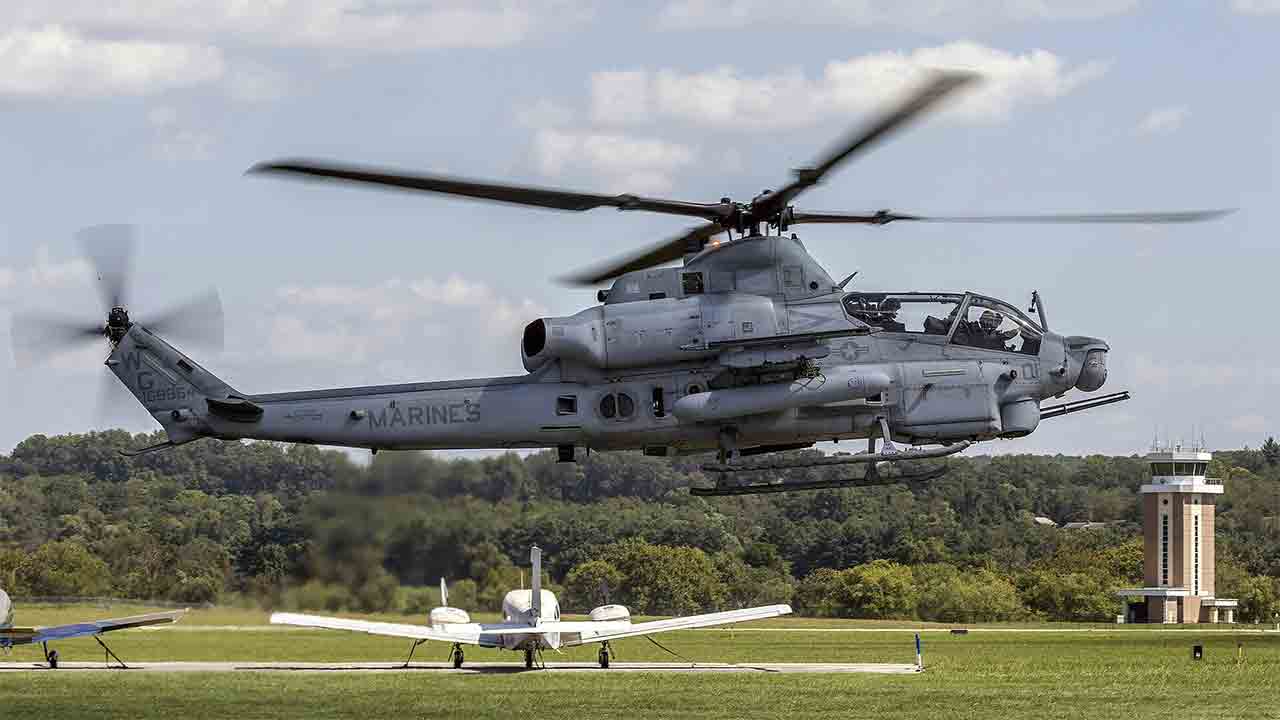
Developed for the United States Marine Corps, the AH-1Z Viper emerged as the successor to the AH-1W Super Cobra and became established as a platform for close air support, armed escort, and reconnaissance in expeditionary environments.
The Bell AH-1Z Viper is the primary attack helicopter of the United States Marine Corps and represents the latest phase of the traditional Cobra family. According to Bell, the aircraft was designed to deliver high lethality and combat survivability, acting as a force multiplier in direct support missions for troops on the ground.
The creation of the Viper is linked to the H-1 Upgrade program, which modernized the rotary-wing helicopter fleet used by the Marines. According to NAVAIR, the AH-1Z began replacing the AH-1W Super Cobra in 2011, bringing a new configuration with a four-blade composite main rotor, four-blade tail rotor, transmission compatible with the new dynamic system, improved landing gear, and a fully integrated cockpit.
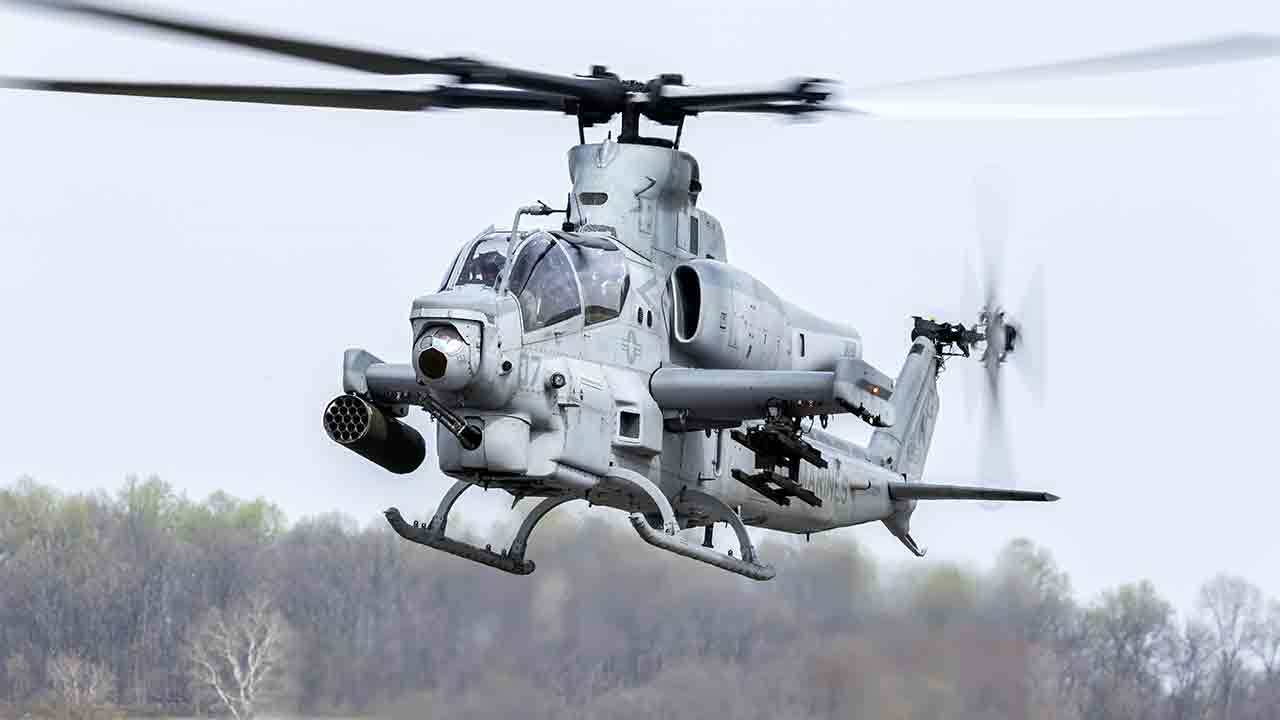
According to official NAVAIR data, the AH-1Z has a crew of two service members, consisting of a pilot and a co-pilot/gunner, and is powered by two General Electric T700-GE-401C turboshaft engines. The aircraft also features six external weapons stations, increasing its flexibility across different mission profiles.
In operational use, the Viper was designed to carry out close air support, armed escort, reconnaissance, anti-armor operations, and even anti-air warfare, according to NAVAIR. In its institutional presentation for the Marines, Bell also highlights attack, aerial reconnaissance, and escort missions, as well as the use of weapons such as AGM-114 Hellfire missiles, Hydra 70 rockets, and a 20 mm Gatling cannon.
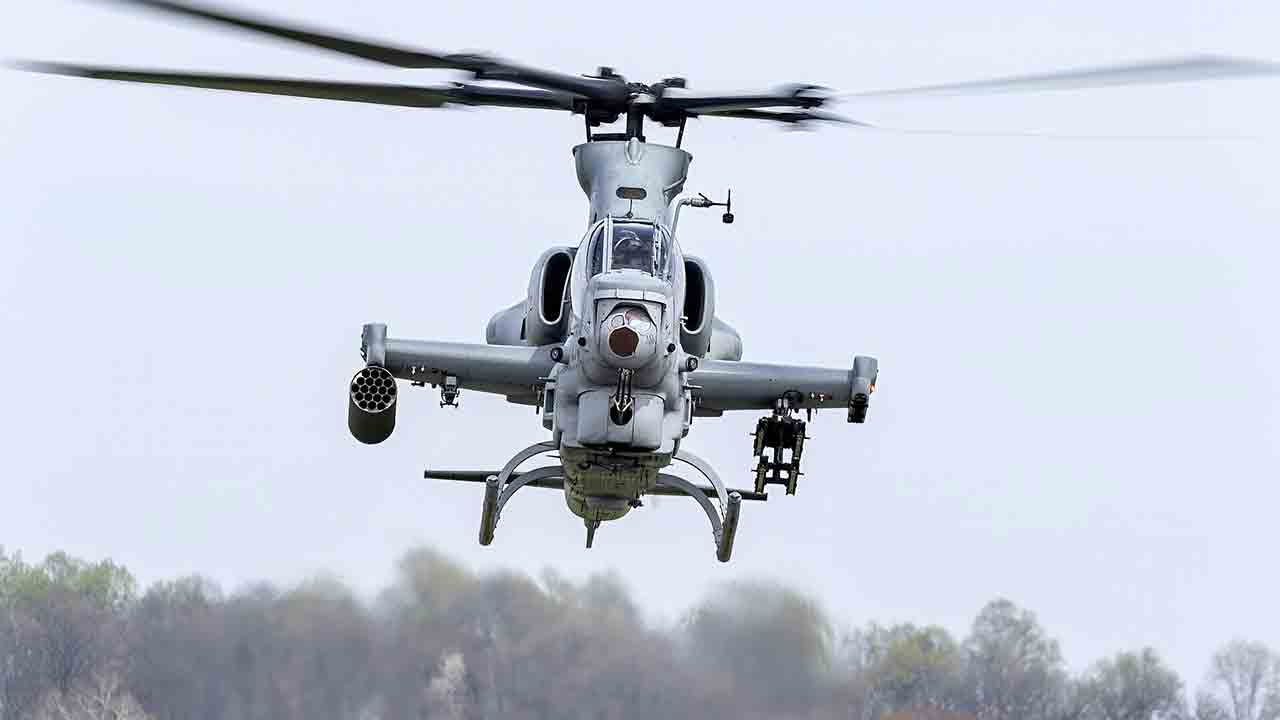
Bell also states that the AH-1Z is the only attack helicopter with fully integrated air-to-air missile capability, while also highlighting advanced sensors for identifying and tracking targets at long range. Another important point is its logistical commonality with the UH-1Y Venom: the company says the two models share 85% of their components, which reduces maintenance, training, and fleet support costs.
Even after years of operation, the Viper continues to undergo upgrades. NAVAIR reported that the platform has gone through digital interoperability tests with Link 16 and ANW2, expanding its data-sharing capability in combat. Bell, meanwhile, stated in 2024 that it intends to continue supporting the AH-1Z Viper and the UH-1Y Venom throughout the 2040s, in line with the Marine Corps aviation plan.
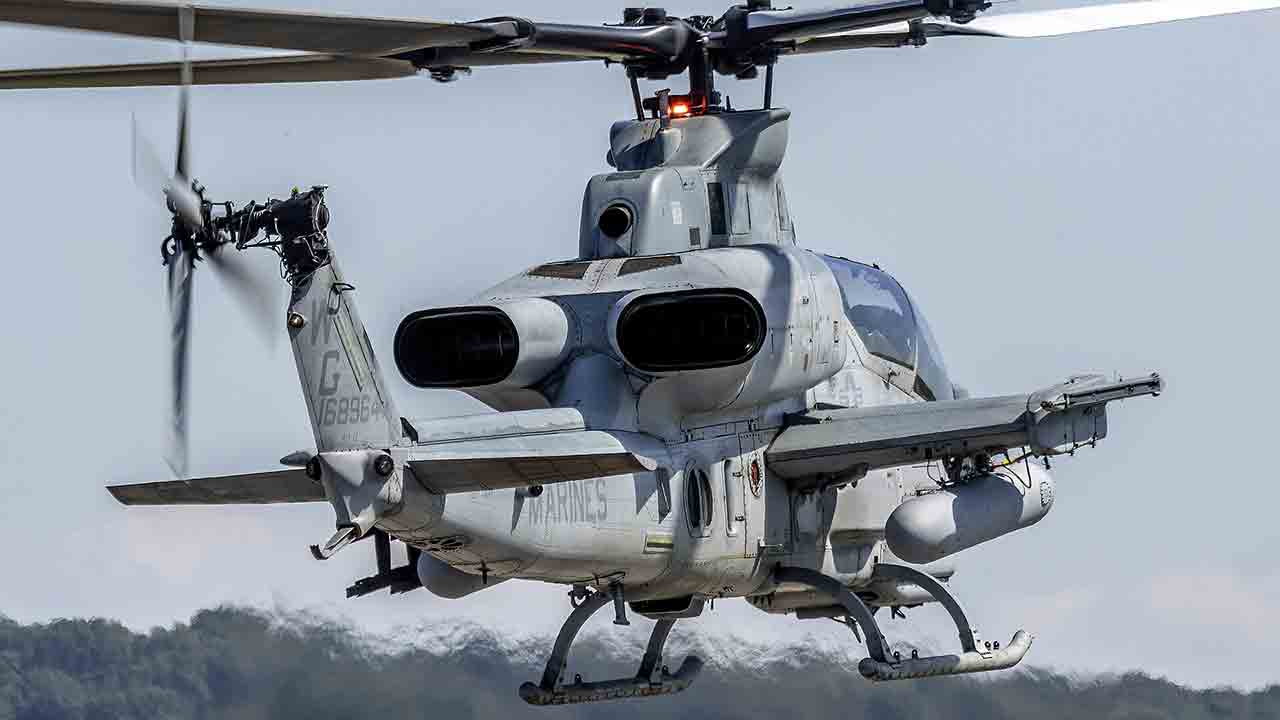
In a military scenario increasingly defined by fast operations, sensor integration, and the combined use of crewed and uncrewed platforms, the AH-1Z Viper remains one of Bell’s main bets for expeditionary attack missions, force protection, and high-precision armed response.
This combination of mobility, firepower, and logistical standardization helps explain why the helicopter remains relevant within Marine Corps combat aviation. This assessment is a synthesis based on the capabilities and missions described by official sources.
Source and images: NAVAIR | Bell Textron | Wikimedia. This content was created with the help of AI and reviewed by the editorial team.
