
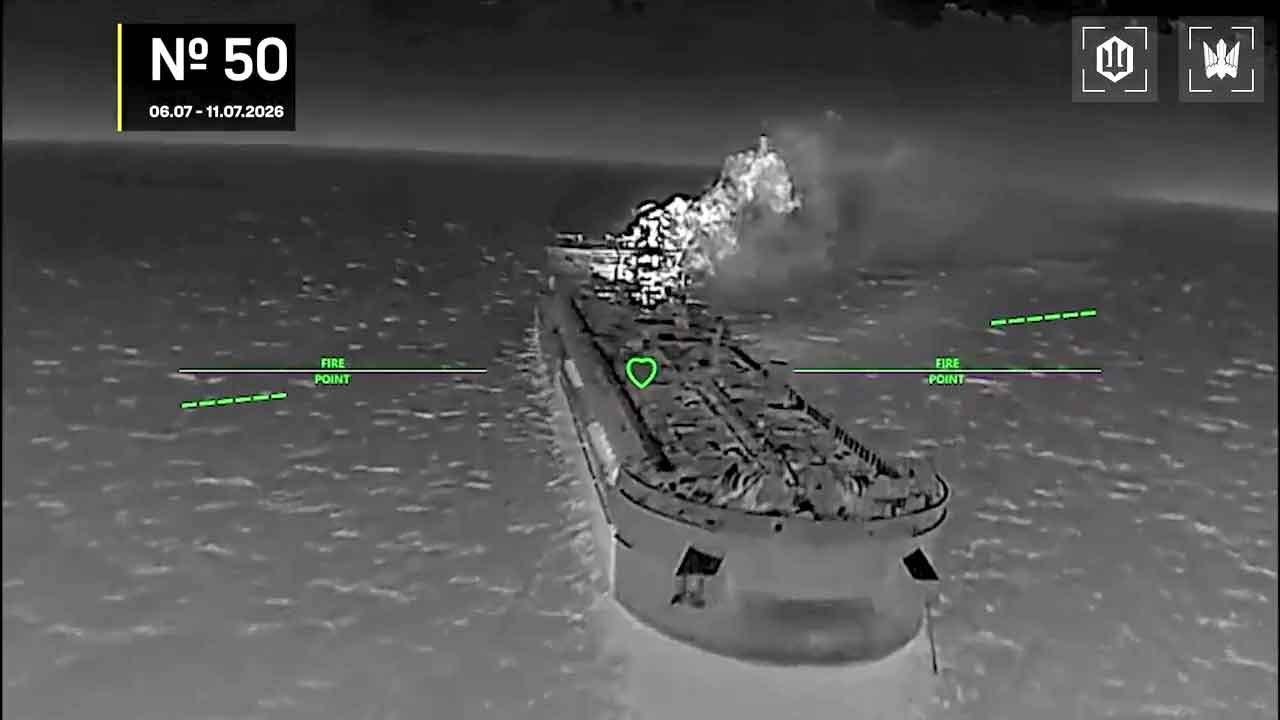
The operation reportedly reached 21 oil tankers, four tugboats, two cargo ships and one specialized vessel; Ukrainian forces report 73 hits during the night
The Unmanned Systems Forces of the Armed Forces of Ukraine claimed to have hit 28 Russian vessels in the Sea of Azov during an operation carried out in the early hours of Saturday, July 11.
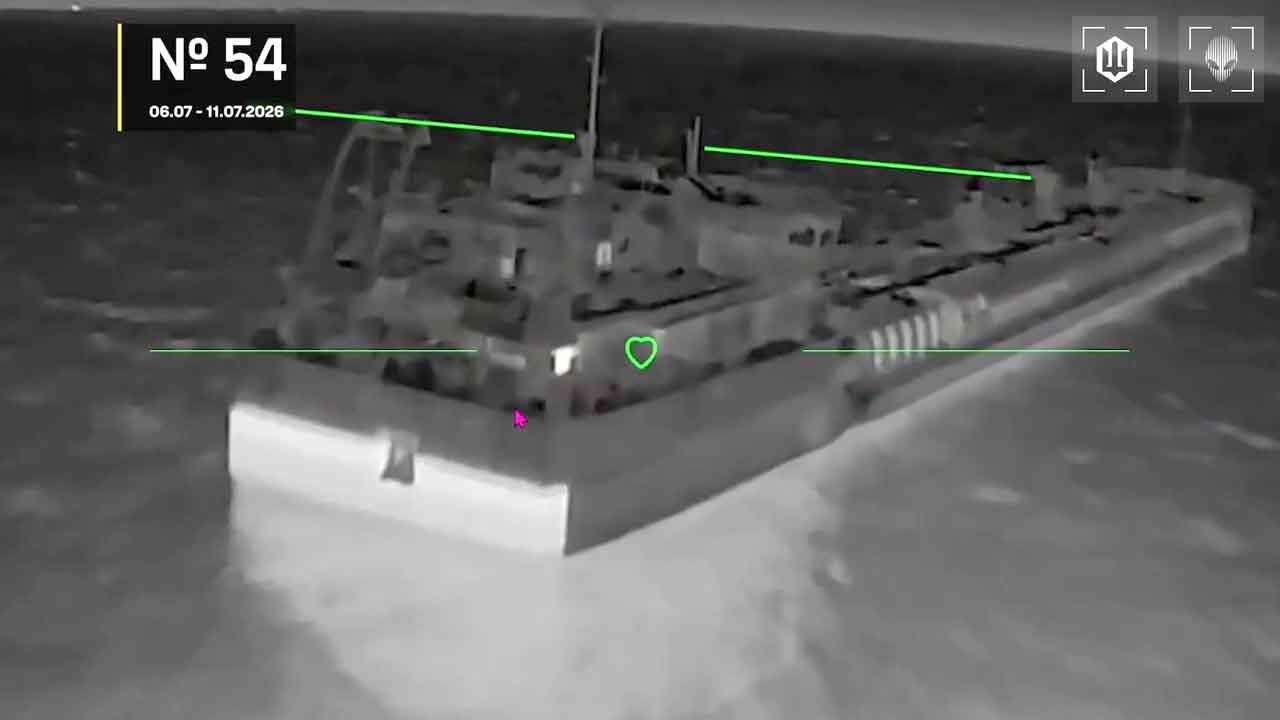
According to the force’s commander, Robert Brovdi, known by the call sign “Magyar,” the targets included 21 oil tankers, four tugboats, two dry cargo ships and one specialized vessel. Operators reportedly recorded 73 hits considered effective during the operation.
The figures were released by the Ukrainian forces themselves and had not been independently verified by the time this article was published. There was also no detailed assessment of the extent of the damage suffered by each vessel.
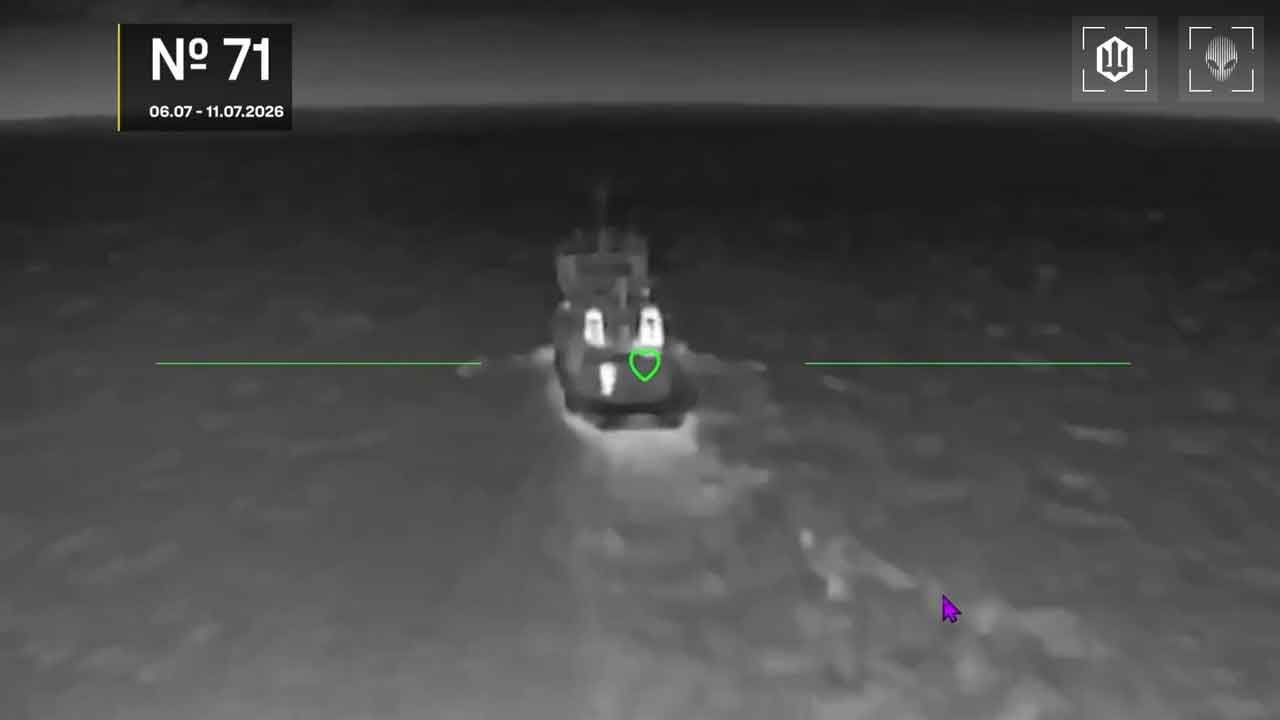
According to Brovdi, Ukrainian drones hit 76 ships between July 6 and 11. Some of these vessels are described by Kyiv as part of Russia’s so-called “shadow fleet,” a term used to identify ships employed in logistical or commercial operations intended to reduce the effects of international sanctions.
The campaign’s main stated objective is to disrupt the transportation of fuel, cargo and other supplies intended for Crimea and Russian-controlled areas in southern Ukraine.
Maritime traffic disrupted
The Unmanned Systems Forces also claimed that the series of operations caused vessel traffic through the Kerch Strait, a strategic passage connecting the Sea of Azov to the Black Sea, to be interrupted.
Independent reports had already indicated restrictions in the region. On Friday, July 10, maritime industry sources reported that Russia had temporarily suspended navigation through the Don–Azov Canal. Companies were also reportedly informed that new requests for passage through the Kerch Strait would no longer be accepted after 6:10 p.m. local time.
The temporary blockade could affect not only logistics bound for Crimea, but also Russian commercial transportation. The Sea of Azov is an important route for shipping grain produced in the Rostov and Krasnodar regions.
Six units took part in the operation
According to information released by Kyiv, six major units specializing in unmanned systems took part in the operation:
414th Separate Unmanned Systems Brigade “Magyar’s Birds”;
20th Separate Unmanned Systems Brigade “K-2”;
1st Separate Unmanned Systems Center;
413th Separate Unmanned Aerial Systems Regiment “Raid”;
412th Separate Unmanned Systems Brigade “Nemesis”;
427th Separate Unmanned Systems Brigade “Rarog”.
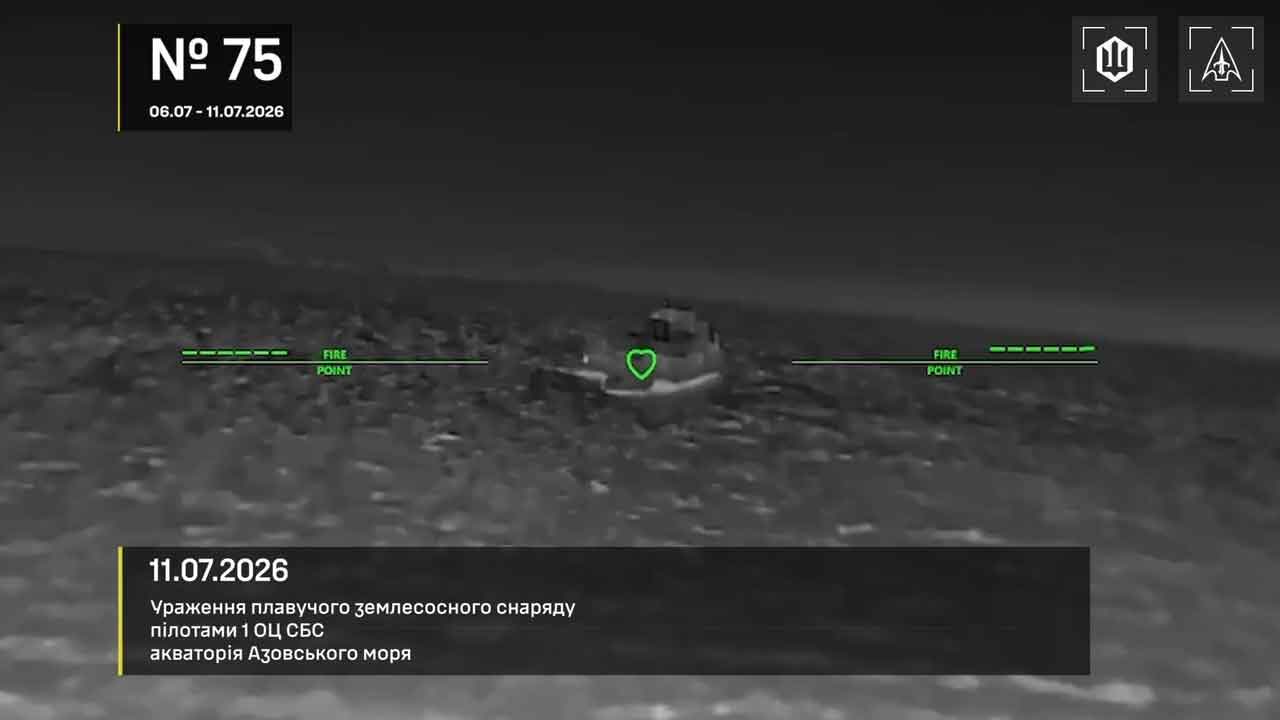
The simultaneous participation of these formations indicates a coordinated operation, with different teams responsible for locating, tracking and engaging the targets. Images released by the Ukrainians show attacks carried out against vessels that were underway and at anchor, although they do not make it possible to accurately determine the structural damage.
Operation “Crimea Shutdown”
Alongside the operation in the Sea of Azov, the Ukrainian force stated that it had acted against 53 locations considered military targets in Crimea and occupied areas of southern Ukraine.
The objectives mentioned include vessels associated with Russian logistics and energy infrastructure facilities. The campaign was named “Crimea Shutdown” and is part of a broader strategy to pressure the supply and energy distribution networks used on the peninsula.
The previous night, between July 9 and 10, Ukrainian forces had already reported attacks against another 18 vessels used to provide logistical support to Crimea.
The intensification of these operations demonstrates the growing importance of drones in the contest for the Sea of Azov. These systems allow Ukraine to reach maritime targets and coastal facilities without deploying large surface ships, increasing pressure on routes that were previously considered relatively protected.
So far, Russian authorities have not presented a detailed public assessment of the damage attributed to the July 11 operation.
View this post on Instagram
Source and images: Militarnyi and Telegram @robert_magyar. This content was created with the support of artificial intelligence and reviewed by the editorial team.
