
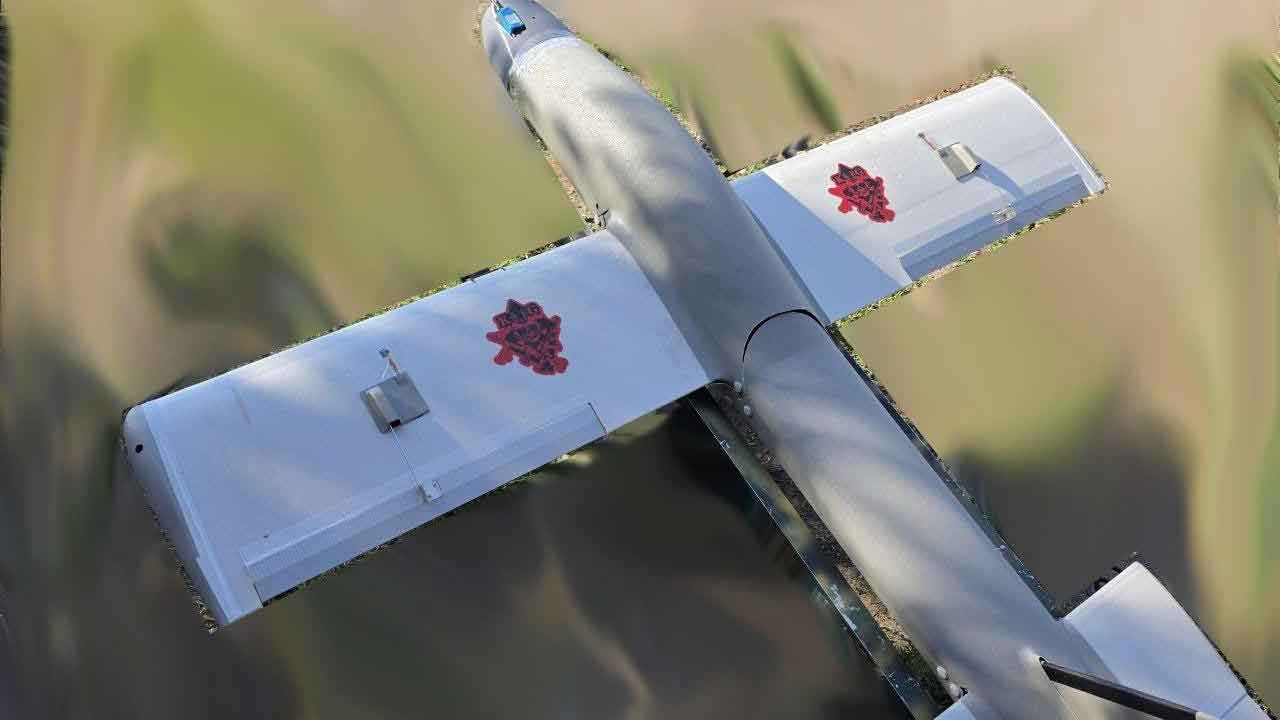
Russia has begun employing a new generation of attack drones equipped with artificial intelligence in the war against Ukraine, marking another advance in the technological race between the two countries.
According to Serhii “Flash” Beskrestnov, a Ukrainian radio technology specialist, the new models are already being used in operations in the Zaporizhzhia region and can carry out part of their mission autonomously, even when they lose contact with their operators.
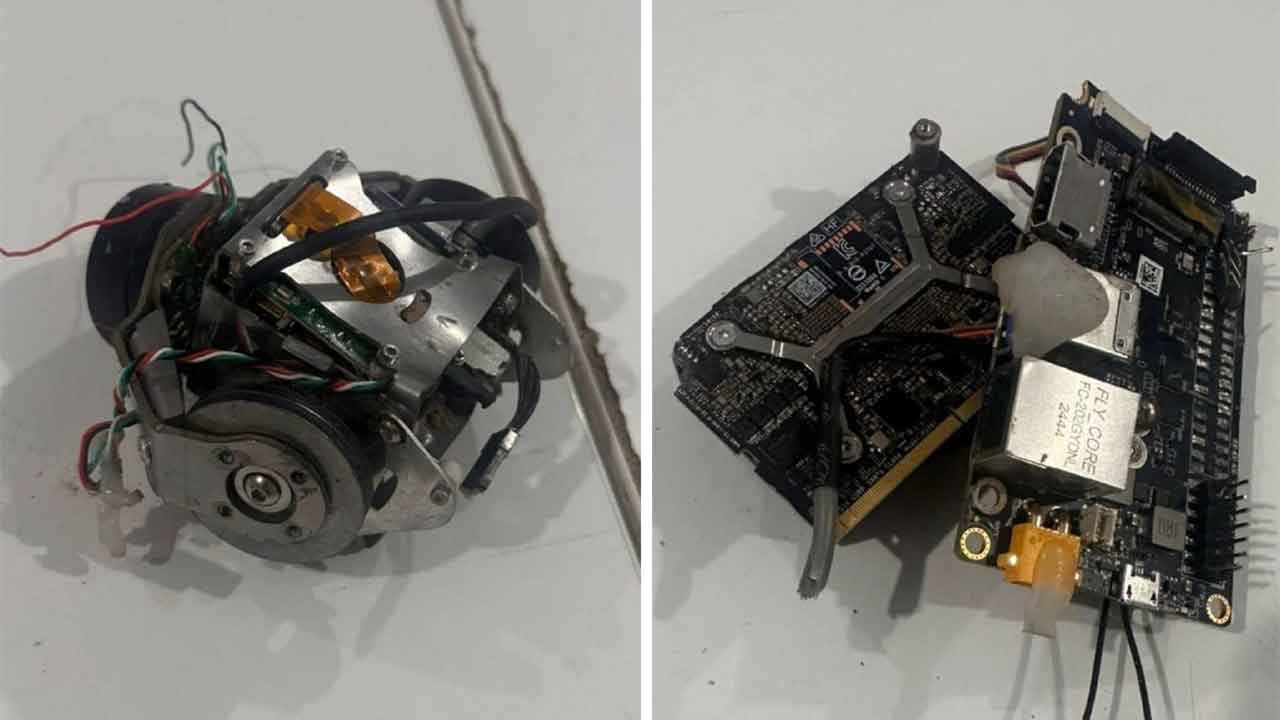
The drones use computer vision systems and artificial intelligence to recognize targets and continue navigating even under electronic interference, one of the main strategies adopted by Ukraine to neutralize Russian unmanned aircraft.
As a result, the technology reduces dependence on constant remote control and increases the chances of the mission being completed successfully.
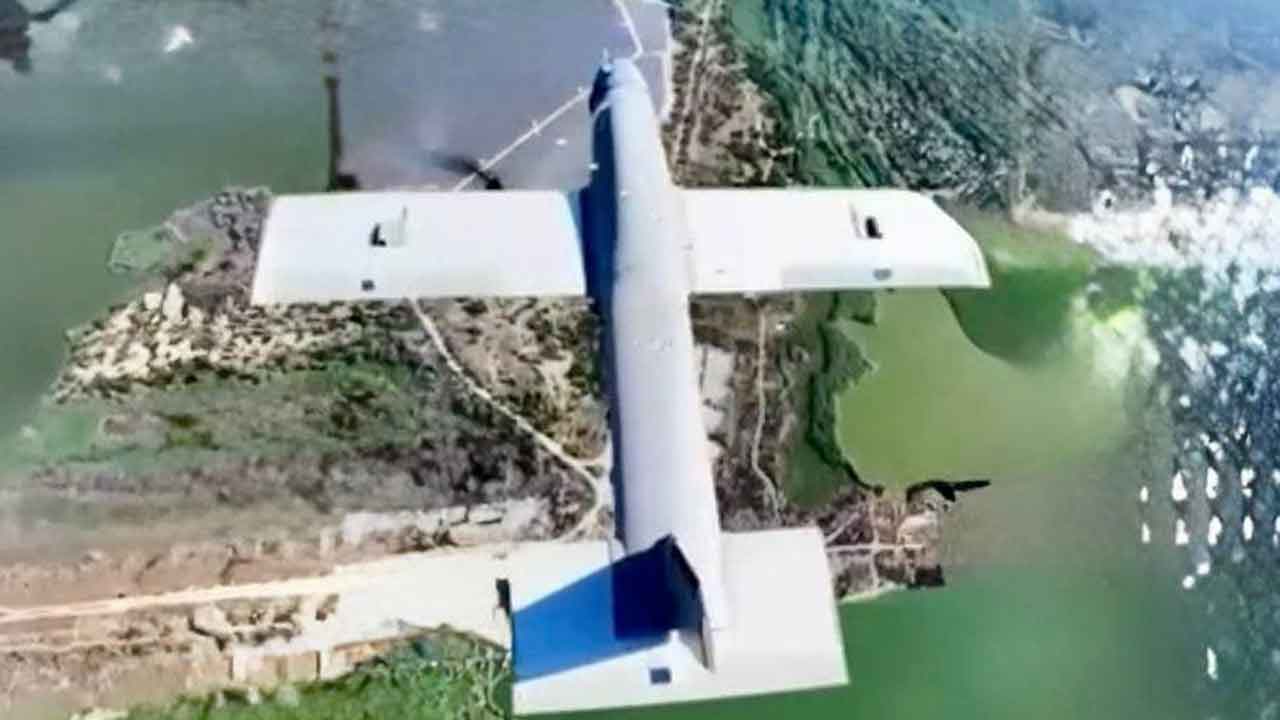
According to reports, the system still relies on human supervision for launch, but begins making autonomous navigation and target identification decisions during the final phases of the operation.
Experts assess that this type of capability represents an important evolution in the military use of drones, especially in environments with intense electronic warfare.
The development comes at a time when both Russia and Ukraine are accelerating investments in autonomous systems and artificial intelligence for battlefield use.
Although neither side has deployed fully independent drones for all stages of combat, the trend is toward an increasingly greater integration between AI, target recognition and resistance to electronic interference, turning the war in Ukraine into one of the world’s main laboratories for this technology.
+ T-90M tank with Arena-M system spotted in Russia, reinforcing progress against drones
Photos: Telegram @Slavyangrad. This content was created with the help of AI and reviewed by the editorial team.
