
Operation with bombers, fighters, airborne early warning aircraft, electronic warfare planes and tankers reinforces the message of military rapprochement between Beijing and Moscow
China presented the latest joint strategic air patrol with Russia as a demonstration of military coordination and operational capability in sensitive areas of the Indo-Pacific. Carried out on June 27, 2026, the mission crossed the Sea of Japan, the East China Sea and the western part of the Pacific Ocean, regions closely monitored by Japan, South Korea and the United States.
According to the Chinese version, this was the 11th flight of its kind since 2019, within the annual military cooperation plan between Beijing and Moscow. The operation involved strategic bombers, escort fighters and support aircraft, forming a complex air package typical of long-range missions.
+ Click here to watch the video of the joint patrol between Russia and China
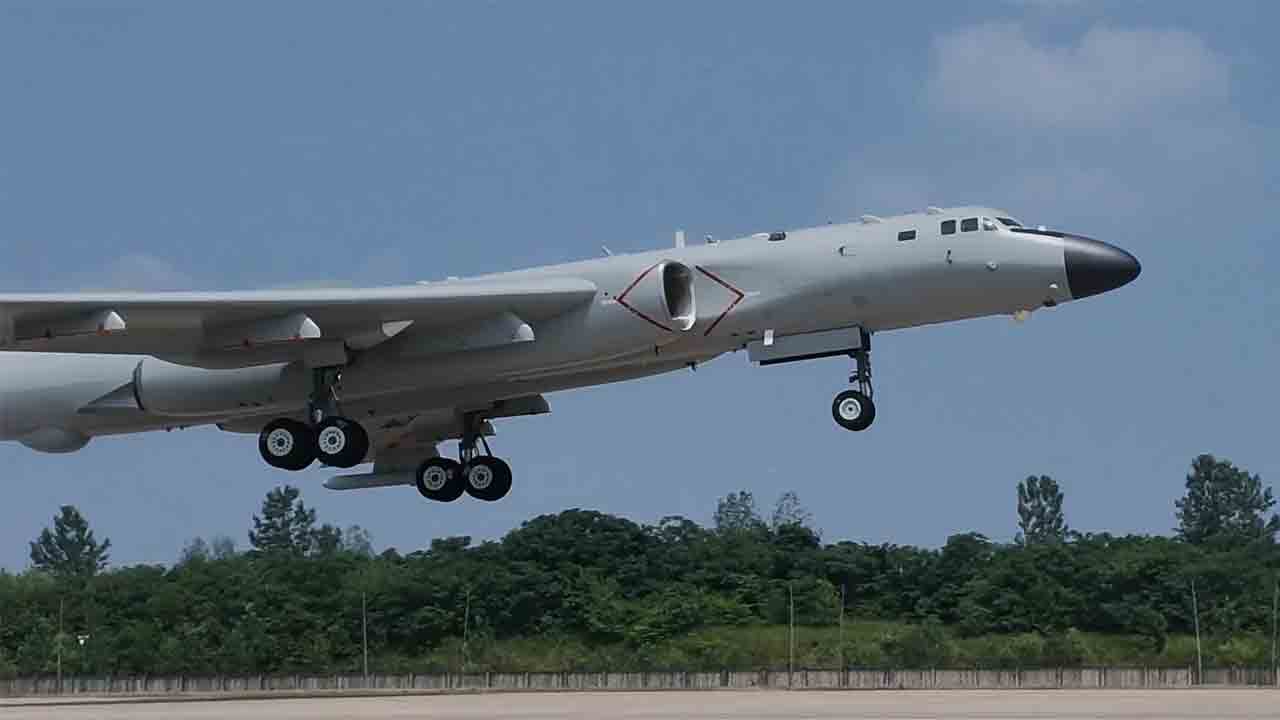
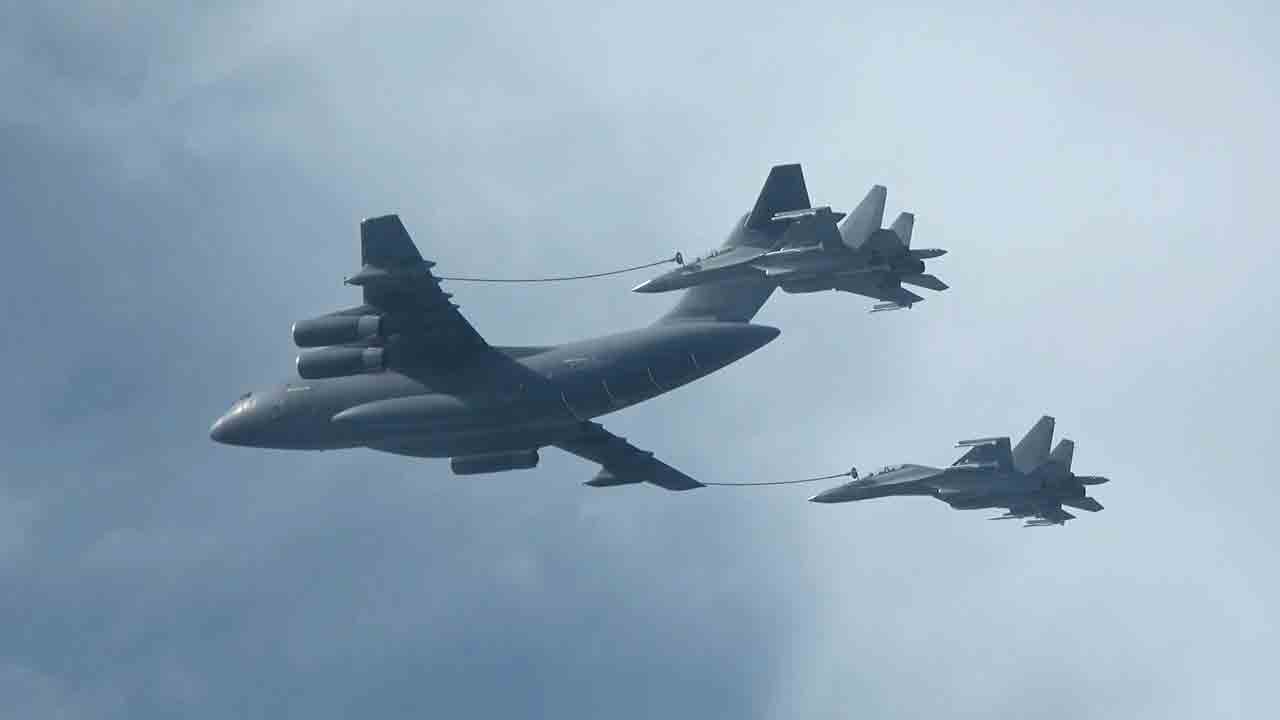
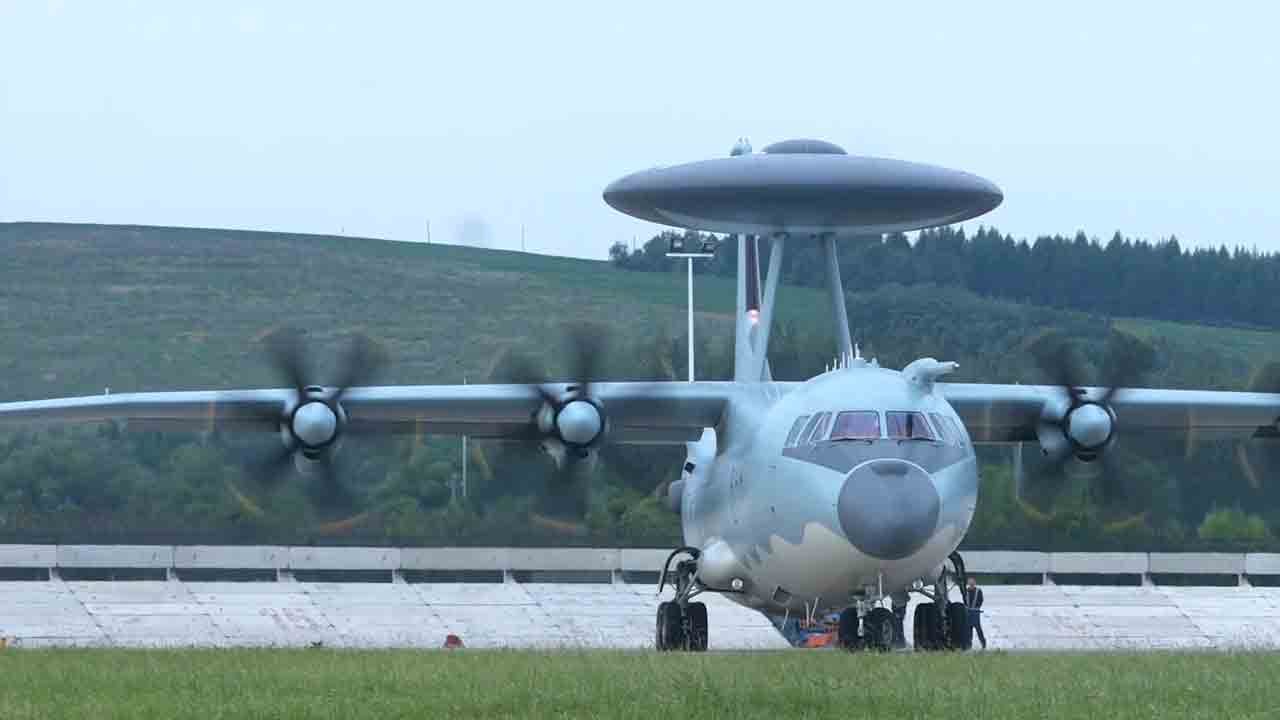
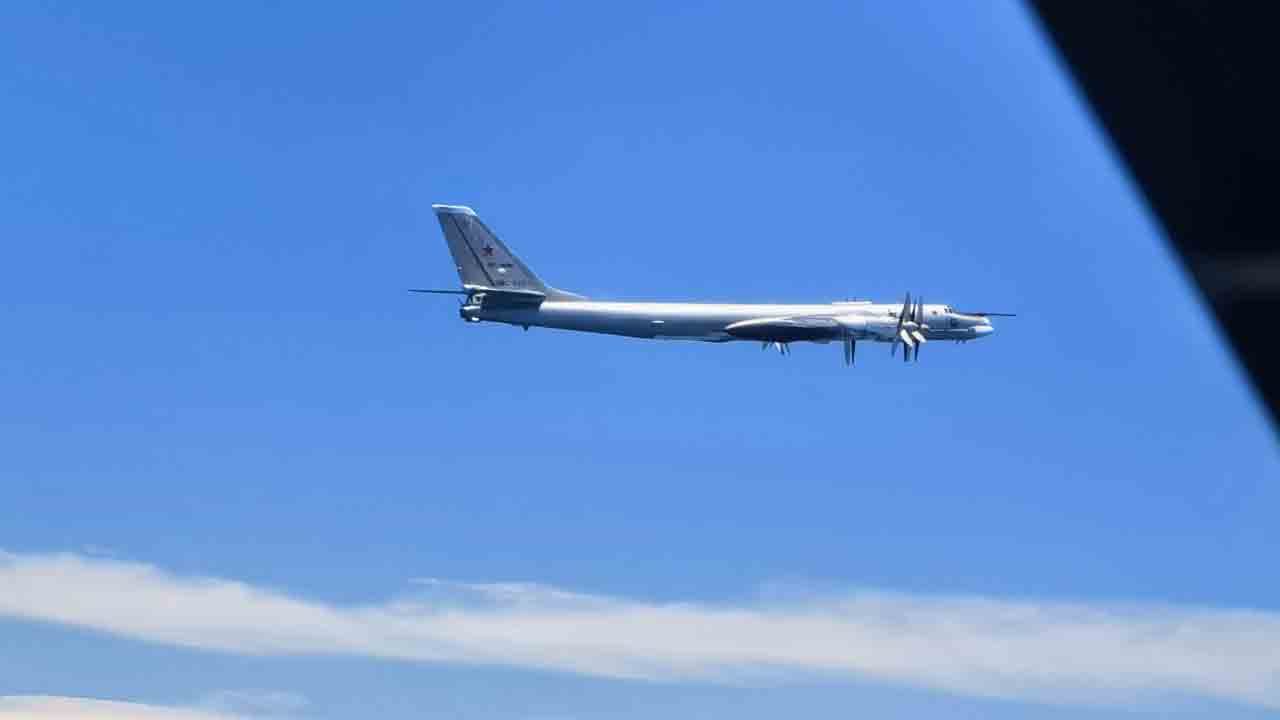
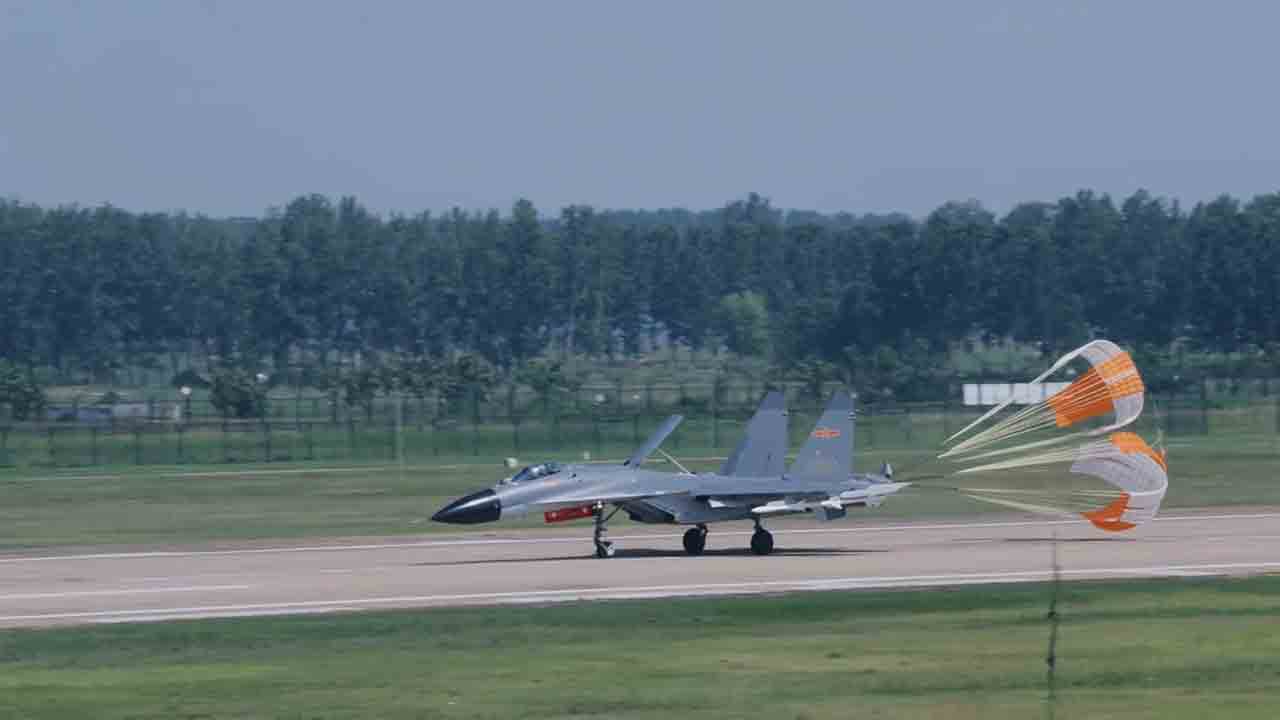
On the Chinese side, the composition drew attention for the variety of roles brought together in a single patrol. In addition to the Xian H-6K and Tu-95 bombers, J-11, J-16, J-10 and Su-30 fighters took part, along with the Shaanxi KJ-500A airborne early warning aircraft, Y-9G and Y-9Z electronic warfare aircraft, as well as the Y-20A heavy transport aircraft and the YY-20A tanker version.
The central point is not only the presence of the bombers, but the integration of different types of aircraft into a single mission. This means that China and Russia are not merely flying side by side in a symbolic action: the two countries are also training command procedures, escort, airborne surveillance, electronic support and refueling, essential elements for long-range operations.
For Beijing, the patrol helps project the image of an air force capable of operating beyond its immediate surroundings. For Moscow, the mission reinforces the message that military cooperation with China remains active, even in an international environment marked by tensions with Western countries.
Since 2019, China and Russia have been repeating this type of mission with some regularity. What was once seen mainly as a political demonstration has begun to show a more evident operational component, with support aircraft playing an increasingly important role in the package.
The presence of the YY-20A, a tanker version derived from the Y-20 cargo aircraft, is particularly relevant. This type of aircraft extends the range of fighters and allows Chinese formations to remain longer in distant areas, something essential for an air force seeking to operate with greater autonomy over seas and oceans.
The most striking detail of the patrol is the combination of aircraft with very different profiles: large bombers, escort fighters, airborne early warning aircraft with a radar disc above the fuselage and support aircraft based on the Y-9 and Y-20 platforms. In images of this type of operation, the contrast between the H-6K and the fighters accompanying it often summarizes the logic of the mission: a strategic strike platform protected by a network of surveillance, escort and electronic support.
The KJ-500A also stands out visually because of the radar installed above the fuselage, used to expand the formation’s situational awareness. In simple terms, it functions as a flying air control center, helping to identify movements in the airspace and coordinate the participating aircraft.
The Sea of Japan, the East China Sea and the Western Pacific form an area of enormous strategic importance. Maritime routes, air defense zones, military bases and the interests of regional and global powers all intersect there. For this reason, any operation involving Chinese and Russian bombers tends to be closely monitored by countries such as Japan, South Korea and the United States.
Beijing and Moscow say the patrol is defensive in nature and seeks to contribute to regional stability. For the countries monitoring these missions, however, the coordinated presence of Chinese and Russian aircraft is interpreted as a sign of strategic pressure and greater interoperability between the two air forces.
Despite the attention generated, it is important to distinguish an air defense identification zone from sovereign airspace. An ADIZ is an area in which a country requests the identification of aircraft for security reasons, but it does not have the same legal status as national airspace. This distinction helps explain why such flights can trigger interceptions and alerts without necessarily constituting a territorial violation.
The June 27 patrol should not be seen merely as an isolated operation. It is part of a sequence of exercises that reinforce the strategic partnership between China and Russia and highlight a growing ability to coordinate in regions close to U.S. allies.
In practice, the mission combines three messages: a demonstration of presence, a test of interoperability and a political signal. For a defense portal, the most relevant point is that China has been using this type of patrol to show not only the number of aircraft involved, but also operational maturity in integrated long-range missions.
+ Airbus prepares Tiger MkIII helicopter modernization for high-intensity warfare
Source and images: China Military. This content was created with the help of AI and reviewed by the editorial team.
