
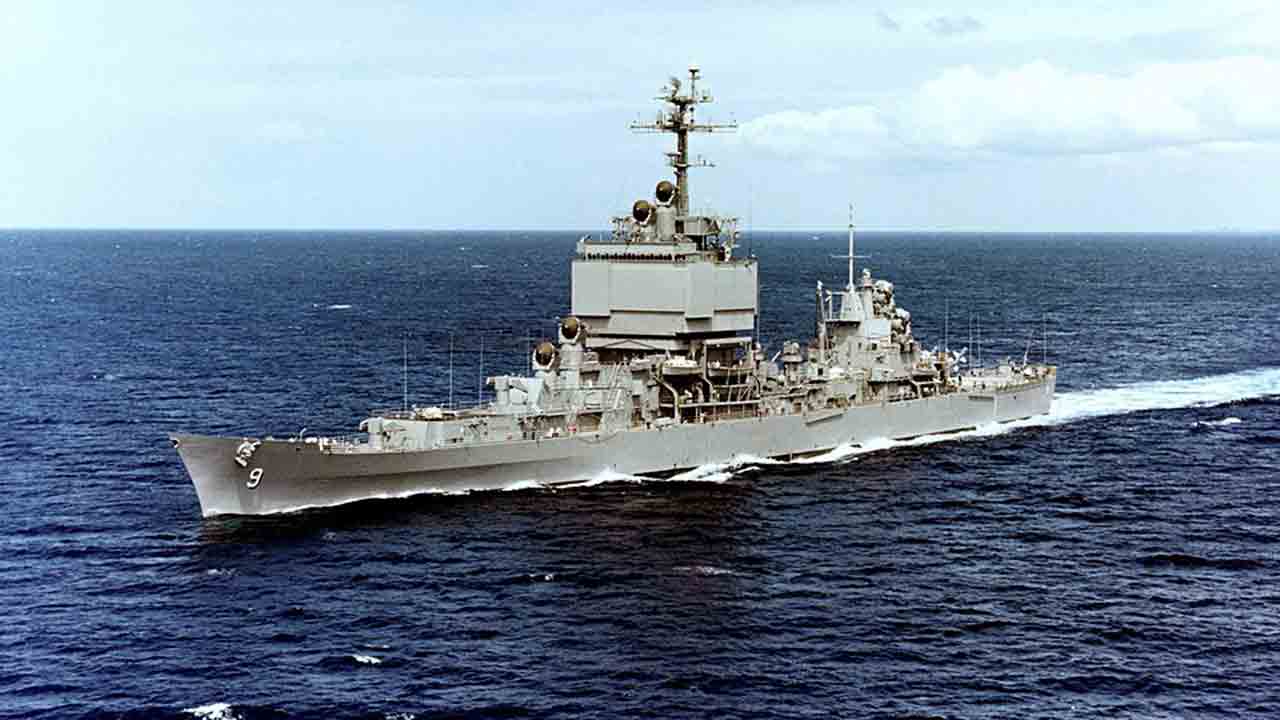
The United States Navy has begun the process of retiring the historic USS Long Beach (CGN-9), the world’s first nuclear-powered surface warship.
More than 30 years after its decommissioning, the vessel is set to be transported, dismantled, and disposed of by a specialized company in an operation considered extremely complex due to the presence of compartments associated with its former nuclear reactors.
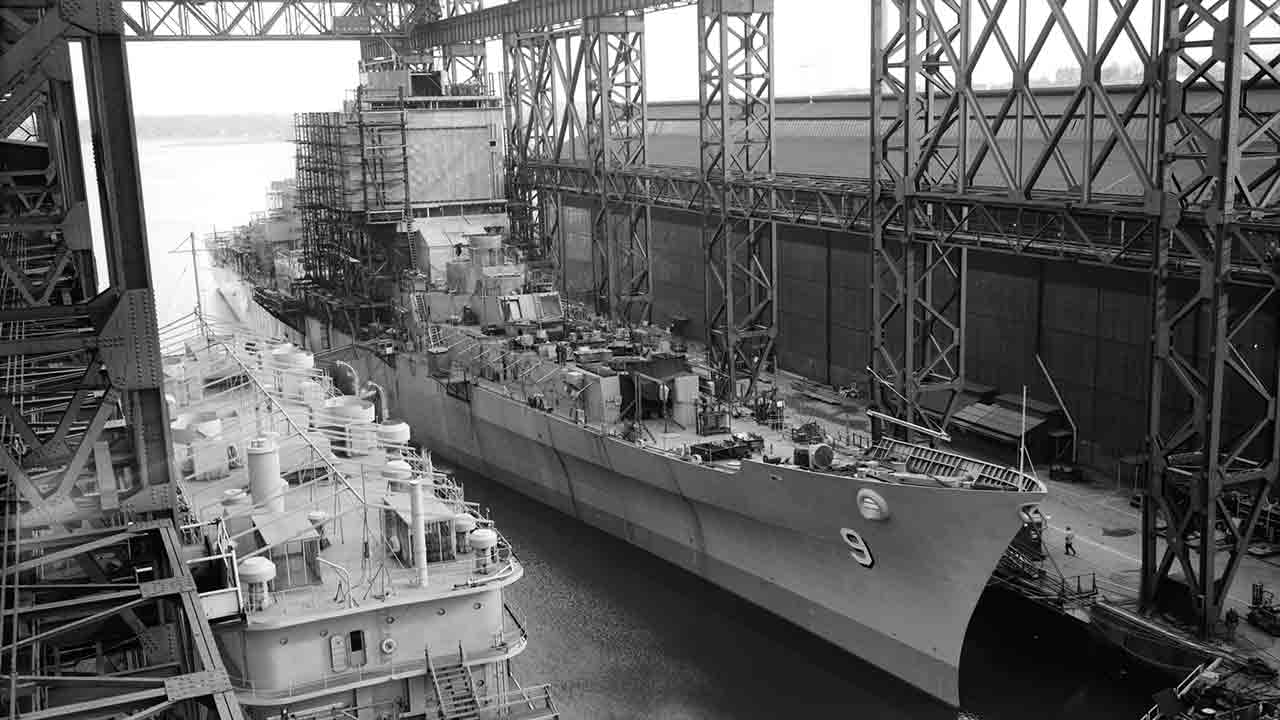
Commissioned in 1961, the USS Long Beach was a landmark of the Cold War and the first major U.S. Navy surface combatant to use nuclear propulsion. The cruiser took part in operations during the Vietnam War, served in the Persian Gulf, and also participated in Operation Desert Storm in 1991.
The ship was decommissioned in 1995 and has remained at the Puget Sound Naval Shipyard in Washington state ever since. Over the years, its distinctive superstructure and parts of the bow and stern were removed, leaving primarily the central section that housed its nuclear propulsion systems.
According to The War Zone, this will be only the second time the U.S. Navy has contracted a commercial shipyard to dismantle a nuclear-powered warship. The only precedent is the aircraft carrier USS Enterprise, whose dismantling has also proven to be a costly and time-consuming process.
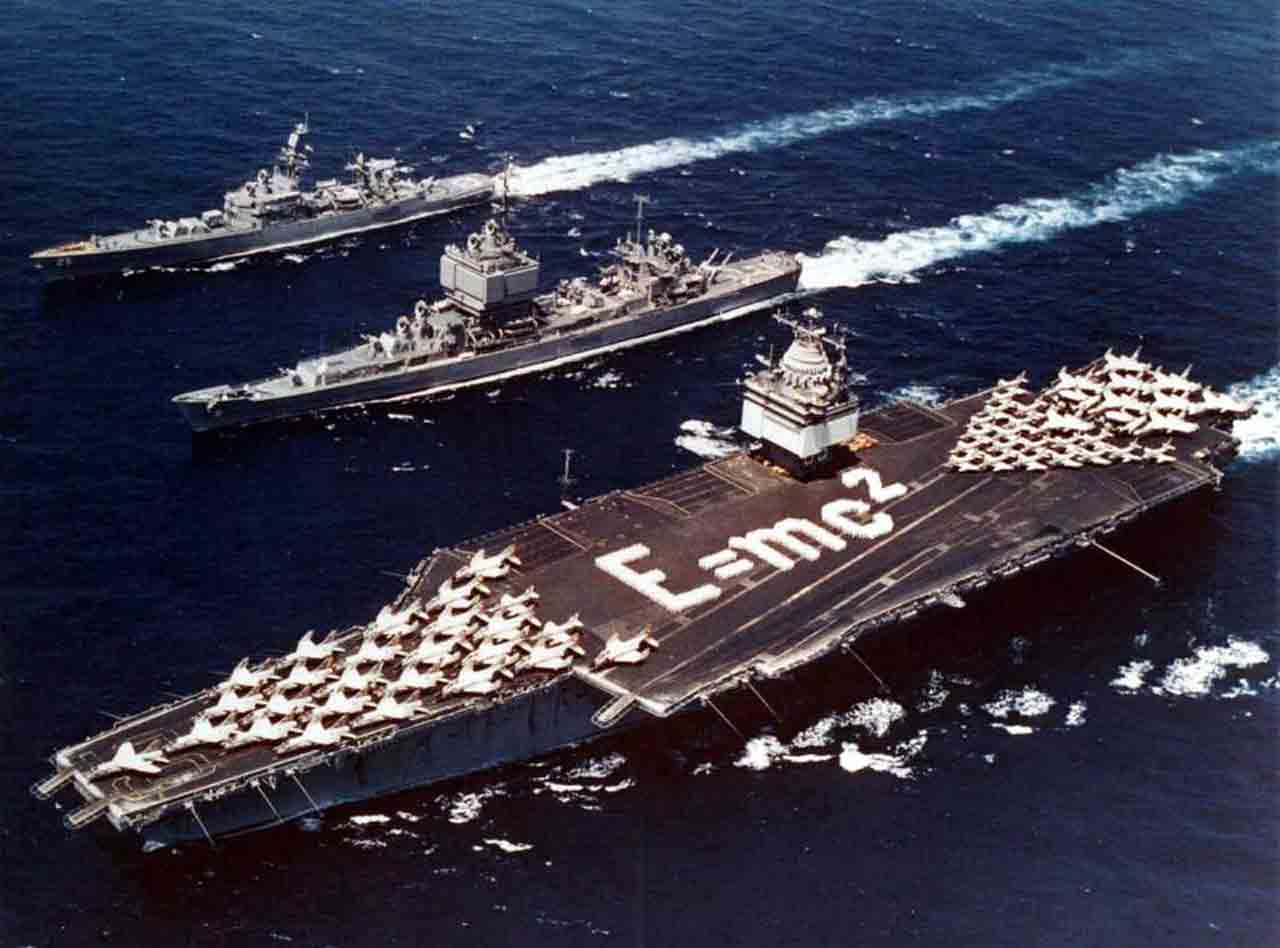
The decision to move forward with disposal came after a historical review concluded that the ship did not meet the criteria required for inclusion on the United States National Register of Historic Places, disappointing advocates who sought to preserve the vessel as a historic landmark.
Although the USS Long Beach was one of the symbols of the U.S. Navy’s nuclear era, the high operating and maintenance costs led the United States to abandon the concept of nuclear-powered cruisers in the following decades, retaining nuclear propulsion only for submarines and aircraft carriers.
+ U.S. Nuclear Missile Base to Receive Portable Anti-Drone Weapons
Photos: U.S. Navy. This content was created with the assistance of AI and reviewed by the editorial team.
