
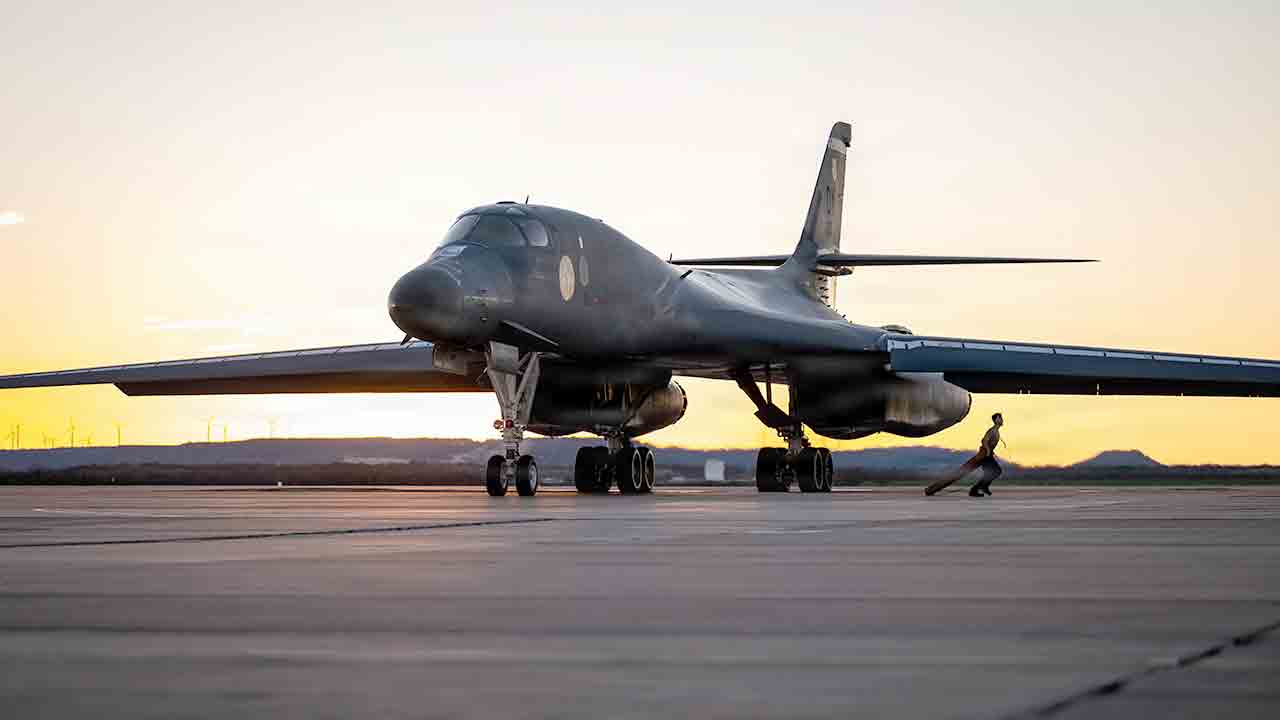
The United States Air Force is investing in the maintenance of its fleet of B-1B Lancer strategic bombers, with the signing of two contracts for the manufacture of new wing components.
The agreements, awarded by the Defense Logistics Agency to Top Flight Aerostructures, could reach a combined value of up to $76.5 million and will remain in effect until June 2029.
The contracts cover the production of trailing edges and wing tips, parts that play an important role in the structure of the B-1B, according to the Defence Blog website.
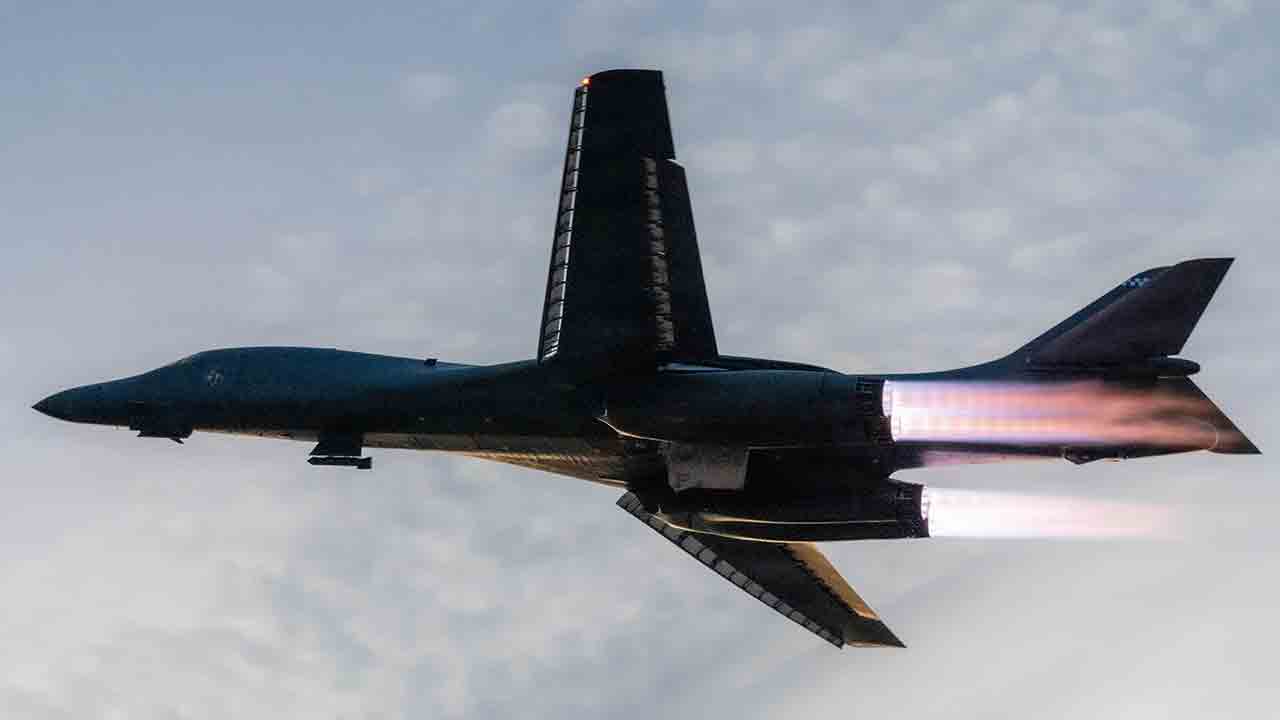
The aircraft uses variable-geometry wings, capable of changing position during flight to optimize performance at different speeds. Although this feature provides great operational flexibility, it also subjects the structure to high levels of wear over the years.
The need to replace these parts reflects the advanced age of the fleet. The last B-1B was delivered to the Air Force in 1988, meaning that even the newest examples have around 38 years of service. Currently, about 45 aircraft remain in operation after a round of retirements carried out in 2021.
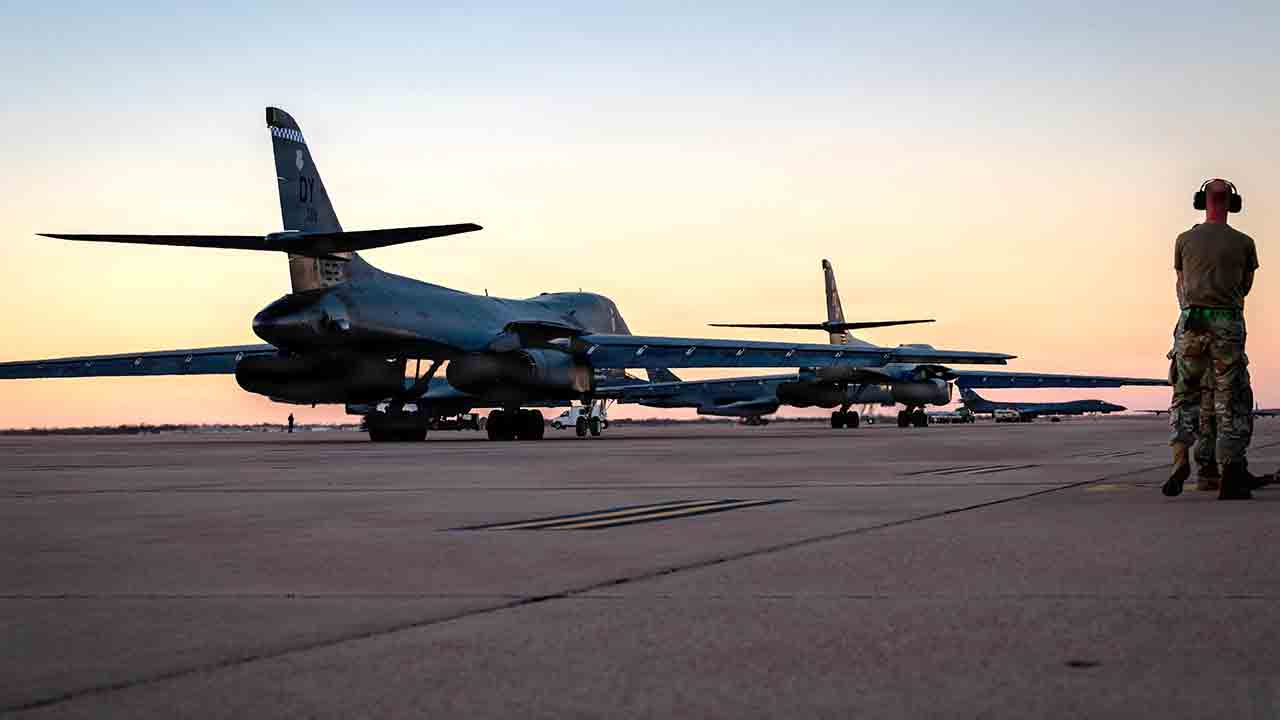
In addition to their age, the bombers have accumulated decades of combat missions in Iraq, Afghanistan, Libya and Syria, operations that accelerated the aircraft’s structural wear. U.S. officials have already acknowledged that some components have suffered significant fatigue, especially in areas linked to the wing-sweep mechanism.
Even so, the Air Force intends to keep the B-1B in service for longer. Budget documents call for about $342 million in modernization investments between 2027 and 2031, with the goal of preserving the aircraft’s operational relevance until at least 2037, while the new B-21 Raider stealth bomber is incorporated into the force.
The B-1B remains an important platform for the United States due to its ability to carry up to 34 tons of conventional weapons, including long-range anti-ship missiles. The aircraft also continues to regularly take part in show-of-force missions and strategic exercises in different regions of the world.
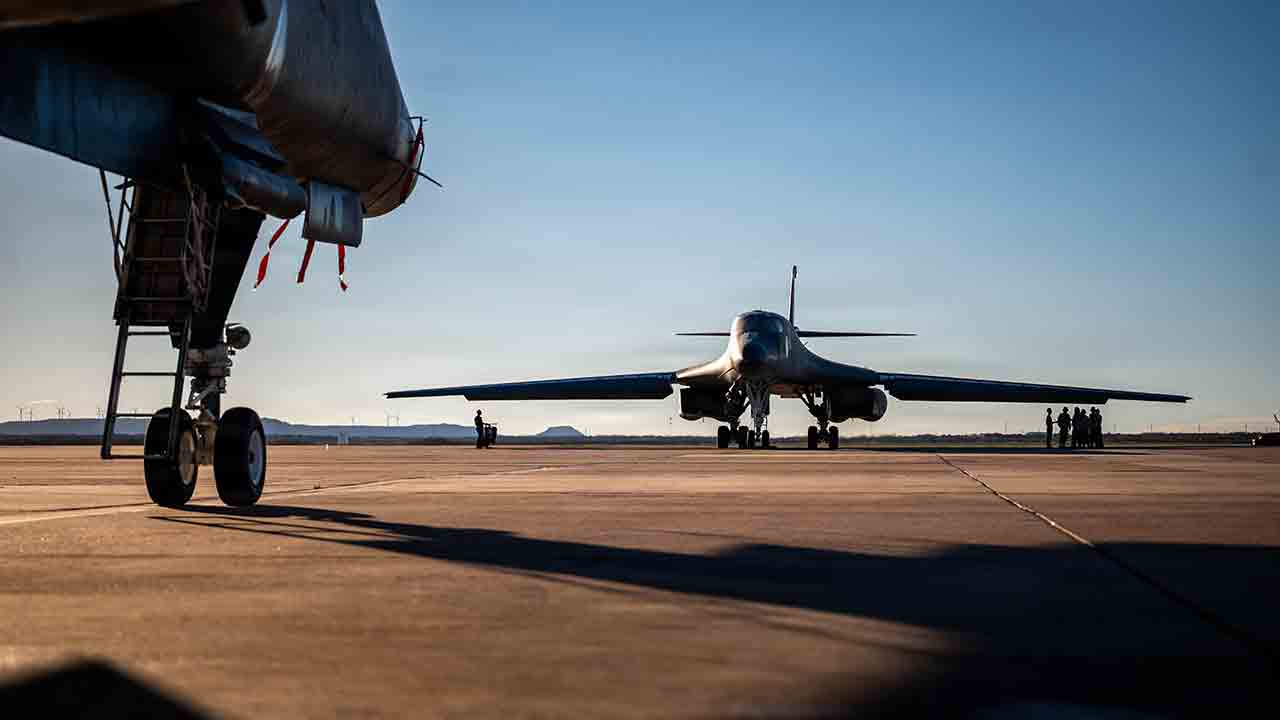
Photos: DVIDS. This content was created with the help of AI and reviewed by the editorial team.
