
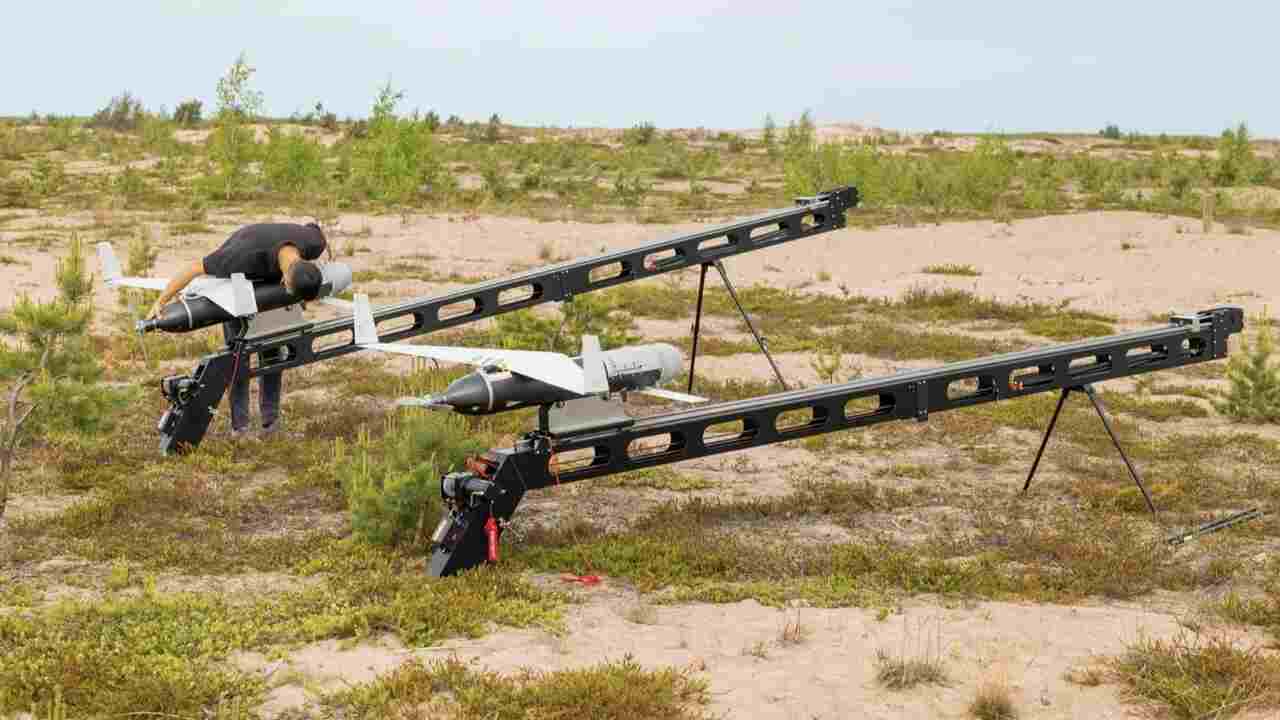
Finland has conducted a series of tests to evaluate new counter-drone technologies, including the Hornet Block 1 interceptor developed by European company Destinus.
The initiative is part of the Finnish Defence Forces’ effort to expand their ability to detect and neutralize unmanned aerial threats, a growing concern among NATO countries since the start of the war in Ukraine, according to Defence Blog.
During the evaluation event, several companies presented drone interception solutions. The Hornet Block 1 attracted particular attention because it was specifically designed to destroy medium-sized drones, loitering munitions, and even swarms of unmanned aircraft, offering a more cost-effective alternative to the use of conventional surface-to-air missiles.
According to Destinus, the system has a range exceeding 75 kilometers and uses a combination of initial radar guidance and AI-assisted electro-optical and infrared sensors during the final phase of interception. Another key feature is its ability to operate in environments where GPS signals are unavailable or subject to electronic interference.
The tests were conducted as part of NATO’s LCI-X (Layered Counter-UAS Initiative), which aims to accelerate the development of technologies capable of addressing the rapid evolution of drone-related threats.
The evaluation of the Hornet comes at a time when Finland is strengthening its defense capabilities following its accession to NATO in 2023. With a border of approximately 1,340 kilometers with Russia, the country considers protection against drones one of the priorities of its security strategy, reflecting a trend seen across several European nations.
+ Jeep promises to give away 100 free Wranglers if the U.S. wins the World Cup
Photo: Ruotuväki. This content was created with the help of AI and reviewed by the editorial team.
