
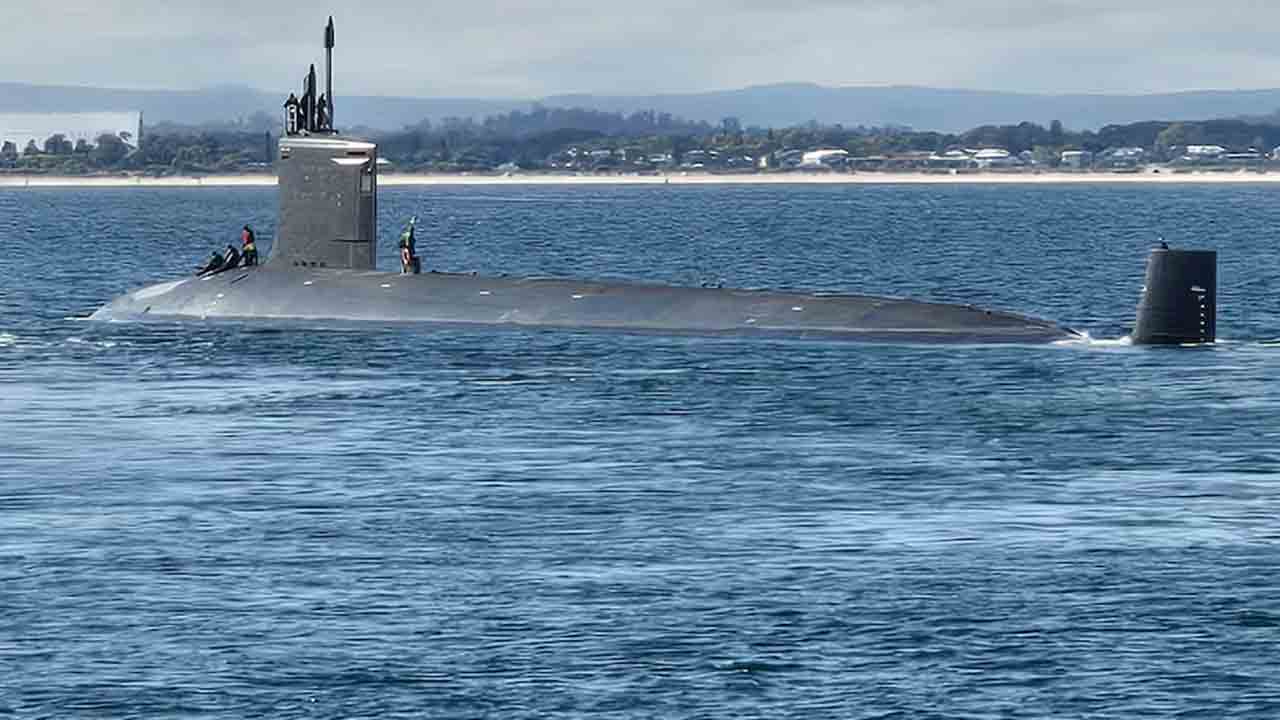
The decision, announced on June 10, 2026, is part of preparations for the creation of the Submarine Rotational Force-West (SRF-West), a structure that will allow the rotation of nuclear-powered attack submarines from the United States and the United Kingdom from Australian territory. The initiative is linked to the AUKUS agreement, a strategic partnership between Australia, the United Kingdom and the United States aimed at strengthening security in the Indo-Pacific.
The new CSS-3 will be tasked with integrating US military personnel with teams from the Royal Australian Navy, creating the maintenance, logistics and operational support base for US and British submarines that will operate from HMAS Stirling. The rotations of nuclear-powered attack submarines, known by the acronym SSN, are scheduled to begin in 2027.
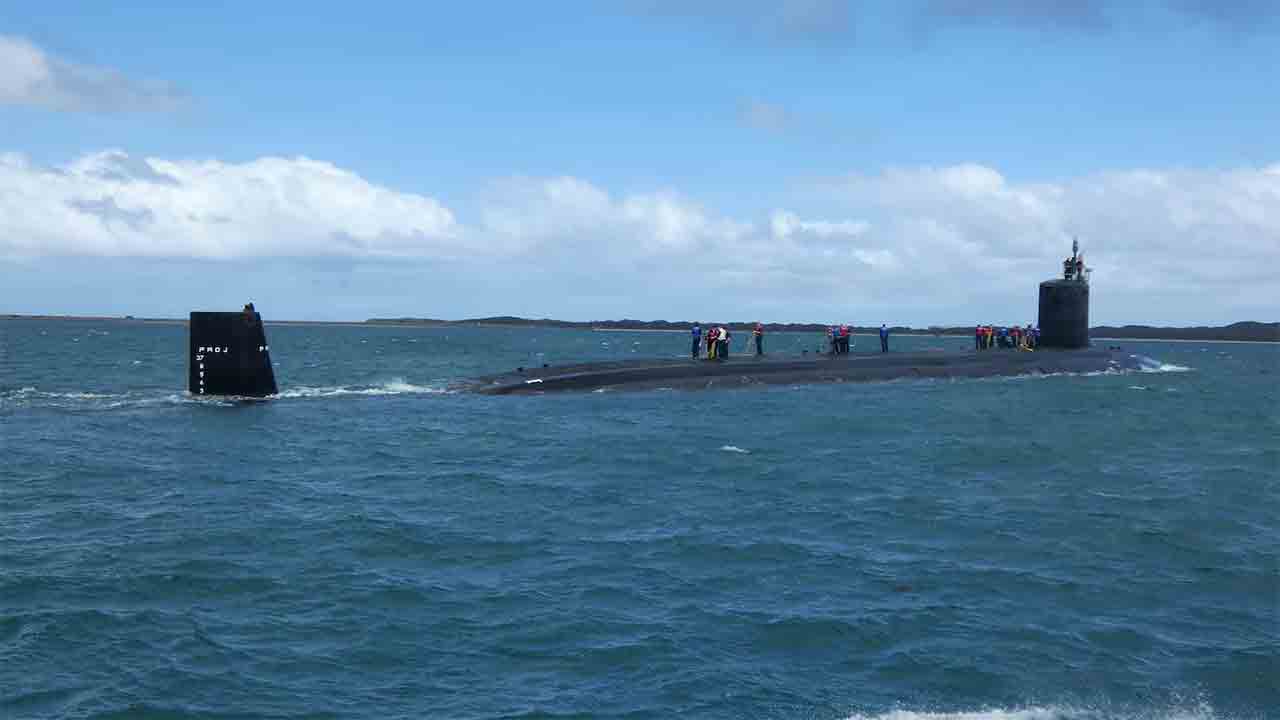
Why does this matter? In practice, the reactivation of the squadron places another important piece on the strategic chessboard of the Indo-Pacific, a region marked by maritime disputes, vital trade routes and growing military competition. By keeping submarines closer to the area of operations, the US seeks to increase response capacity, reduce long deployments and reinforce regional deterrence.
The commander of the Pacific Fleet Submarine Force, Rear Adm. Chris Cavanaugh, said the presence of a forward-deployed squadron increases the agility and readiness of operations. According to him, CSS-3 will allow submarines and crews to respond more quickly in support of US joint missions in the region.
Submarine Squadron 3 is not a new unit. The squadron had previously operated from Pearl Harbor, Hawaii, before being deactivated in February 2012. Now, more than a decade later, it returns with a different role: helping build the infrastructure that will support Australia’s future fleet of nuclear-powered, conventionally armed attack submarines.
The US Navy also reported that the Pearl Harbor Naval Shipyard and Intermediate Maintenance Facility will create a maintenance and logistics detachment in Western Australia in mid-2026. This group will be responsible for supervising and carrying out intermediate maintenance on US submarines linked to SRF-West, while continuing the training of Australian professionals.
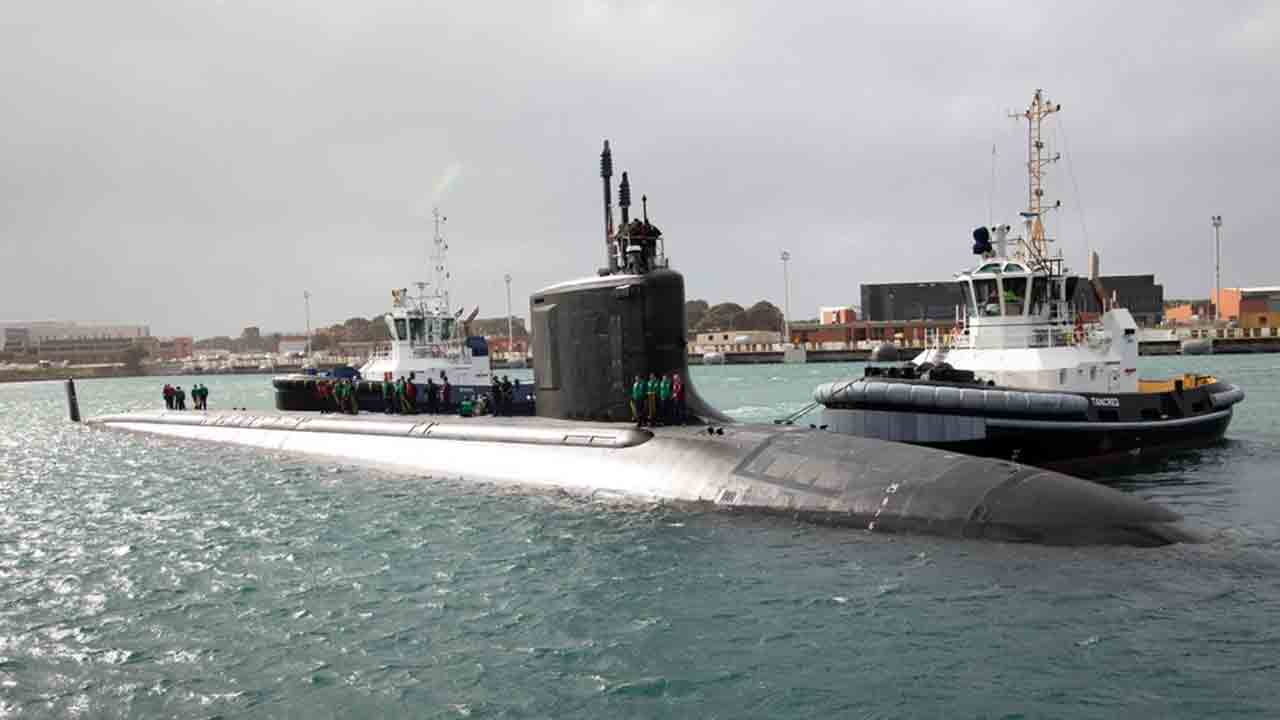
So far, around 20 Australian civilian maintainers and 25 Royal Australian Navy divers and support personnel have already completed training at the Pearl Harbor shipyard. More than 230 additional professionals are still undergoing instruction in Hawaii, in a process considered essential for Australia to develop its own capability to maintain nuclear-powered submarines in the future.
The transformation of HMAS Stirling, an Australian naval base, into an international support point for some of the world’s most advanced submarines. Instead of merely receiving vessels for occasional visits, the facility will now have permanent support, maintenance, logistics and integration structures among allied forces.
Nuclear-powered attack submarines do not necessarily carry nuclear weapons. In the case of AUKUS, the proposal involves submarines with nuclear propulsion, which allows greater autonomy, sustained speed and the ability to remain in operation for long periods. Australia is seeking precisely this technology to replace its current generation of conventional submarines and expand its naval presence in strategic waters.
The reactivation of CSS-3, combined with the creation of Naval Support Activity Stirling, shows that AUKUS is moving from the phase of political announcements to the practical stage of infrastructure, training and operational presence. More than a simple administrative adjustment, the squadron’s return signals a long-term shift in the allied naval posture in the Indo-Pacific.
Source and images: cpf.navy.mil. This content was created with the help of AI and reviewed by the editorial team.
