
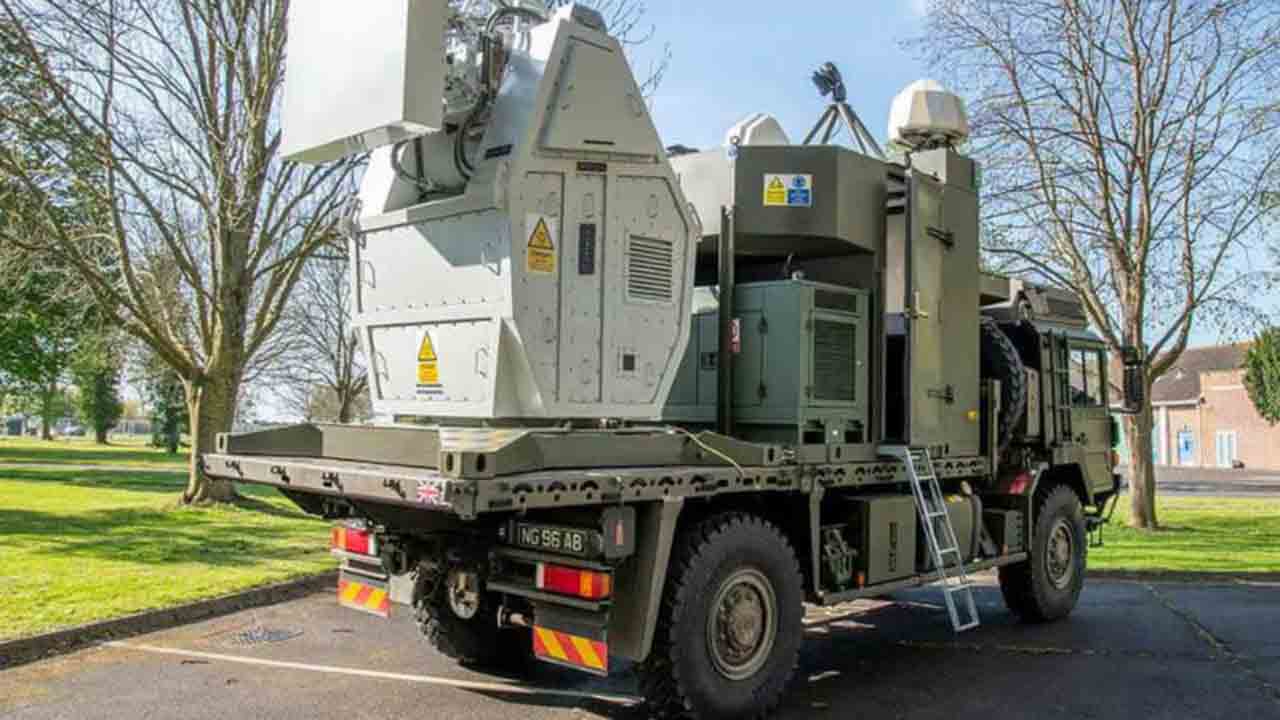
The RapidDestroyer microwave weapon, developed by Thales UK and partners from the British defence industry, has reached an important milestone after destroying 80 drones during a recent series of tests.
The system was created to neutralise swarms of unmanned aircraft using radio-frequency directed energy, a technology considered increasingly relevant amid the growing threat posed by drones on the battlefield.
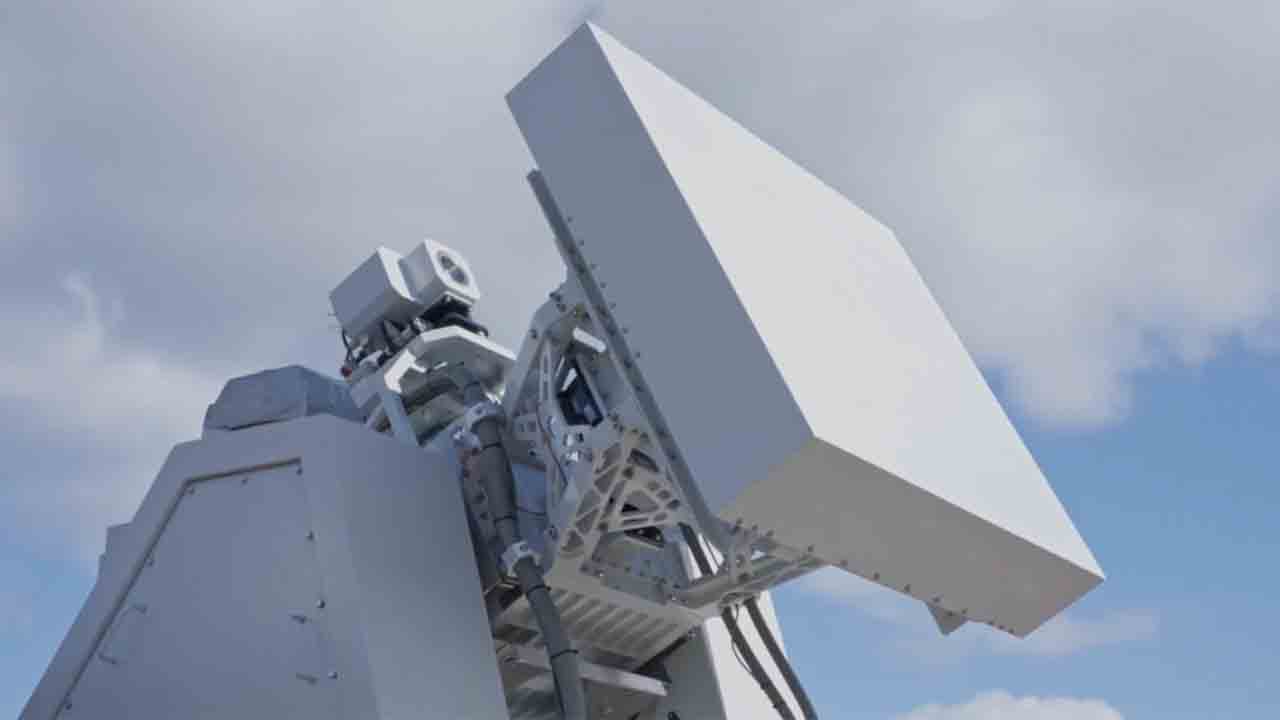
The project is supported by the UK Ministry of Defence and brings together companies such as QinetiQ, Teledyne e2v and Horiba Mira. Unlike conventional systems, RapidDestroyer uses high-frequency radio waves to interfere with and damage critical electronic components in targets, leaving drones unable to continue operating.
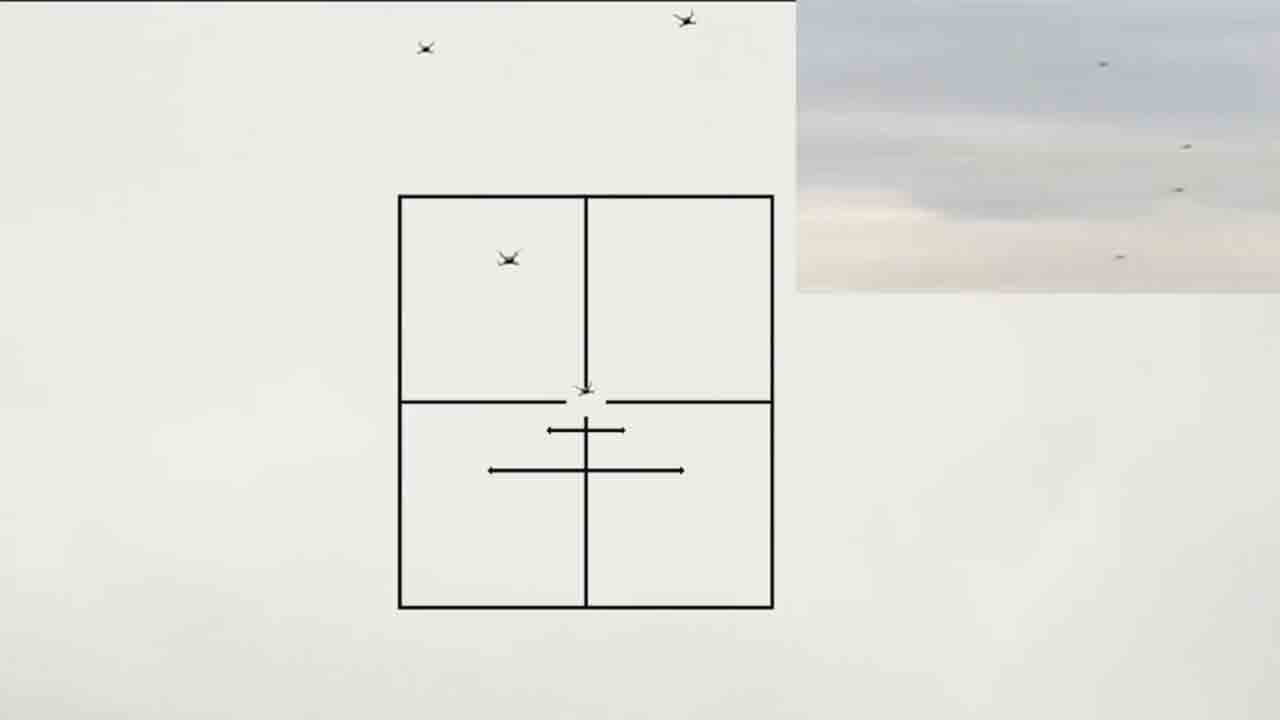
In the latest tests, engineers evaluated a new antenna made up of four panels, capable of better concentrating the energy beam. The improvement increases the amount of energy directed at the target and expands the equipment’s operational range, increasing its effectiveness against aerial threats.
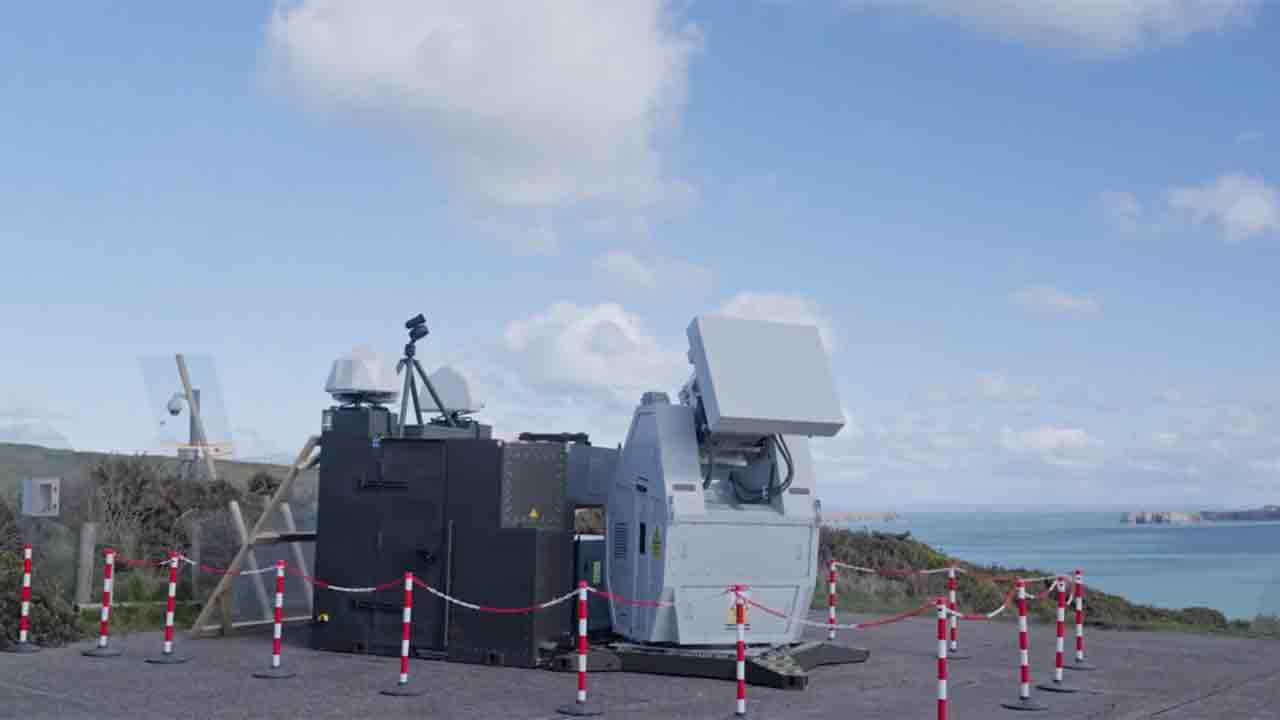
Officially presented in 2024, the system is expected to be integrated into the UK Armed Forces in the coming years. In addition to countering drones, the platform can detect, track and engage land, maritime and aerial targets. Its high level of automation also allows the entire operation to be conducted by a single service member.
🇬🇧🇫🇷 RapidDestroyer (RFDEW) is a high-power microwave weapon developed by Thales UK to counter drone swarms.
⚡ During a test in April 2026 in the United Kingdom, the system destroyed 80 drones in a single operation thanks to its new 4-panel antenna… pic.twitter.com/1BBiGdARlF
— Alex Xplore (@AlexXplore) June 8, 2026
Source: Militarnyi | Photos: GOV.UK | This content was created with the help of AI and reviewed by the editorial team
