
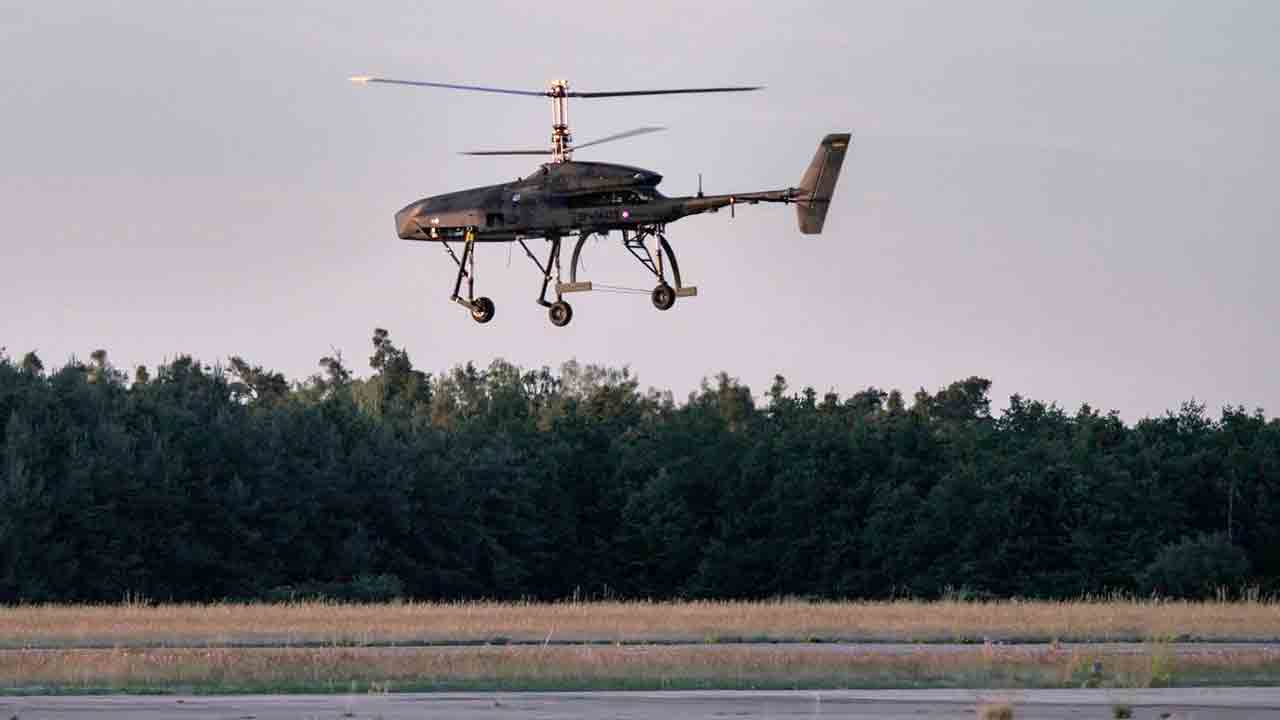
German aerospace technology company AVILUS has completed the first flight of the Wespe 9Y-01 unmanned helicopter, marking an important step forward in the development of autonomous platforms designed for logistics support and medical evacuation missions in combat zones.
The information was reported by the website Defence Blog. During the test, the aircraft demonstrated its ability to hover, as well as perform controlled forward and lateral movements under remote command.
The project was developed to meet a growing need among modern armed forces: removing wounded soldiers from high-risk areas without exposing human crews to threats such as air defence systems, drones and artillery attacks. According to the developers, the use of an unmanned platform can significantly reduce the risks associated with traditional helicopter medical evacuation missions.
The Wespe can carry between 200 and 350 kilograms of cargo, has a range of up to 300 kilometres and a cruising speed of approximately 120 km/h. Another key feature is its simplified logistics: the aircraft can be transported inside a standard 20-foot container, making it easier to move and rapidly deploy in different theatres of operation.
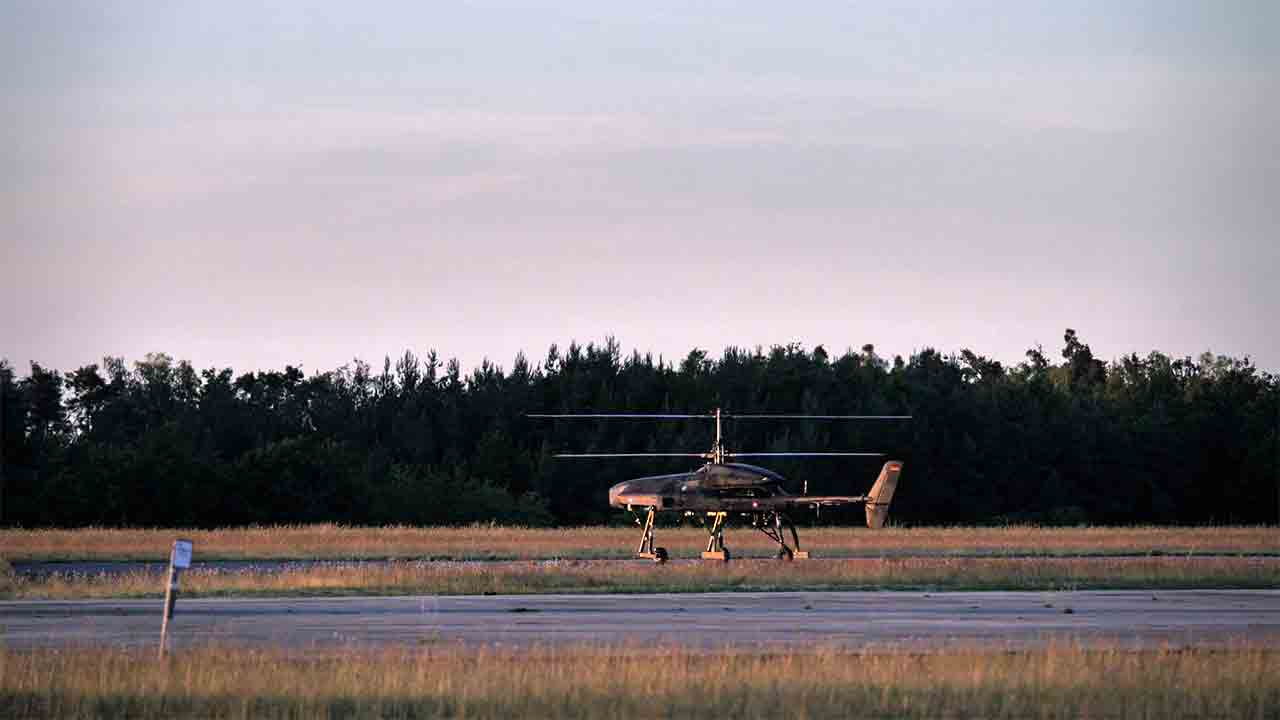
The inaugural flight was carried out with the support of the RasCore Ground Control Station, used to monitor and command the aircraft during the tests. The company said the programme will continue moving forward to validate new features and expand the platform’s operational capabilities.
“The crew and the aircraft were ready, and the flight confirmed that confidence. We look forward to the next stages of development and flight testing,” said Carlos Hünteler, chief engineer of the Wespe.
Source and images: Defence Blog | AVILUS. This content was created with the help of AI and reviewed by the editorial team.
