
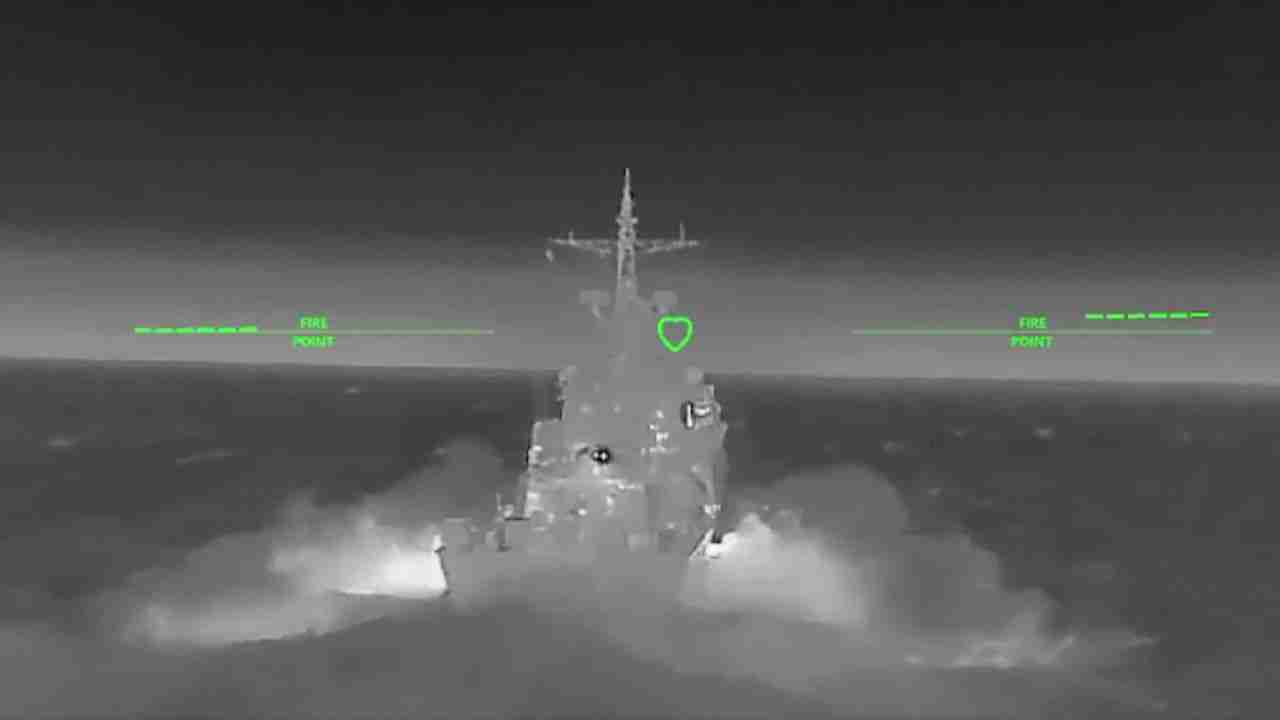
Ukraine has once again expanded the reach of its military operations by striking a Russian vessel in the Caspian Sea, more than 1,500 kilometers away from its borders.
Images released by the Unmanned Systems Forces show an FP-1 drone attacking a Svetlyak-class patrol boat in the port of Kaspiisk, Dagestan, the region that hosts the headquarters of Russia’s Caspian Flotilla.
According to analyses by Russian military monitoring groups, the vessel attempted to respond to the attack using the AK-630 defensive system before being hit. The detail reinforces that the ship was on alert and actively engaged in combat, increasing the operational significance of the Ukrainian offensive, which is viewed as a demonstration of Kyiv’s growing ability to conduct long-range missions.
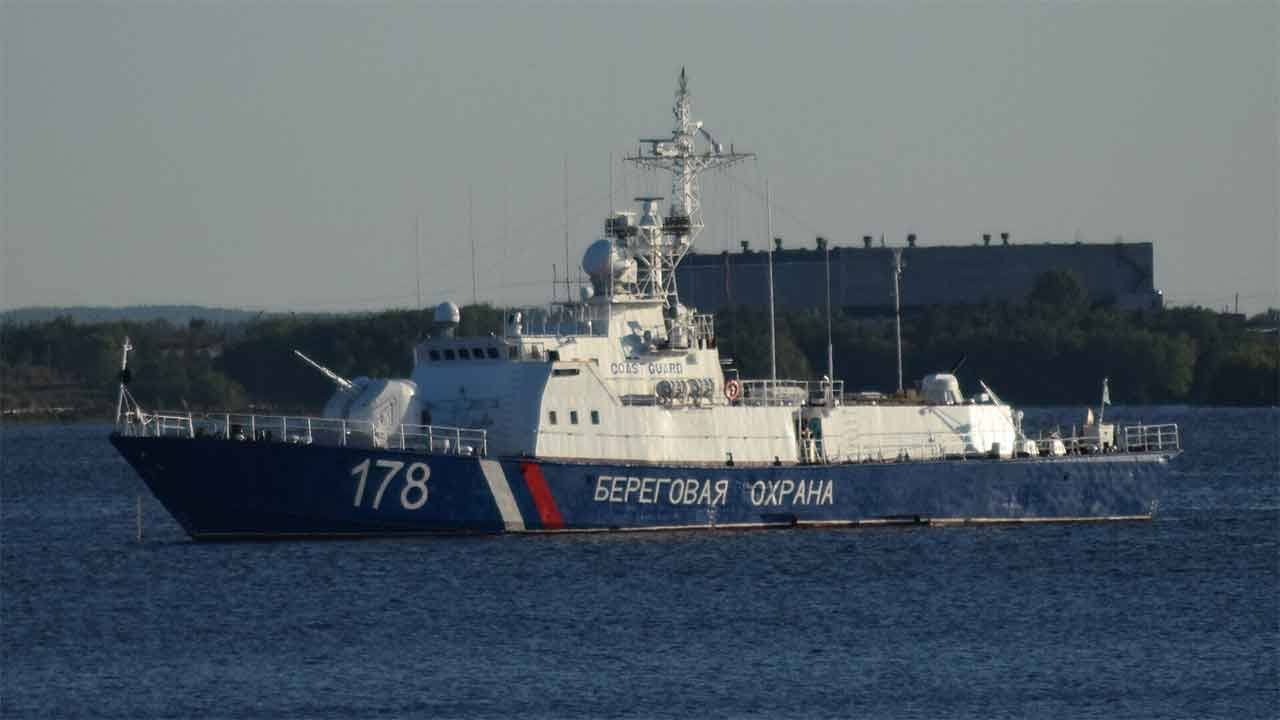
In addition to the attack on the patrol boat, Ukrainian authorities stated that drones also struck other military ships and three offshore Lukoil platforms in the Caspian Sea.
According to Kyiv, the oil installations were being used to support Russian logistical operations. If the damage is confirmed, the attacks could represent a new phase in Ukraine’s strategy of pressuring Russia’s energy and military infrastructure.
The recent strikes are part of a campaign that has intensified in the Caspian Sea since 2024. In recent months, Ukrainian drones had already damaged vessels armed with Kalibr missiles and other Russian patrol ships in the region. The development shows that areas once considered distant and secure by Moscow are now within the operational reach of Ukrainian forces.
During May 16–17, the Unmanned Systems Forces grouping delivered middle strikes on a “Tor-M2” SAM system, logistics infrastructure, command and communication nodes, UAV control points, a border patrol ship, and other enemy targets
Operators of the @1usc_army a strategic secure… pic.twitter.com/mnt96q0hwc
— 🇺🇦 Unmanned Systems Forces (@usf_army) May 17, 2026
+ Australia and Norway sign agreement for regional missile production
Source: Defence Blog | Photo: X @usf_army | This content was created with the help of AI and reviewed by the editorial team
