
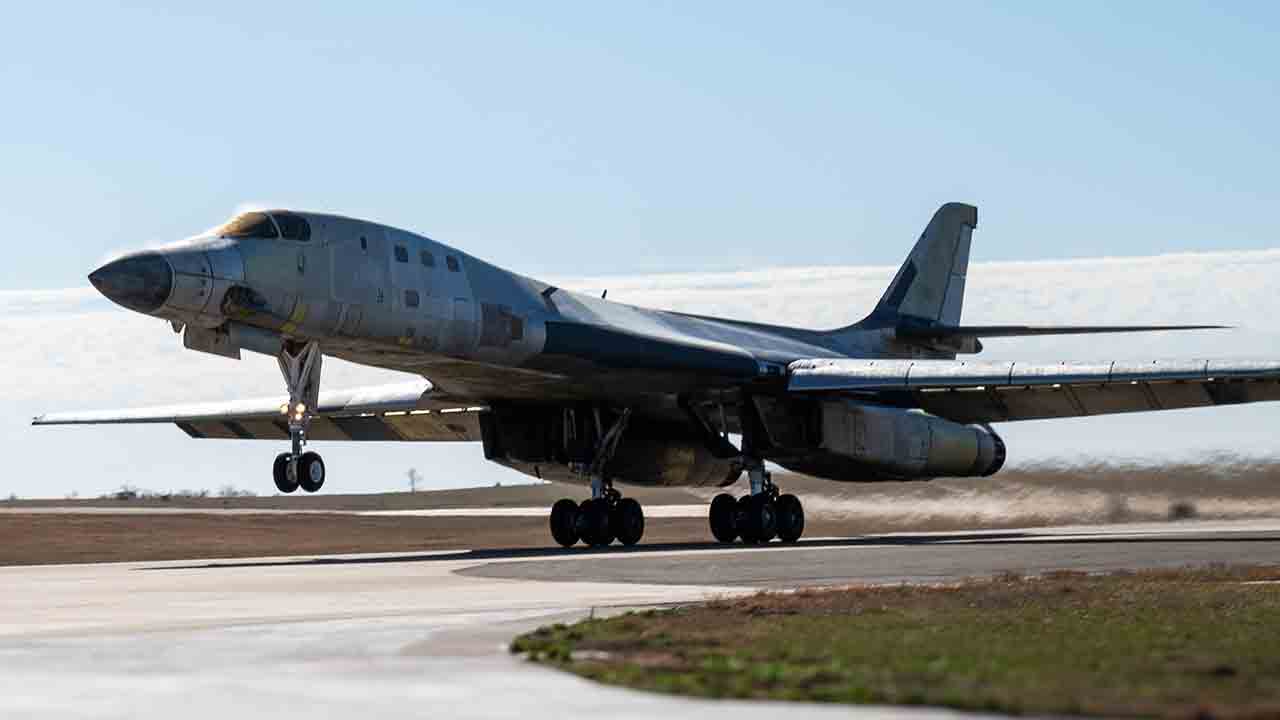
After spending years stored in the Arizona desert, a B-1B Lancer bomber was recovered through a complex maintenance process and returned to operation in the U.S. fleet.
A B-1B Lancer from the United States Air Force has returned to the skies after nearly two years of intensive work at Tinker Air Force Base in Oklahoma.
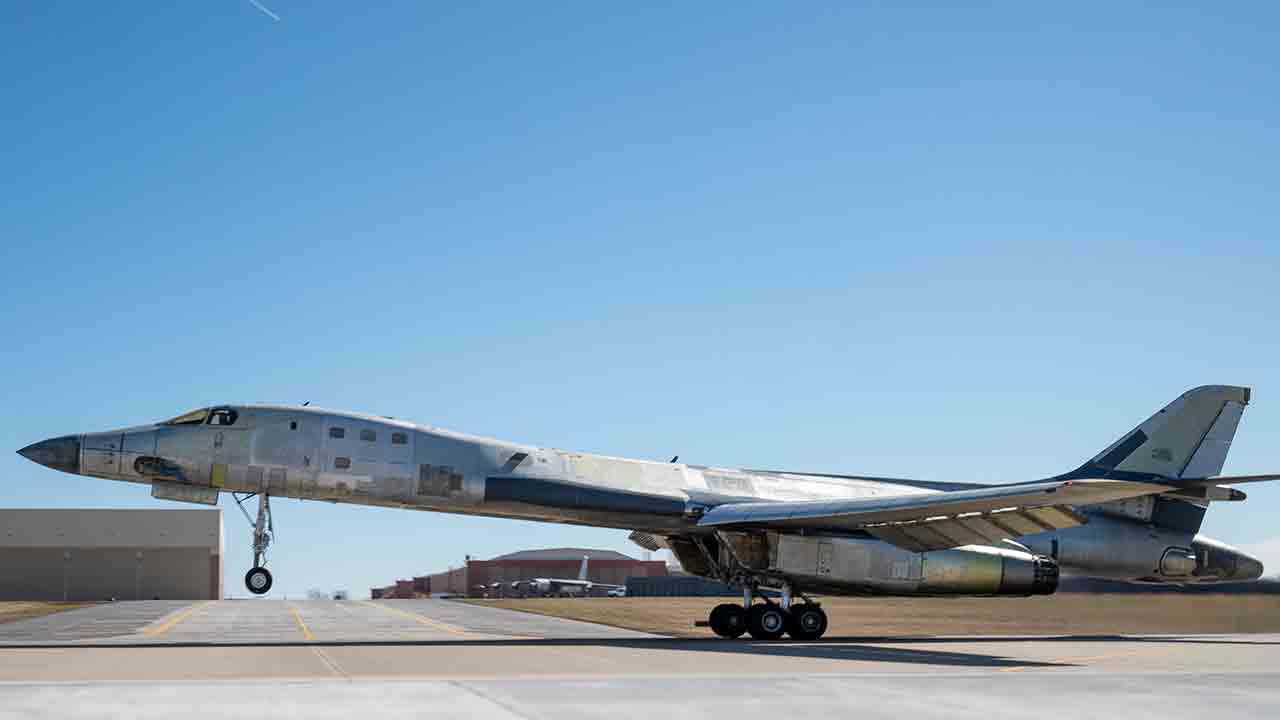
The aircraft had been removed from long-term storage at the 309th Aerospace Maintenance and Regeneration Group at Davis-Monthan Air Force Base in Arizona — a site popularly known as the “boneyard,” or “aircraft graveyard.” The bomber left Tinker on April 22, 2026, after the completion of the regeneration and depot-level maintenance process.
From the desert back to the mission
The work was led by the Oklahoma City Air Logistics Complex and involved an extensive overhaul to return the aircraft to operational status. According to Tinker Air Force Base, the B-1B had been placed in storage in 2021 and underwent a recovery process that included structural repairs, system inspections and component replacement.
For Jason “JJ” Justice, a technical analyst with the B-1 System Program Office at Tinker, the aircraft’s return carried special meaning. A retired service member, he was part of the team that sent the jet into storage and, years later, helped in the effort to bring it back.
“I’ve been on this jet for 32 years,” Justice said, describing the feeling of seeing the aircraft once again ready to support operations.
More than 200 people involved
Behind the bomber’s recovery was a team that often works far from the spotlight of the flight line. More than 200 Airmen and civilians from the 567th Aircraft Maintenance Squadron took part in the project, working extended shifts to carry out inspections, repairs and the replacement of more than 500 components.
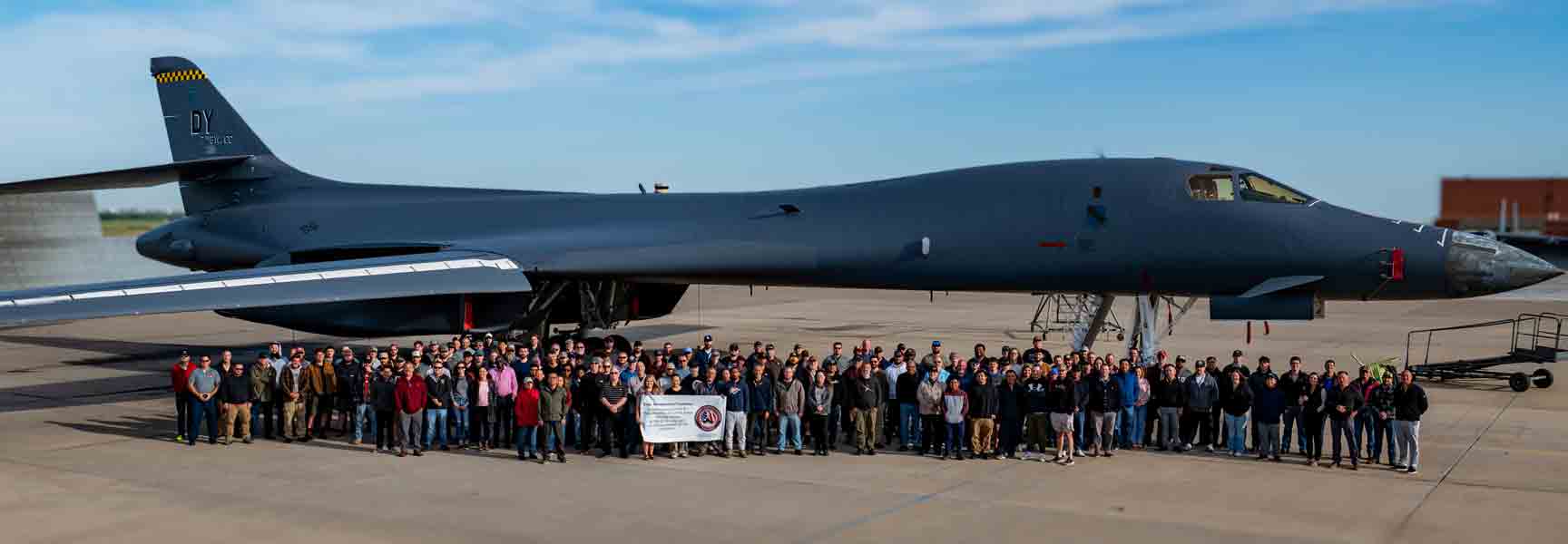
The effort required coordination among different technical areas. According to Steven Mooy, master scheduler for the 567th AMXS, the team faced significant obstacles in carrying out repairs considered critical within the bomber community.
Unpainted test flights
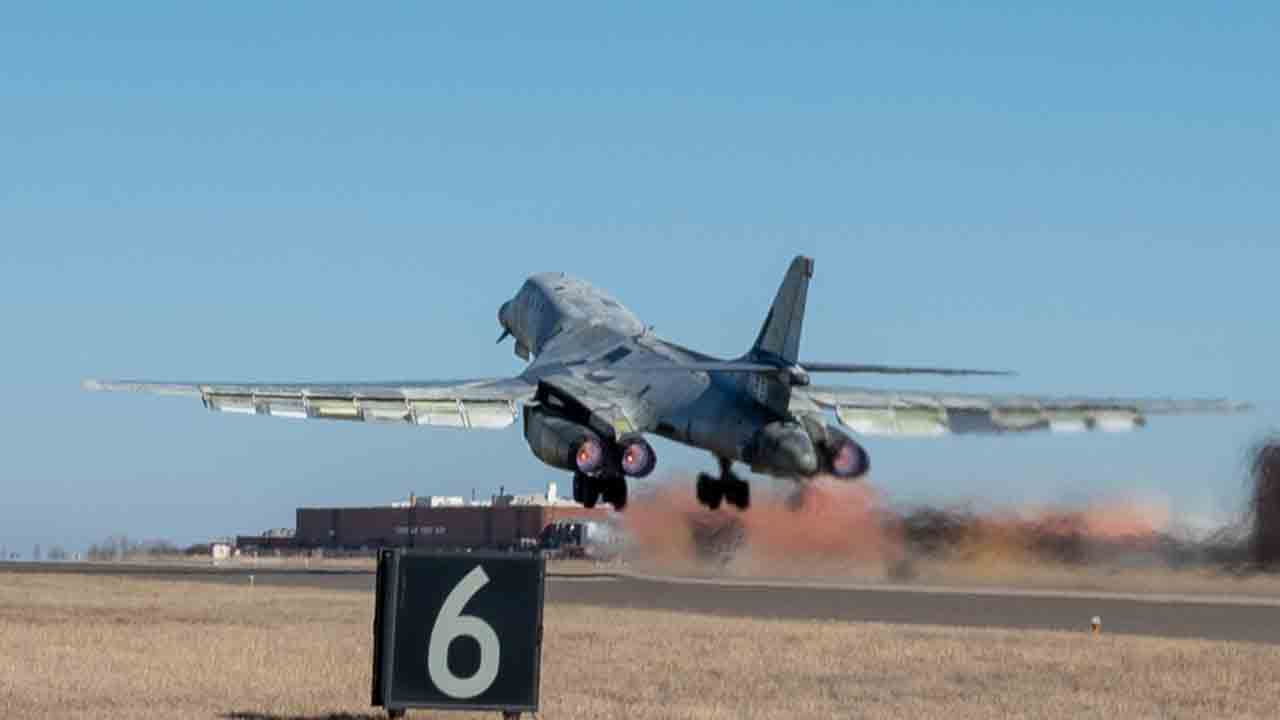
One of the most curious stages of the process took place during functional check flights. Pilots from Tinker’s 10th Flight Test Squadron took the B-1B into the skies over Oklahoma in a stripped-down configuration, without paint and with exposed metal.
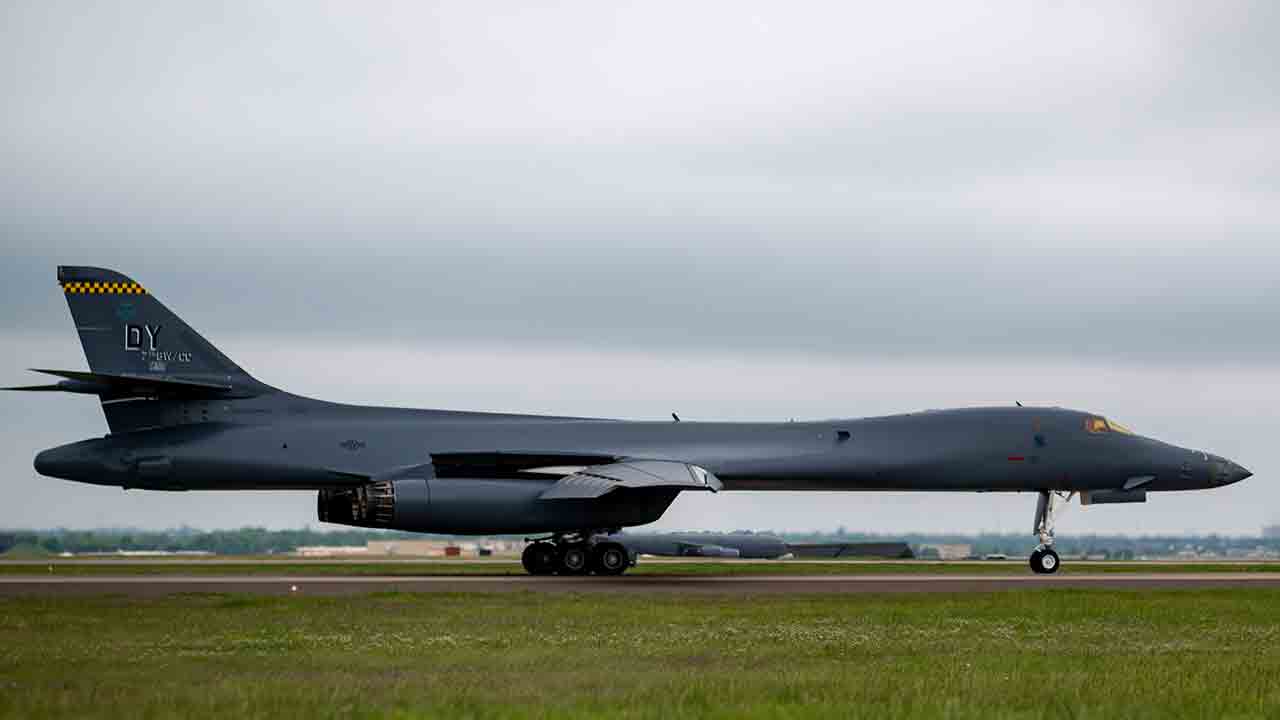
These flights were intended to validate the aircraft’s performance and confirm that its systems were functioning properly after heavy maintenance. Only after being deemed fully mission capable did the aircraft move on to the final stage: painting.
At the paint facility, three rotating teams worked around the clock to prepare the bomber for final delivery.
Legacy preserved as the fleet is modernized
The regeneration comes at a time when the U.S. Air Force is advancing the modernization of its bomber fleet while also maintaining legacy platforms considered important for current operations.
The case also highlights the strategic role of depot maintenance in extending the service life of military aircraft. Instead of remaining permanently in the desert, the B-1B was recovered and reintegrated into the active fleet.
After leaving Tinker, the aircraft returned to Dyess Air Force Base in Texas, where it resumed operations with a new name and nose art. According to Air Force records, the jet received the identification “Apocalypse II,” a tribute linked to the history of the 7th Bomb Wing.
“We have the right people doing the right work,” Justice said. “That’s what makes something like this possible.”
Source and images: U.S. Air Force | Tinker Air Force Base. This content was created with the help of AI and reviewed by the editorial team.
