
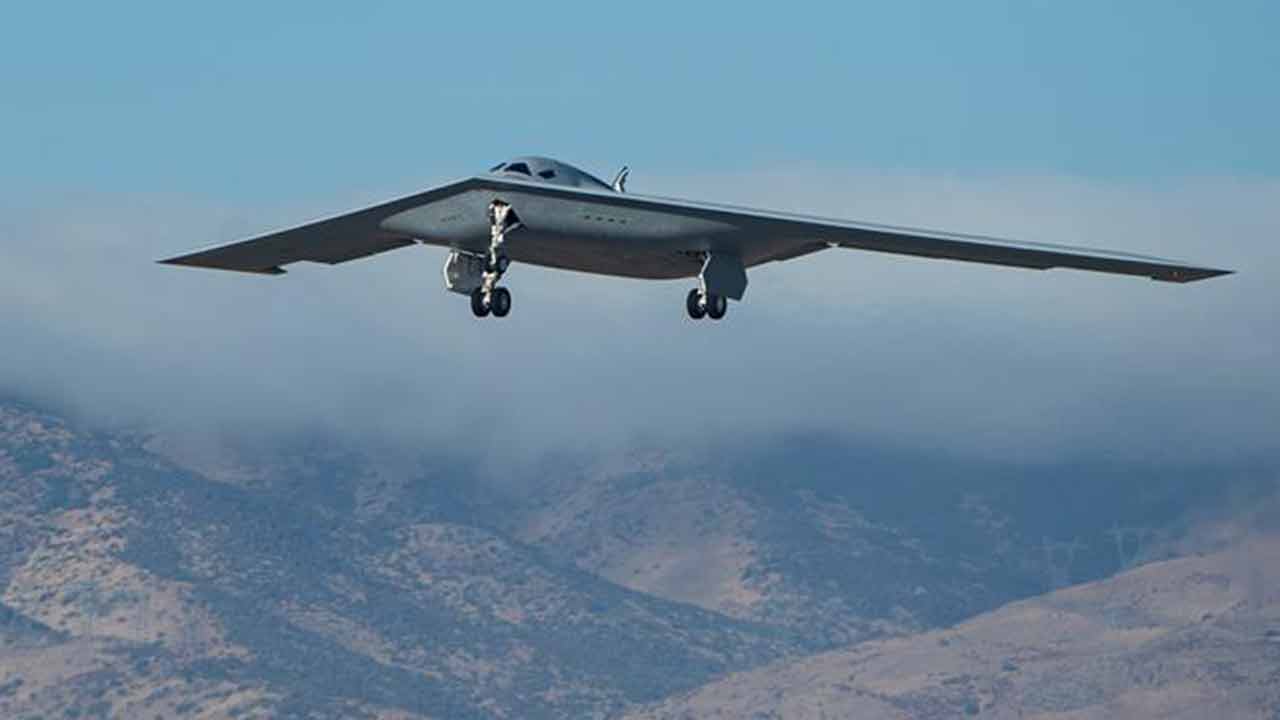
Northrop Grumman highlights accelerated production, promising tests, and technological advances of the new stealth bomber in a list format for a more direct and engaging read.
Northrop Grumman has presented an update on the progress of the B-21 Raider, an aircraft that holds a central position in the U.S. Air Force plans for the next generation of strategic bombers. Instead of a traditional approach, the data released by the company allows the story to be organized into a list of key points that help explain why the program has been attracting so much attention.
1. The B-21 is seen as the next generation of U.S. strike capability
According to Northrop Grumman, the Raider represents the next evolution of the U.S. Air Force’s strategic bomber fleet and is presented as the first sixth-generation aircraft to take to the skies.
2. Stealth is one of the core pillars of the project
The company states that the B-21 combines decades of innovation in stealth technology with greater range and a reduced signature, designed to face advanced air defense systems.
3. The bomber may rely less on tanker aircraft
One of the highlights mentioned by the manufacturer is the use of more efficient engines integrated into a more refined airframe, which could reduce the need for refueling support compared to previous models.
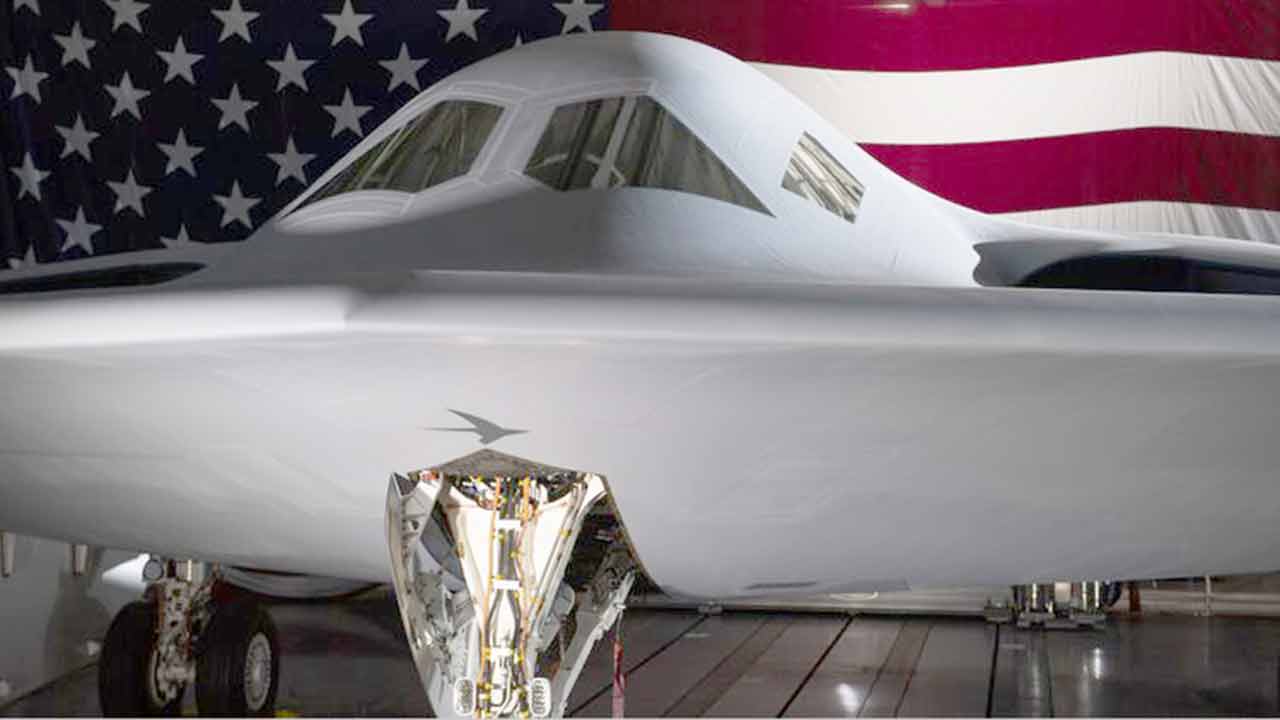
4. The goal is to strike targets anywhere in the world
Northrop Grumman states that the B-21 was designed to hold any target at risk, in any region, with the flexibility to operate across different conflict scenarios.
5. The Raider will have both conventional and nuclear capabilities
The program was designed to provide response options with both conventional and nuclear weapons, reinforcing its role in U.S. strategic deterrence.
6. Production is being accelerated with multi-billion-dollar investment
According to the company, more than $5 billion has already been invested in the program’s digital and industrial infrastructure, aimed at expanding production and sustaining future fleet growth.
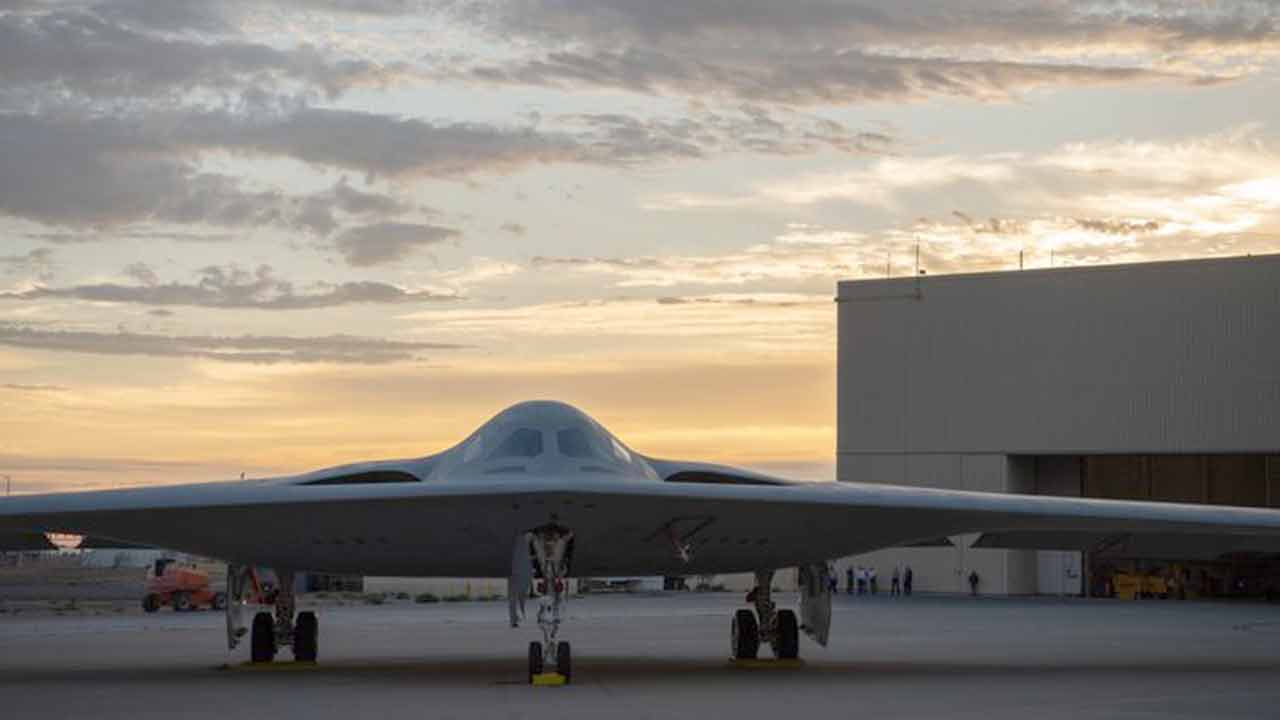
7. The program is already showing concrete gains in software and testing
Northrop Grumman reports that the B-21’s digital ecosystem has reduced software certification time by 50% and now enables real-time validation during testing.
8. Multiple aircraft are already in flight testing
The manufacturer stated that several B-21 units are currently participating in flight tests and that many sorties have recorded “code one” status, indicating a return without the need for corrective maintenance before the next mission.
9. The aircraft was designed to enter service ready
The company says it is already developing training, sustainment, and fleet management tools to ensure a more prepared and scalable entry into operational service.
10. The B-21 carries a name with historical significance
The name Raider is a tribute to the Doolittle Raid, a mission conducted during World War II that became a symbol of boldness and innovation in U.S. military aviation.
With production accelerating, tests advancing, and strong industrial investment, the B-21 Raider is establishing itself as one of the most strategic programs in U.S. military aviation. For Northrop Grumman, the project represents not just a new bomber, but a platform designed to operate in high-threat environments and evolve alongside the battlefield in the decades ahead.
+ Damaged Stratotanker spotted in the United Kingdom before returning to the U.S. for repairs
Source and images: Northrop Grumman. This content was created with the help of AI and reviewed by the editorial team.
