
The United States Army is converting the 56th Stryker Brigade Combat Team of the Pennsylvania Army National Guard into a Mobile Brigade Combat Team.
According to an announcement from the Joint Force Headquarters – Pennsylvania National Guard, the transition is scheduled to take effect by March 31, 2026.
Under the new structure, the 56th Stryker Brigade Combat Team will transition from a wheeled armored brigade to a Mobile Brigade Combat Team (MBCT).
Mobile Brigade Combat Teams are designed to deploy rapidly and move infantry units across varied terrain while maintaining the ability to coordinate reconnaissance, engineering, communications, and support functions.
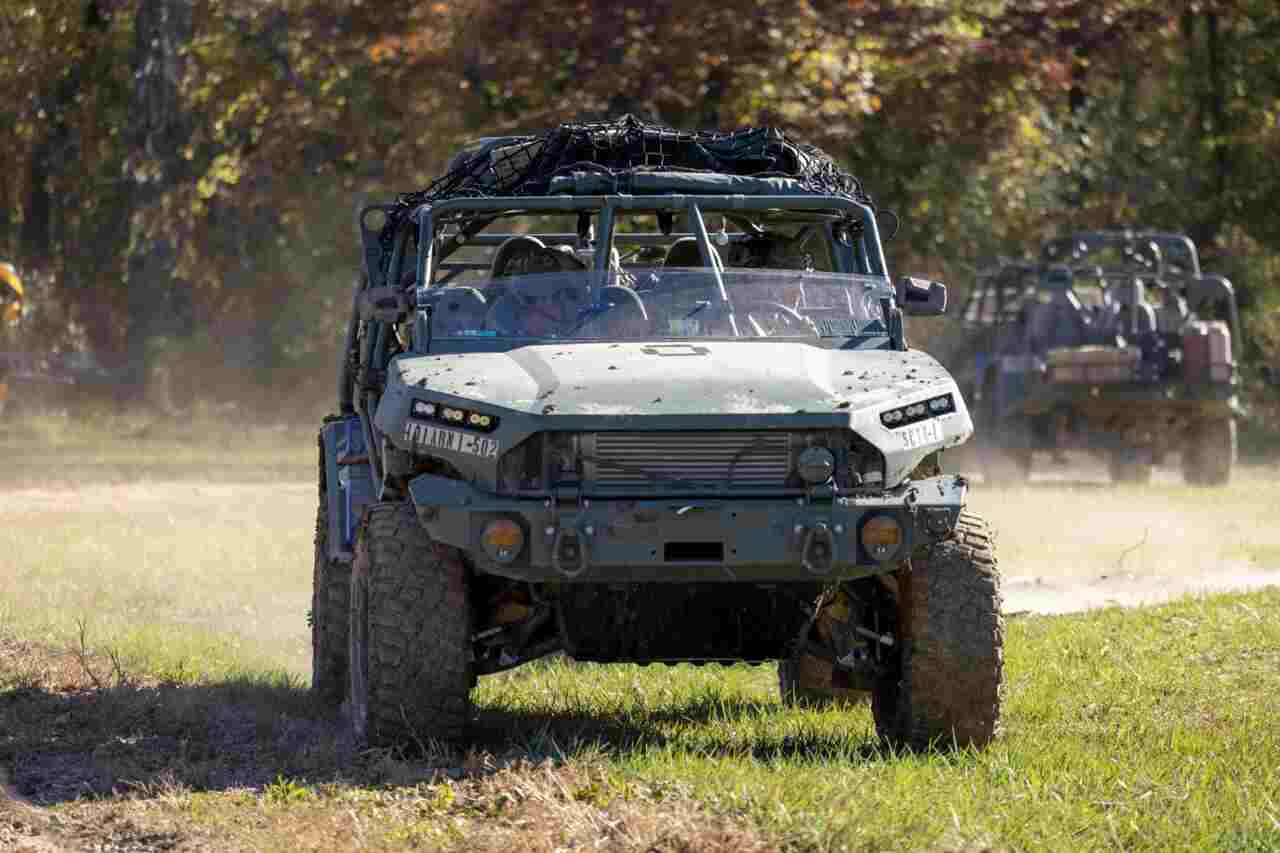
The change will replace the brigade’s Stryker armored vehicle structure with a lighter formation centered on the Infantry Squad Vehicle (ISV), according to the Pennsylvania National Guard.
Unlike armored vehicles such as the Stryker, the ISV focuses on the rapid transport of infantry squads rather than direct combat protection. The platform is designed to carry soldiers and their equipment across rough terrain and can be transported by military aircraft or helicopters.
Operationally, lighter vehicles such as the ISV allow infantry units to maneuver quickly during expeditionary or dispersed operations. The platform’s reduced weight and simplified design enable it to operate in environments where heavier armored vehicles may be restricted by terrain or logistical constraints.
According to the website Defence Blog, the restructuring is part of a broader Army transformation initiative directed in May 2025 by the Secretaries of Defense and the Army.
The effort aims to adjust the force structure of active-duty components, the National Guard, and the Army Reserve in response to evolving operational requirements and the changing nature of modern conflict.
The structural transition will also involve several changes to the brigade’s subordinate units. The 2nd Squadron, 104th Cavalry Regiment will be deactivated as part of the restructuring, while a multifunctional reconnaissance company will be formed using elements from existing units.
The 103rd Brigade Engineer Battalion will also be deactivated. In its place, the new brigade structure will establish several specialized units formed from existing components, including a combat engineer infantry company, a signal company, and a military intelligence company.
Support elements are also being modified to align with the new operational structure, while the brigade’s artillery component will also change its structure. The current restructuring represents a major shift in the brigade’s equipment and operational role after more than two decades as a wheeled armored brigade.
Photo: Dominic Acuna. This content was created with the help of AI and reviewed by the editorial team.
