
Flying cars have always been a staple in science fiction movies. Productions from decades ago imagined a future where we would all have flying vehicles at our disposal.
Reality, however, is still far from that—at least for now. Among the companies dedicated to turning this idea into something concrete is Aridge, a subsidiary of the Chinese company Xpeng, which has been making progress in bringing its flying models to life.
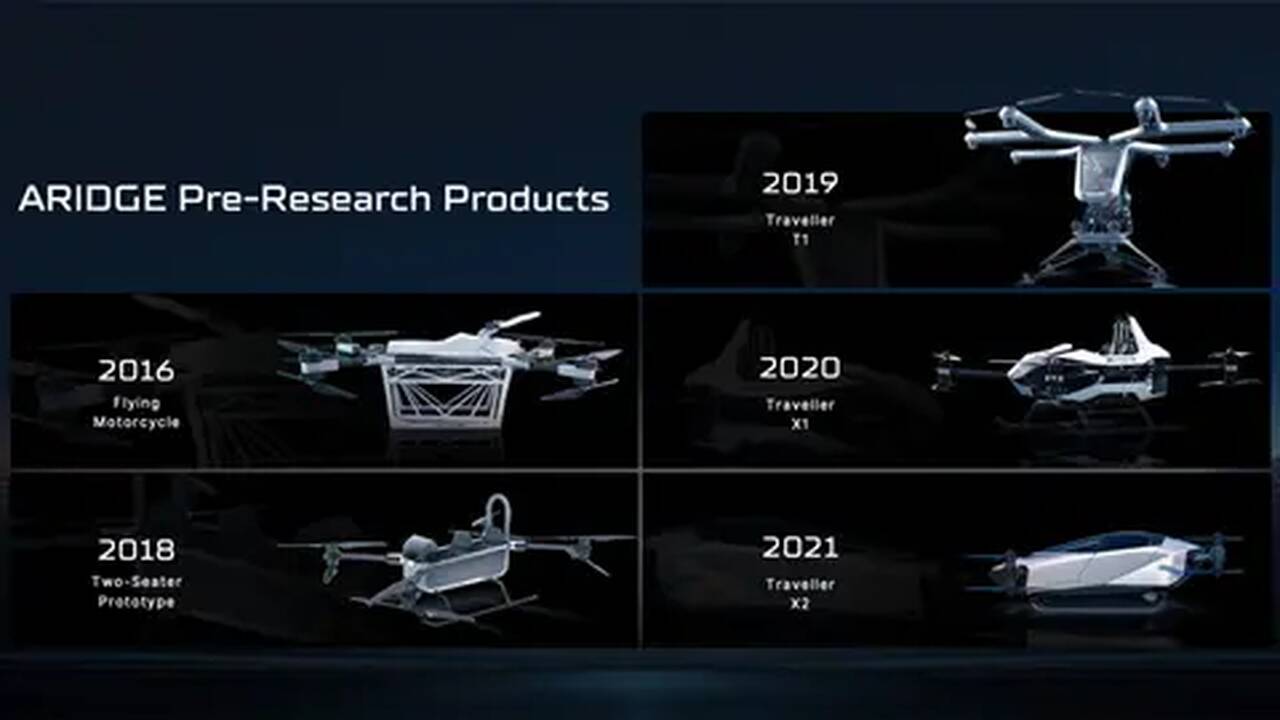
Aridge, founded in 2013, began releasing its first concepts in 2016 and, by 2018, achieved its first successful flight with a vehicle that resembled a motorcycle chassis strapped to four giant fans.
Since then, Aridge has designed and flown a handful of drone-inspired prototypes, such as the Traveller T1, X1, and X2. But now, the company has started thinking beyond the concept phase and moving toward commercialization.
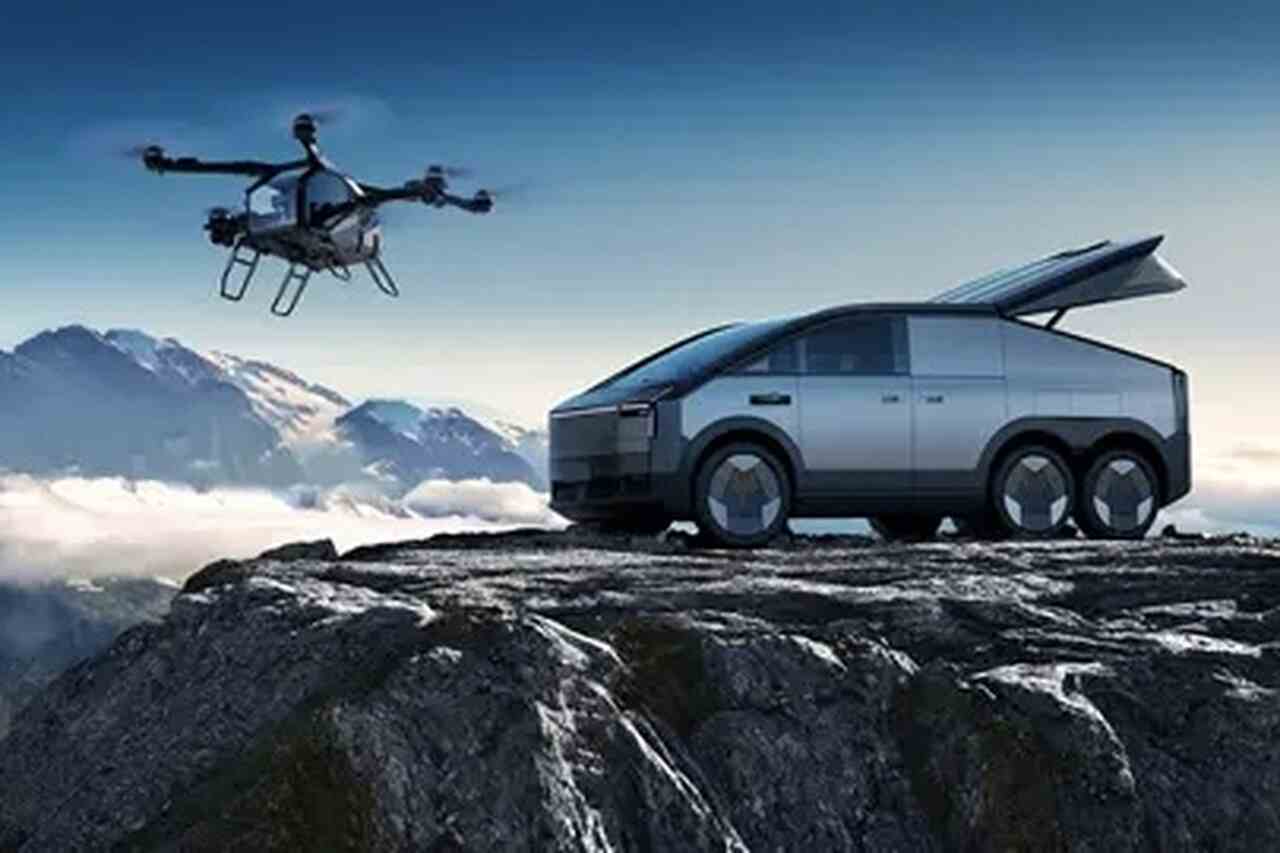
Its main bet is the Land Aircraft Carrier, a fully electric MPV with a deployable manned drone powered by battery and artificial intelligence. It was created as a kind of “leisure helicopter” that can be stored in the car’s trunk.
The idea is for you and your family to explore the skies and return to the vehicle to recharge the battery. It’s worth noting that the helicopter can only reach an altitude of about 120 meters and has a flight time of around 20 minutes.
Despite this, many companies have expressed interest in acquiring it, Aridge told the British website Car Magazine. Zhongkai He, the company’s International Communications Manager, revealed that they have already received 7,000 orders for the Land Aircraft Carrier, even though it has not yet been approved by regulatory authorities.
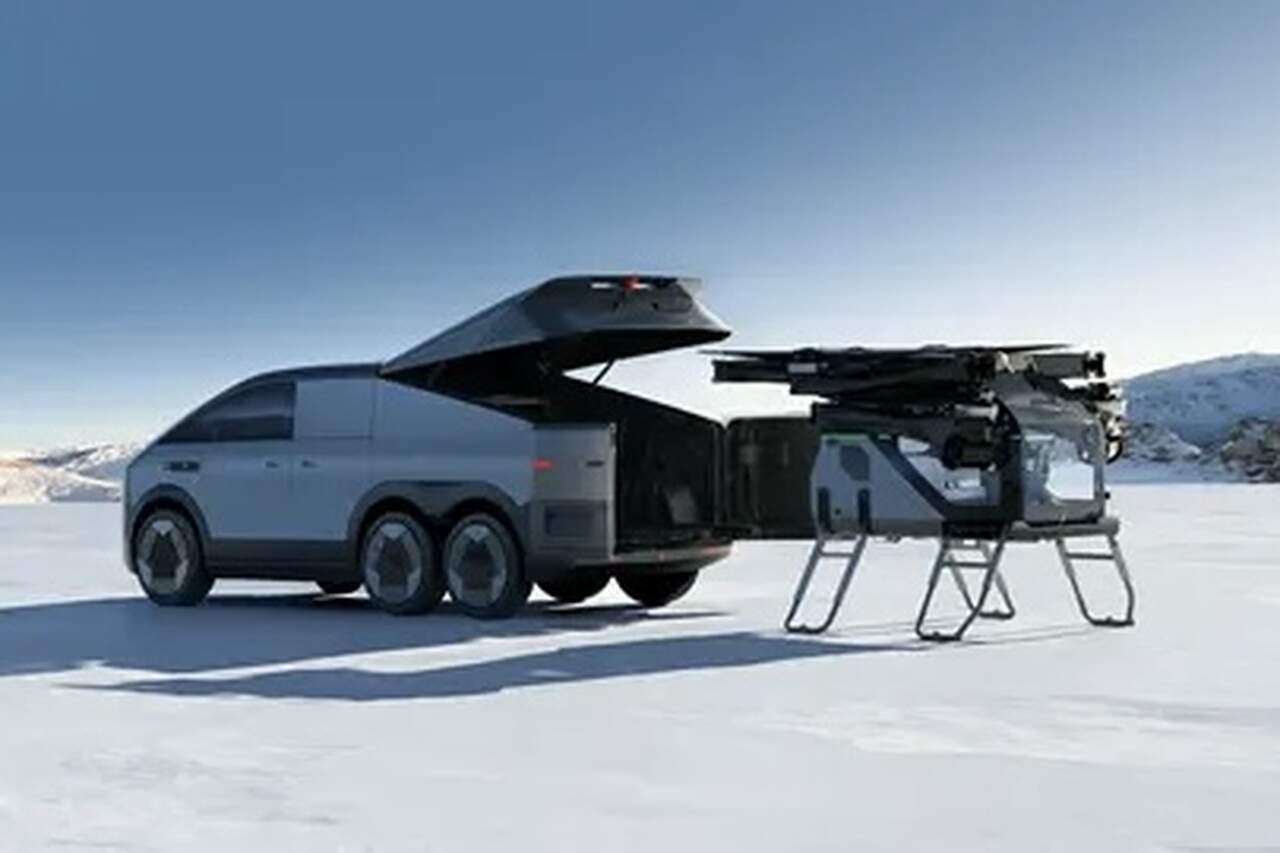
The price of a Land Aircraft Carrier unit is around US$ 260,000, which is extremely competitive considering that a basic helicopter costs at least US$ 660,000.
Once sales of the Land Aircraft Carrier gain traction, Aridge will shift its focus to phase two of its plan: the A868J, a VTOL that the company insists is a “flying car.”
Unlike the Land Aircraft Carrier, which is a leisure vehicle for wealthy individuals, the A868J was designed for work. It is expected to cover up to 500 km at a maximum speed of 360 km/h, thanks to a large battery and a gasoline range extender.
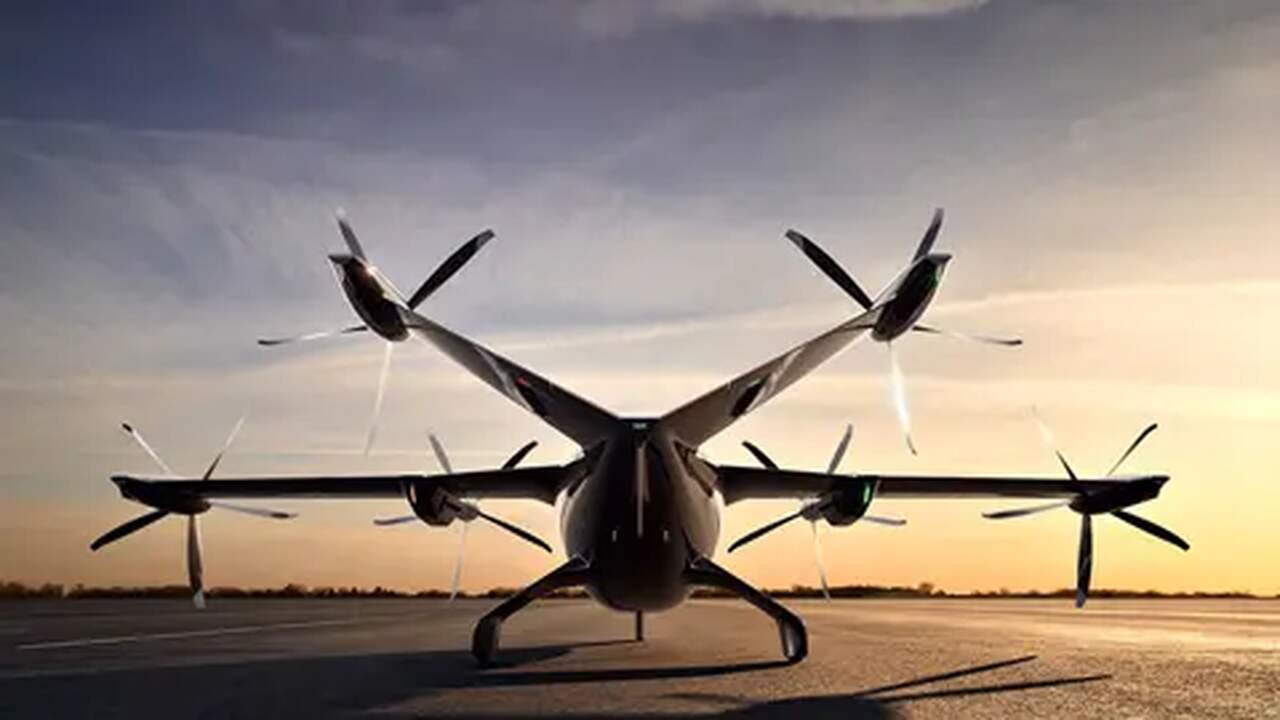
The A868J has already completed its takeoff and landing tests. Aridge now plans to test its long-range flight capabilities in 2026. If all goes well, the VTOL should be available for purchase within the next three to four years.
Finally, once all of this is completed, Aridge will move to the final phase: combining driving and flying into a single vehicle. That’s right, the company plans to launch an eVTOL that integrates both functions, as shown below.
For now, however, current technological limitations are slowing down development, according to Tan Wang, co-founder, vice president, and chief designer of Aridge.
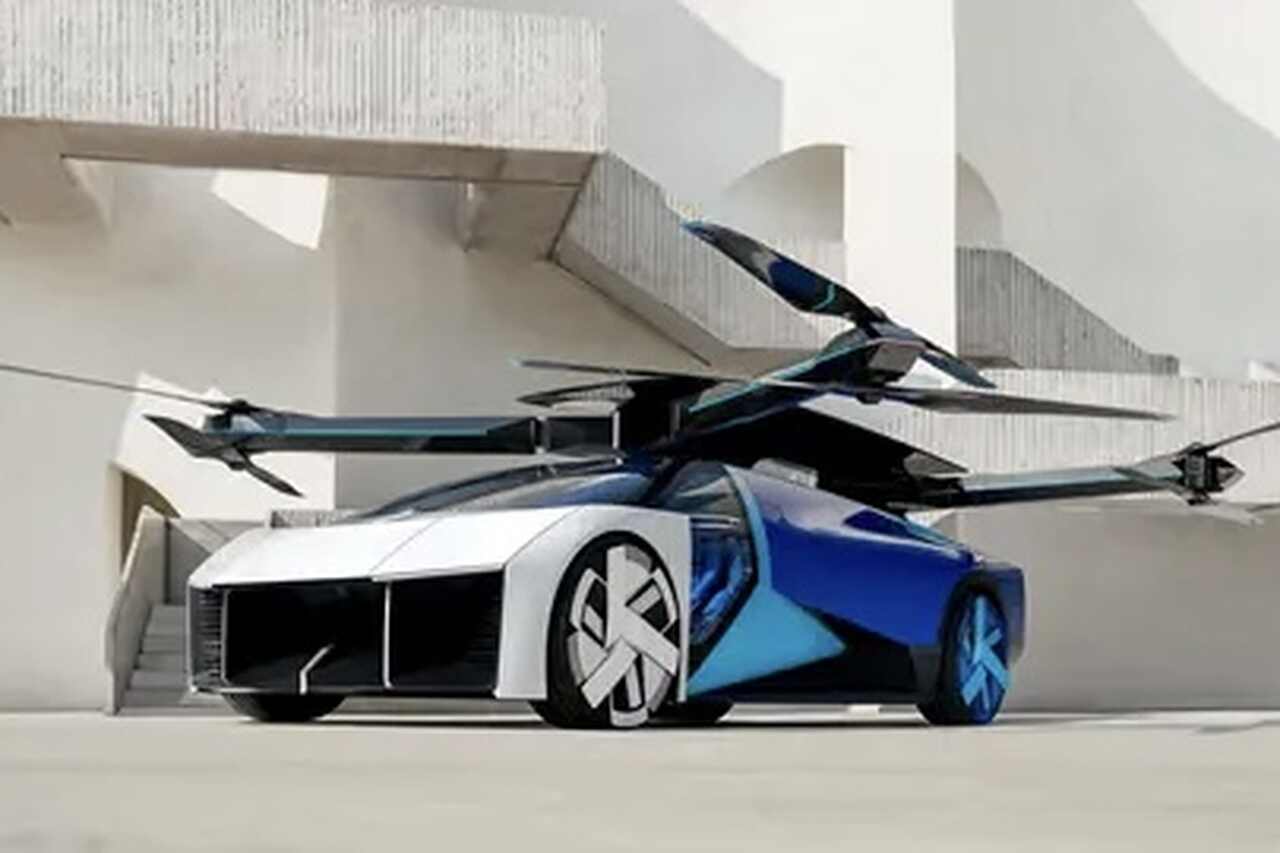
“We call this dead weight. For example, the car suspension, the large wheels… it looks cool, but it can’t support the lifting power needed for flight,” he told Car Magazine.
“Based on current battery density, it might fly for only three to five minutes. That cannot be a successful product. But that’s more for the future.”
Photos: Aridge. This content was created with the help of AI and reviewed by the editorial team.
