
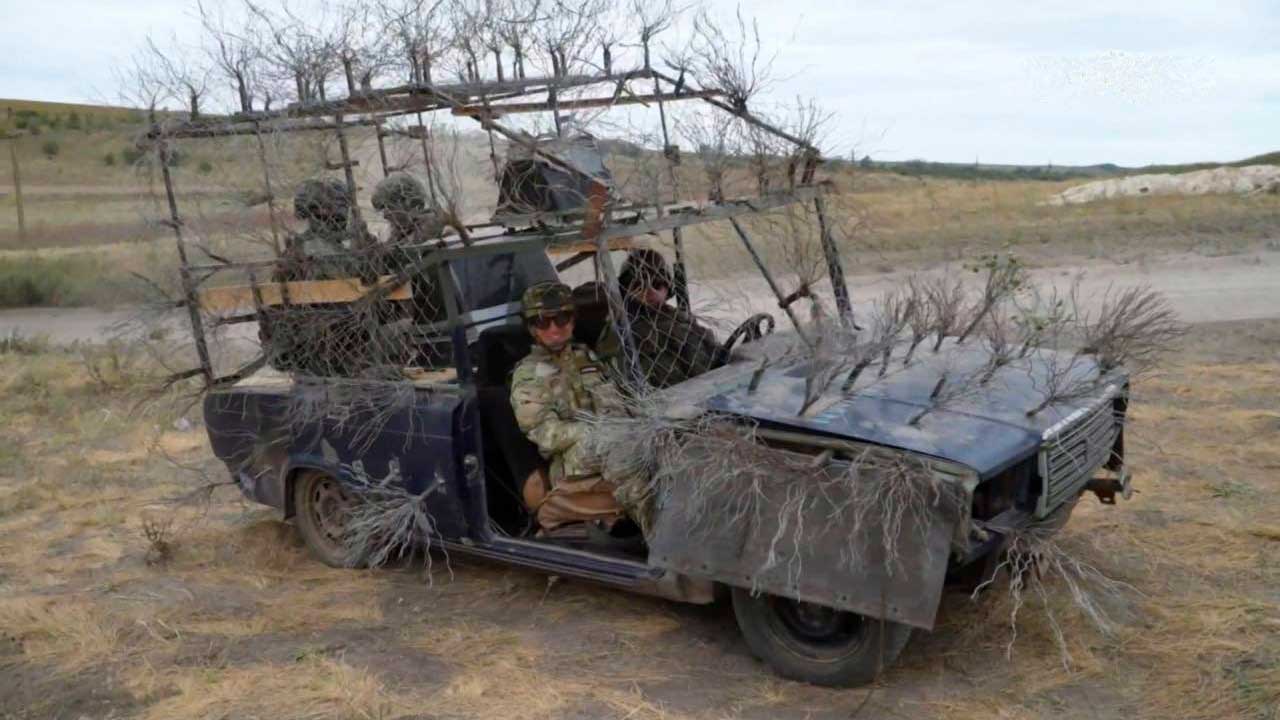
Russian assault units in Ukraine are increasingly resorting to improvisation to survive on the battlefield, modifying civilian vehicles with makeshift armor against Ukrainian FPV drone attacks.
Images and video footage show small cars crudely reinforced with welded steel rods, wire mesh, and scrap metal — a style of improvised protection nicknamed by the soldiers themselves as “lapsha” (“noodles” in Russian), due to the tangled appearance of the structures.
The adaptations drew attention for resembling the post-apocalyptic vehicles of the Mad Max franchise.
+ Hungarian Gripen Fighters Intercept Russian Aircraft Near NATO Airspace Over the Baltic Sea
Shortage of modern armored vehicles
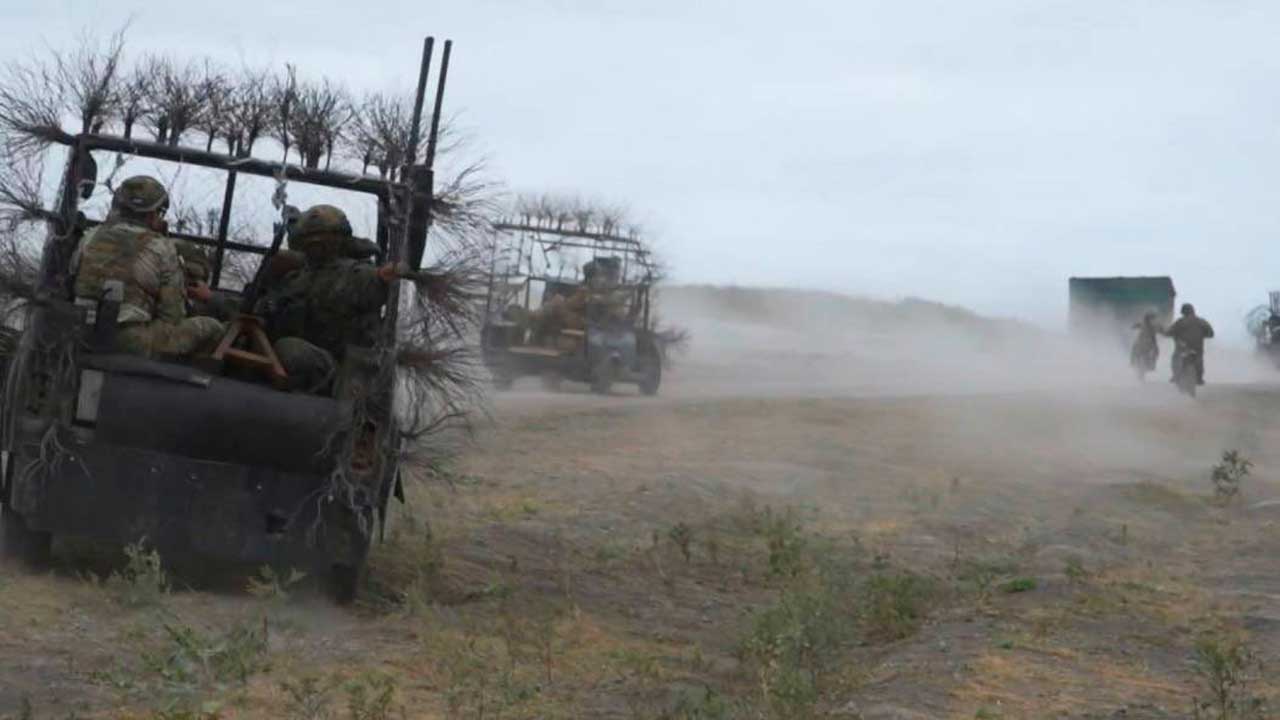
These adapted vehicles are being used by Russian assault units as an alternative to the lack of modern armored personnel carriers and infantry fighting vehicles.
Without enough equipment, troops began reusing stolen or requisitioned civilian cars, equipping them with basic protective structures to increase their chances of survival on the front lines.
The evolution of “cages” against drones
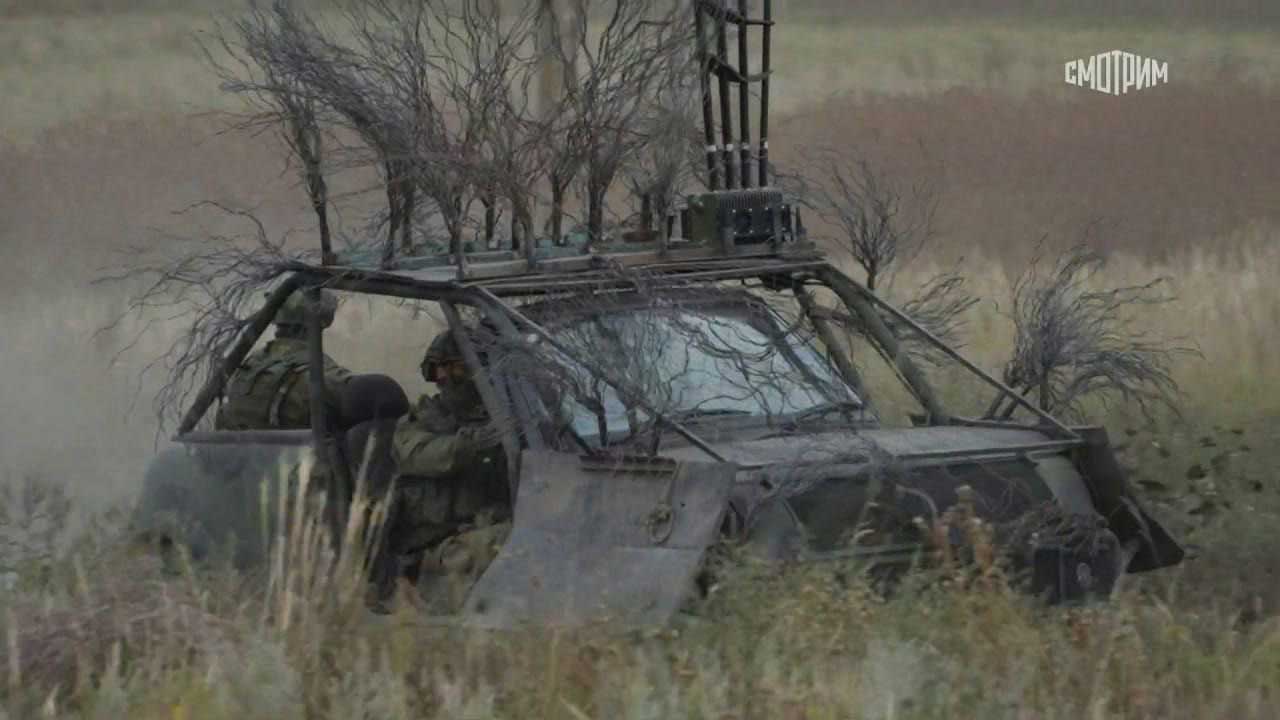
The so-called “lapsha” upgrades represent the new phase of Russia’s adaptation to the Ukrainian drone threat. Since the early months of the war, tanks and armored vehicles began receiving grills, metal mesh, and improvised protections against loitering munitions and kamikaze drones. Now, the same logic is being applied to lighter platforms, allowing even civilian vehicles to attempt some level of resistance.
The idea is simple but rudimentary: surround the car with a cage of welded rods, wires, and even branches, hoping to deflect or delay FPV drone impacts before they hit vulnerable points.
However, Ukrainian operators claim the effectiveness is limited, as drones are capable of maneuvering and striking gaps in the improvised armor — even detonating inside the vehicle’s structure.
Despite the limitations, the proliferation of these “Mad Max-style” vehicles highlights the pressure faced by Russian forces as the war enters its fourth year. Russia’s defense industry is struggling to replace losses, leaving many units poorly equipped and reliant on improvised solutions.
According to open-source analyses, since the start of the full-scale invasion, hundreds of Russian armored vehicles have been destroyed or damaged, forcing commanders to rely on improvised alternatives to maintain mobility and try to reduce casualties.
Source and images: Defence Blog | X @front_ukrainian. This content was created with the help of AI and reviewed by the editorial team.
