
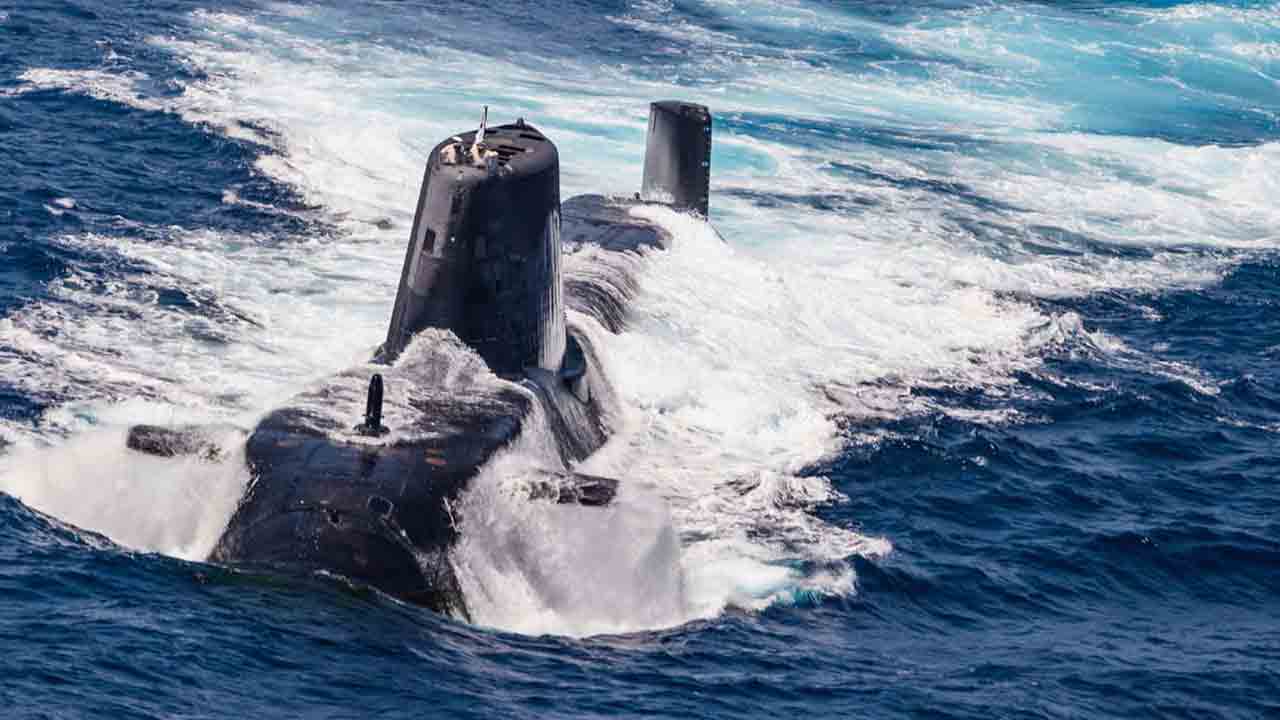
The Royal Navy of the United Kingdom has successfully conducted innovative tests of launching and recovering unmanned underwater vehicles (UUVs) from submarines, marking a strategic breakthrough in the British fleet’s capabilities.
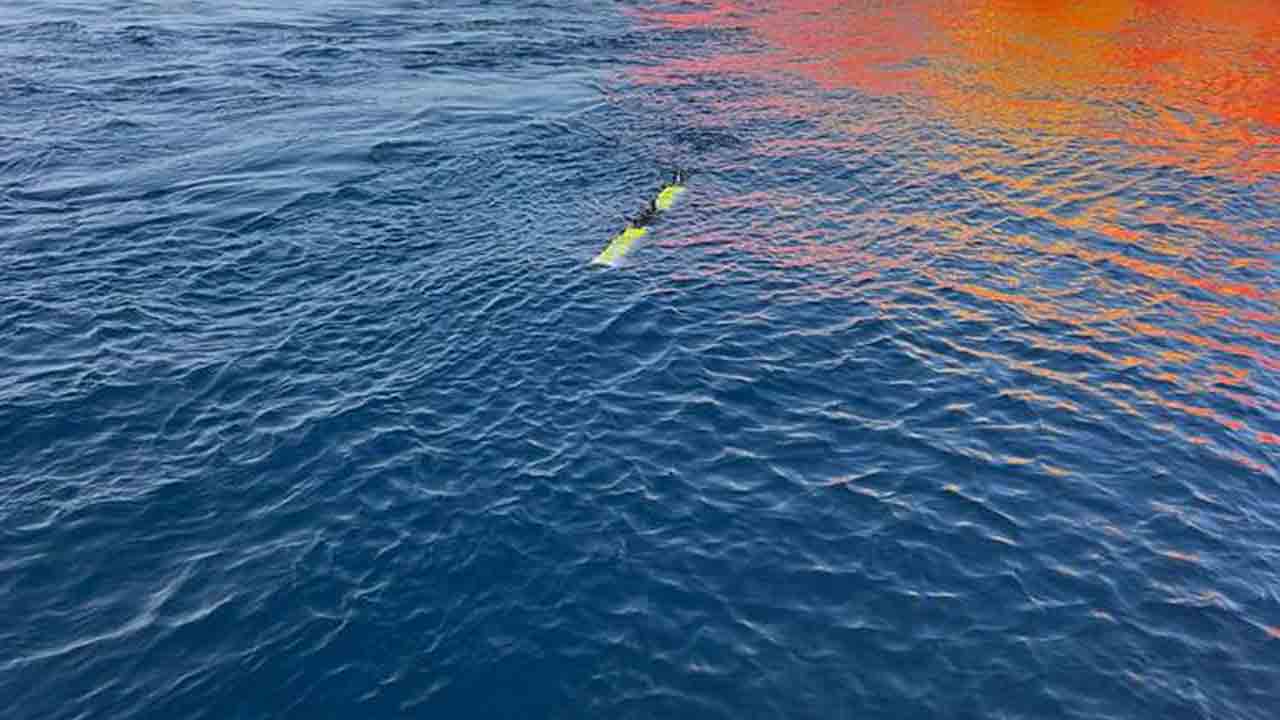
The tests, carried out in the Mediterranean Sea as part of Project Scylla, demonstrated the feasibility of launching these vehicles through torpedo tubes in nuclear-powered attack submarines. The operation is part of the AUKUS Pillar 2 initiative, an alliance aiming to develop advanced technologies to enhance security in the Indo-Pacific and Euro-Atlantic regions.
+ Russia begins adaptation of the PD-8 engine for the Be-200 amphibious aircraft
With this new capability, British submarines will gain additional support for missions involving underwater reconnaissance, submerged communications, and seabed warfare.
According to Commodore Marcus Rose, Deputy Director of Underwater Battlespace Capabilities, “the completion of these trials demonstrates our commitment to using advanced resources as part of a future hybrid fleet, and is a major step forward in delivering new capabilities to the Submarine Service.”
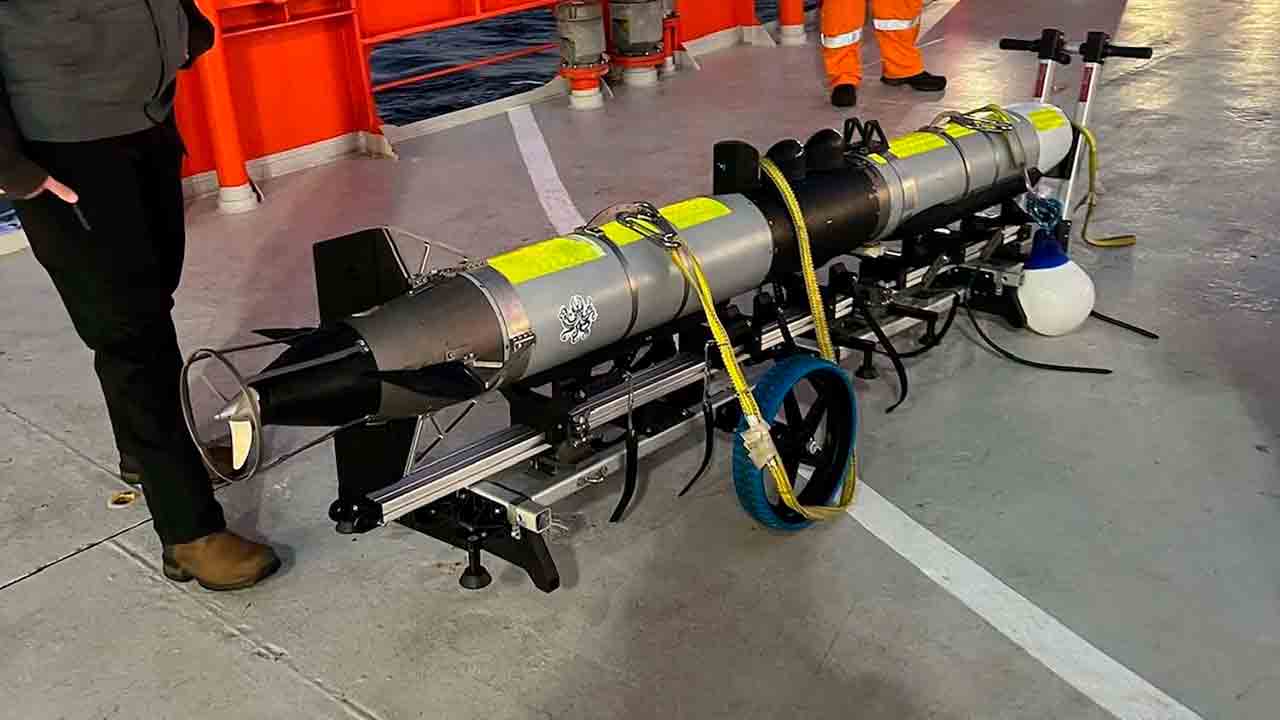
The test was conducted by the Autonomy Unit of the Submarine Delivery Agency in partnership with L3Harris, showcasing the effectiveness of international collaboration in developing new naval technologies.
As part of its strategy to establish itself as the “Bastion of the Atlantic,” the Royal Navy reaffirms its commitment to the use of autonomous systems and artificial intelligence to enhance frontline combat power.
Source and images: Royal Navy. This content was created with the help of AI and reviewed by the editorial team.
