
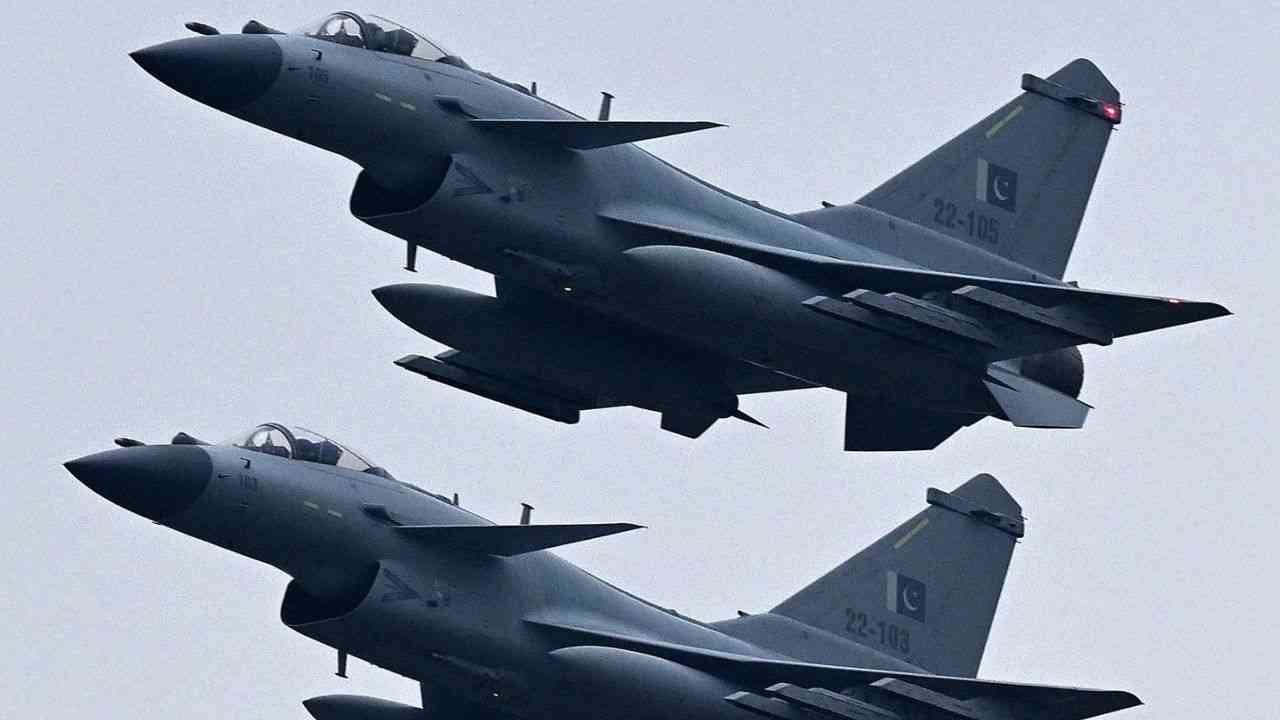
Pakistan is negotiating with China to purchase new air defense systems, including stealth fighters J-35, early warning aircraft KJ-500, and HQ-19 missiles, after considering that it achieved a significant victory against India in an aerial confrontation in May.
The goal is to strengthen its defenses and deter future Indian attacks by closing gaps exploited during the conflict.
Analysts believe this move has strategic implications, as it represents an even closer military alignment between China and Pakistan, which worries India.
Despite modernization, experts point out that merely acquiring advanced equipment does not guarantee an advantage for Pakistan, since India still has numerical superiority, more developed infrastructure, and greater strategic depth.
Pakistan’s recent success has been attributed to the effective use of Chinese systems, such as the “ABC” data communication network, which allowed coordinated operations without compromising the location of its fighters. However, the actual long-term performance of these technologies remains uncertain and depends on proper training and integration.
Pakistan’s growing reliance on Chinese military systems represents a strategic shift, simplifying the integration between aircraft, radars, and missiles, but also reducing the use of Western platforms like the F-16. This decision reflects a repositioning regarding which military ecosystem the country wishes to follow, while increasing regional tension and complicating dialogue among South Asian powers.
Experts warn that mastering modern warfare requires more than equipment; it requires preparation, efficient command, and continuous adaptation.
Source: South China Morning Post | Photo: X @MansurQr | This content was created with the help of AI and reviewed by the editorial team.
